Note: This post contains affiliate links. If you book through them, I may earn a small commission at no extra cost to you. I only recommend things I have personally used or genuinely believe in.
My relationship with Chiang Mai goes back more than a decade, but I didn’t truly understand why I loved the city until much later. Looking back, that’s because I hadn’t yet discovered the joy of slow travel here.
When I first visited in 2015, I was 29 and on my very first international trip. Like most first-time travellers, I wanted to see everything. I spent my weekends eating incredible Thai food, wandering through night markets, and enthusiastically saying yes to every experience that came my way. It was exciting, exhausting, and exactly the kind of trip I needed at the time.
These days, I experience Chiang Mai very differently. I still walk for miles, still discover new cafés and lose myself in their neighbourhoods, but I no longer feel like I have to earn my holiday by keeping busy. Over the years, Chiang Mai has become the place where even my restless mind remembers how to slow down.
That’s why I think so many people fall in love with this city. Not because there’s an endless list of things to do, but because it reminds you that travel doesn’t always have to mean doing more.
Why Chiang Mai Feels Different
I’ve often wondered why Chiang Mai feels so much more relaxing than many other cities in Thailand. It isn’t because there’s nothing to do. Between centuries-old temples, bustling markets, beautiful cafés, cooking classes, museums, and day trips into the mountains, you could fill every hour of your itinerary if you wanted to.
The difference, for me, is that Chiang Mai never makes me feel like I have to.
Part of it is the layout. The Old City is compact enough to explore on foot without losing half your day to traffic, while neighbourhoods like Nimman are made for wandering without any real plan. The mountains are never far away, there are pockets of greenery throughout, and even the busiest streets feel a little less frantic than you’d expect.
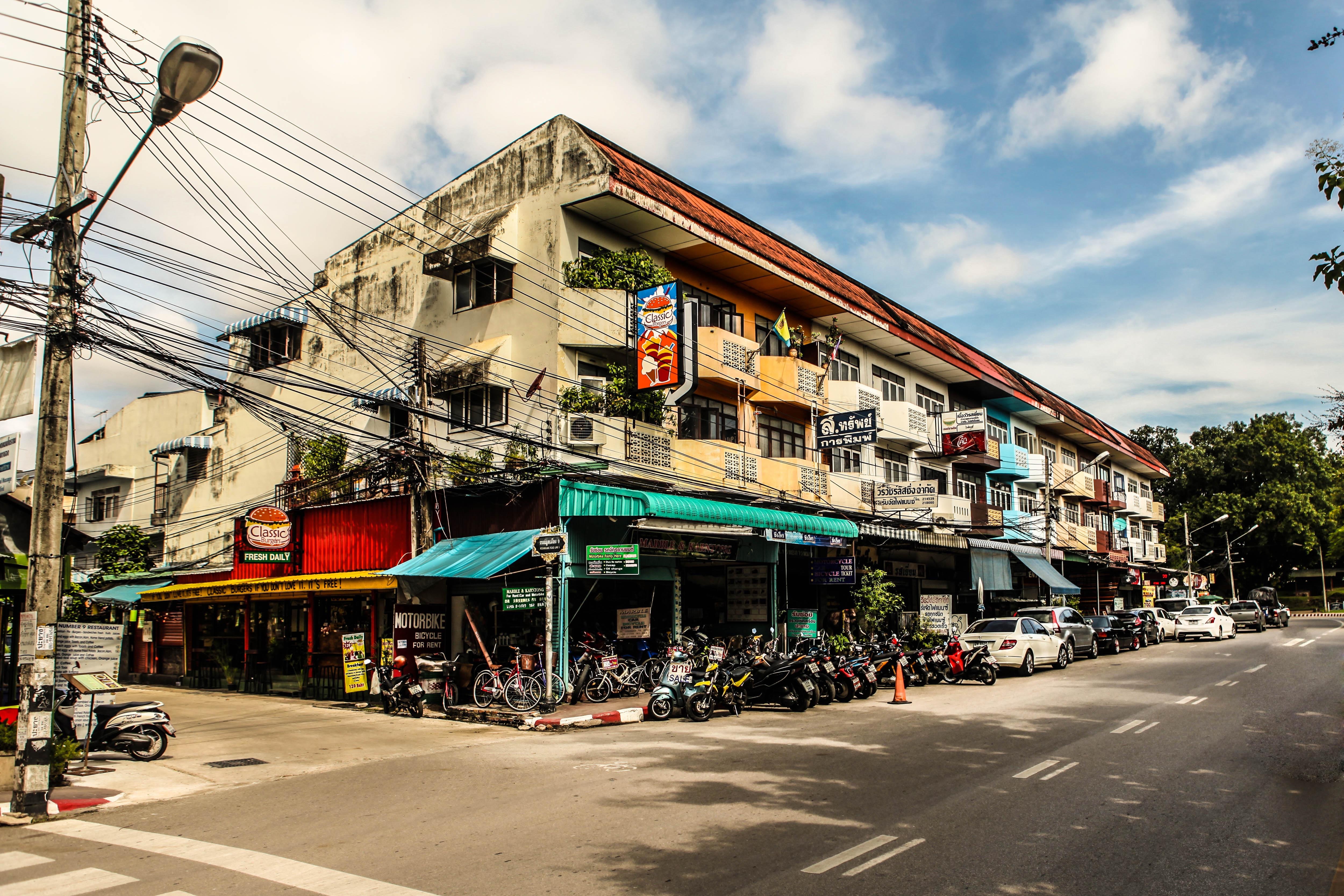
I also think Chiang Mai is one of those rare places where walking isn’t just a way to get from one attraction to another. It becomes part of the experience. Some of my favourite memories here aren’t tied to famous landmarks at all. They’re the moments in between: an interesting bookstore I wasn’t looking for, temple bells drifting across a quiet street, a tiny café that wasn’t on my map five minutes earlier.
If you’re the kind of traveller who likes collecting experiences, you’ll probably have a great time here too. But if you secretly enjoy slow mornings, aimless walks, and afternoons that don’t go according to plan, you’ll understand exactly why so many people end up extending their stay.
👉 Must read: Hidden Bangkok: A 72-Hour Guide to the Old City
A City Shaped by a Different History
I don’t think it’s a coincidence that Chiang Mai feels so different from the rest of Thailand. Before Bangkok became the capital we know today, Chiang Mai was the heart of the ancient Lanna Kingdom, founded in the late 13th century. Even now, more than 700 years later, that history still shapes how the city feels.
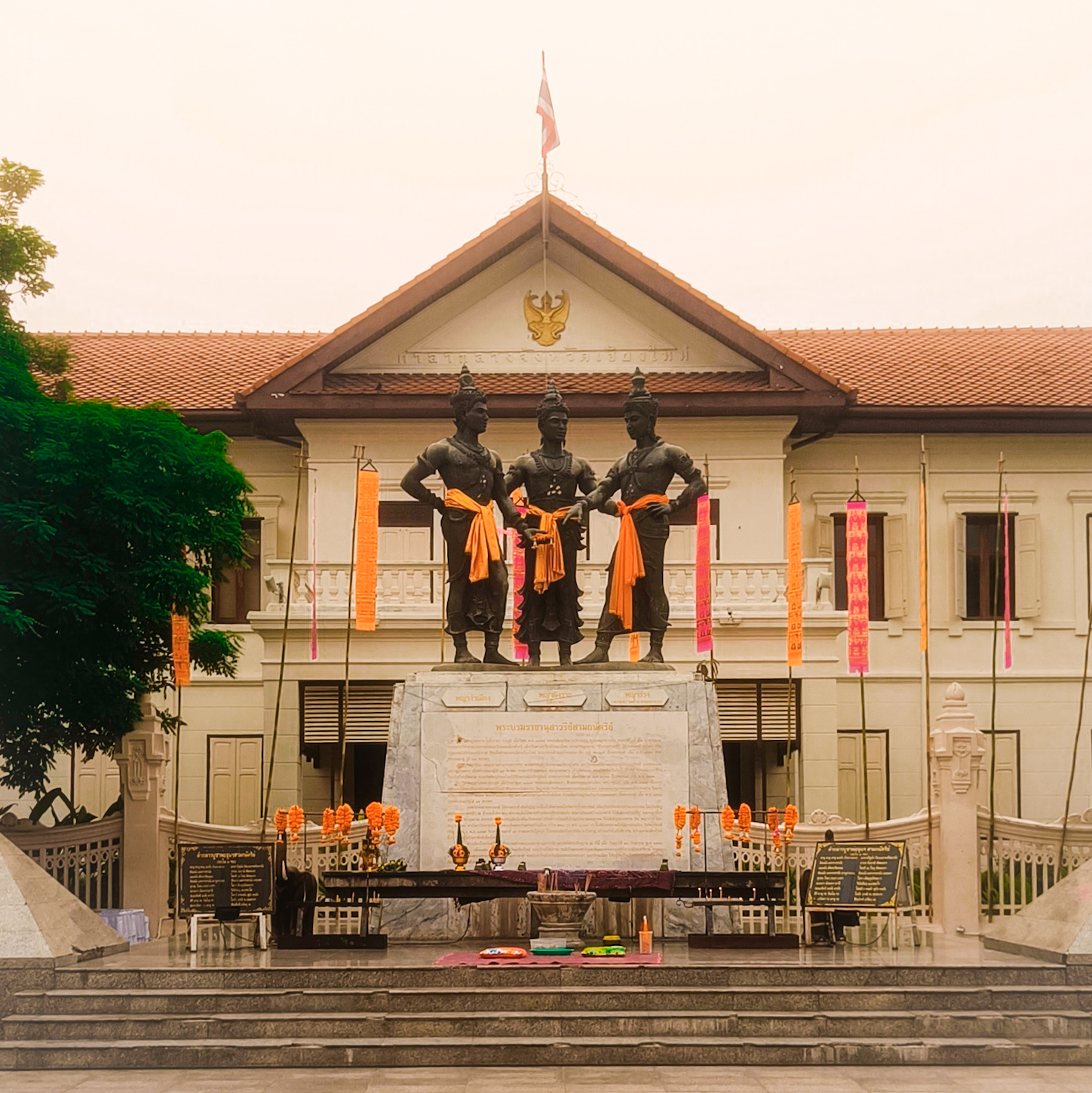
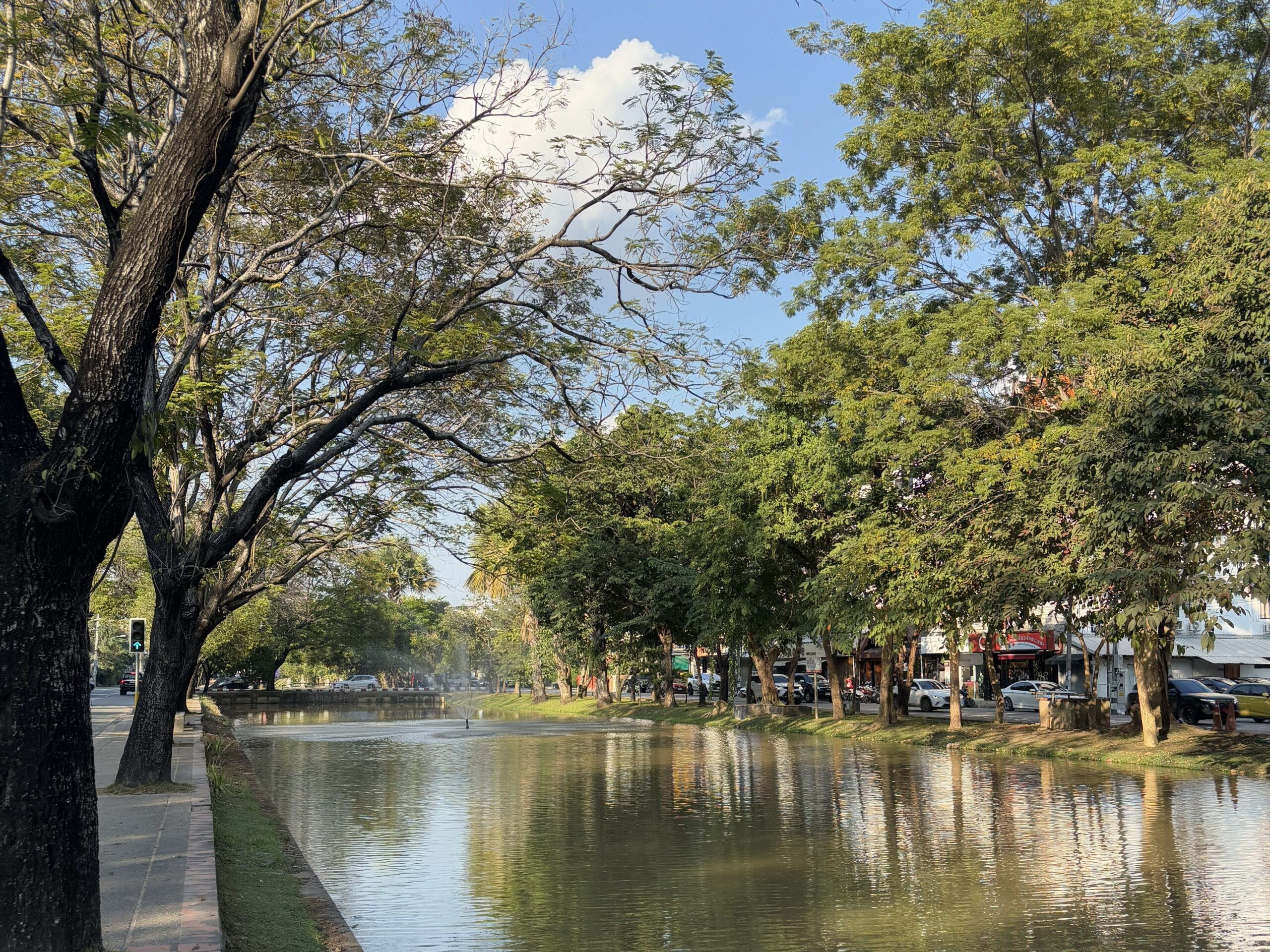
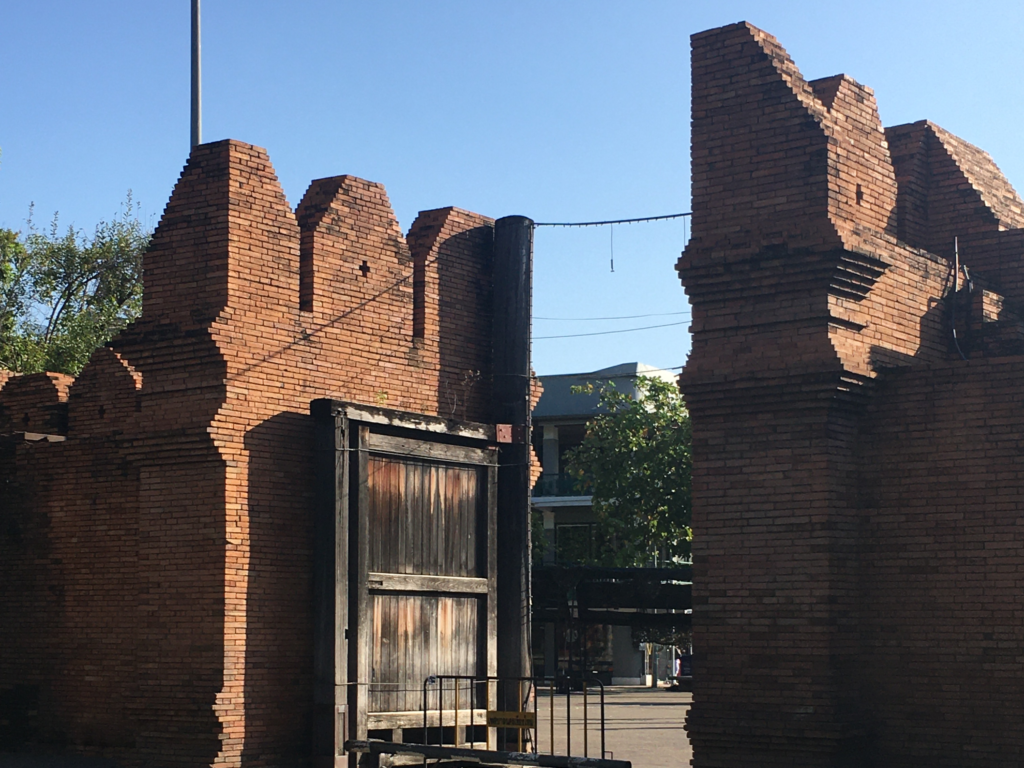
You can see it almost everywhere. The Old City is still enclosed by sections of its original brick walls and moat, over 300 Buddhist temples are scattered across the city, and traditional wooden houses sit beside trendy cafés and boutique hotels. The old hasn’t been replaced by the new. They sit next to each other instead.
Geography plays its part too. Surrounded by mountains, Chiang Mai feels naturally more relaxed than many of Thailand’s larger cities. Even on busy days, it’s surprisingly easy to find a quiet temple courtyard, a leafy side street, or a café where the only decision is whether to order another coffee.
That’s part of why slow travel works so well here. The city wasn’t built to be rushed through. The streets inside the Old City invite you to walk rather than drive, temple courtyards offer a pocket of calm when the afternoon heat gets to be too much, and even the busiest neighbourhoods move at a gentler pace than you’d expect.
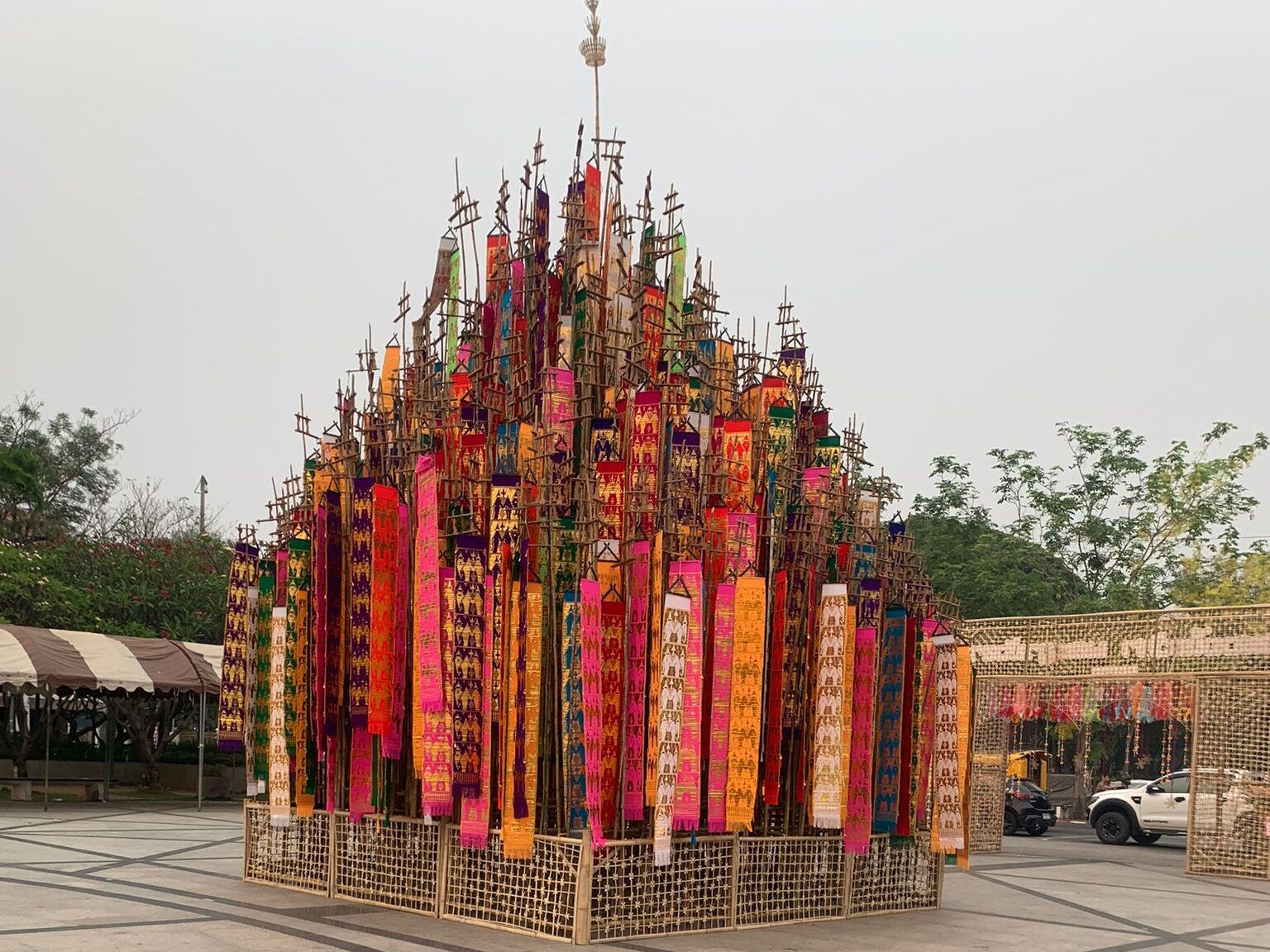
Of course, Chiang Mai has changed. It’s now one of Thailand’s most visited cities, and you’ll find everything from stylish cafés and co-working spaces to bustling night markets and modern malls. But despite the growth, it has held onto something that’s becoming rare: a sense that life doesn’t always have to move at full speed.
I think that’s the feeling people are really talking about when they say they love Chiang Mai. Not just the temples or the food, but a city that lets you wander without a plan and trust you’ll find something worth remembering anyway.
Explore Chiang Mai One Neighbourhood at a Time
One of the things I love most about Chiang Mai is that it doesn’t feel like a city you have to conquer. Instead of rushing from one famous attraction to the next, it’s far more rewarding to explore it one neighbourhood at a time.
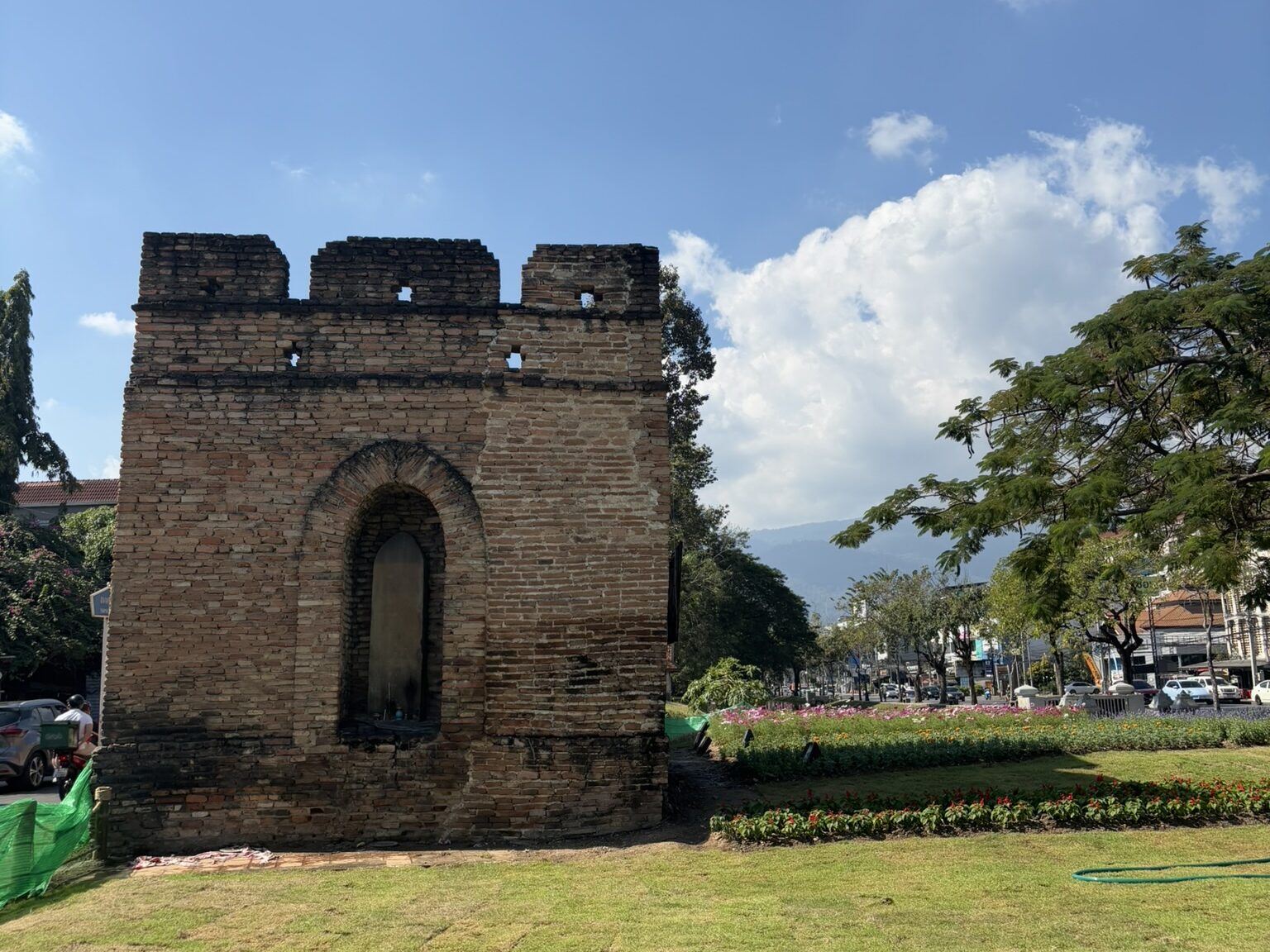
Start with the Old City. Surrounded by remnants of the ancient walls and moat, it’s the historic heart of Chiang Mai and the neighbourhood that captures its personality best. You can spend hours here without a plan, wandering down quiet lanes, stumbling across centuries-old temples, browsing tiny shops, or stopping for an iced coffee whenever your feet tell you it’s time for a break. The attractions are worth visiting, but it’s usually the moments in between that stay with you.
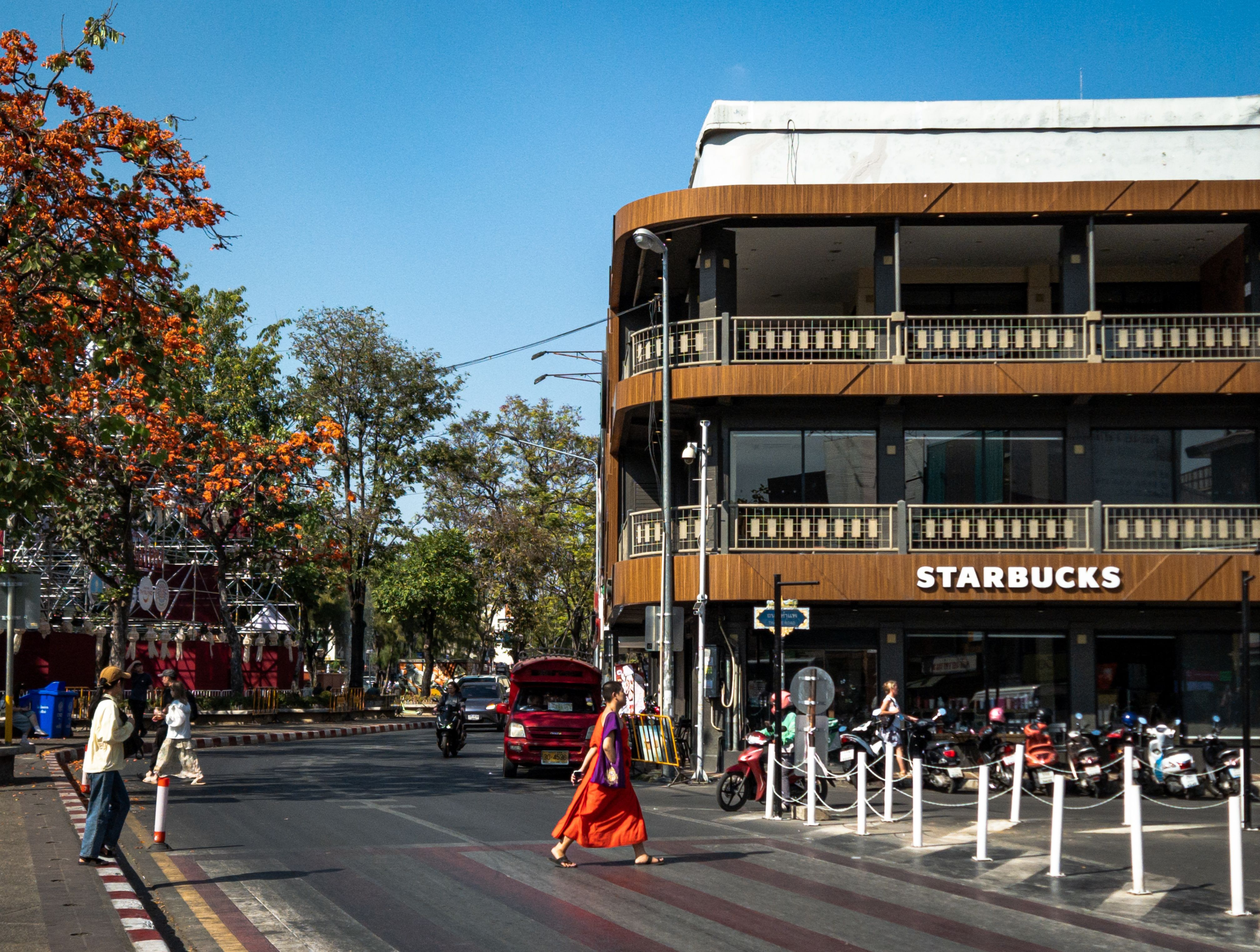
Nimman, on the other hand, feels like Chiang Mai’s younger, trendier sibling. It’s full of cafés, independent boutiques, bookstores, and restaurants, but somehow avoids feeling rushed or pretentious. I rarely arrive here with a list. More often, I just wander until something catches my eye: a café tucked behind a row of trees, a beautifully curated homeware shop, a bakery that smells too good to walk past. Some of my favourite afternoons in Chiang Mai have looked exactly like that, and I couldn’t tell you a single “major attraction” I visited that day.
That’s probably my biggest piece of advice for a first visit. Don’t think of Chiang Mai as a list of attractions. Think of it as a collection of neighbourhoods, each with its own rhythm. Pick one, spend a few hours there, and let yourself wander. You might not tick off as many landmarks, but you’ll likely remember the atmosphere far more than the itinerary.
My Favourite Ways to Slow Travel Through Chiang Mai
If a friend told me they had a few days in Chiang Mai and wanted to experience the city rather than tick off its biggest attractions, this is roughly how I’d tell them to spend their time. Not because it’s the right way to see Chiang Mai, but because it’s the way I’ve gradually learned to enjoy it.
Take the train (or even the bus if you are on a budget) instead of flying.
I know flying is quicker, and if you’re pressed for time, that makes sense. But if your schedule allows, the train from Bangkok to Chiang Mai is one of the nicest ways to arrive in the city.
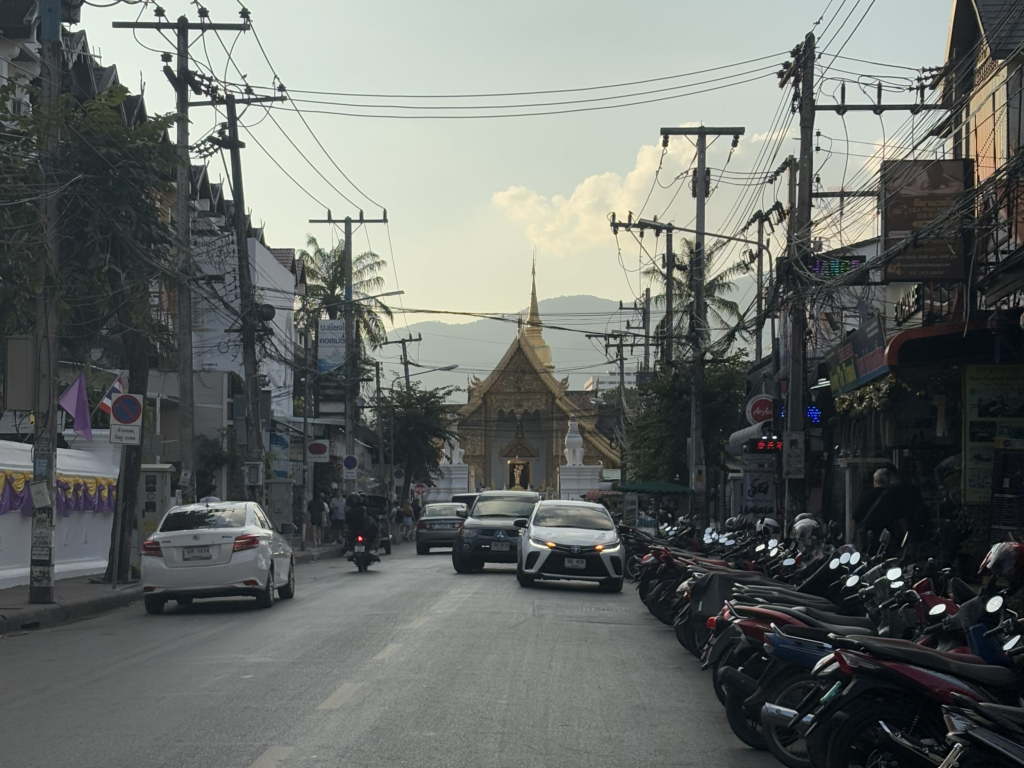
There’s something genuinely relaxing about settling into your seat, watching Bangkok disappear behind you, and watching the landscape change as you head north. Apartment buildings give way to rice fields, small railway stations, grazing buffaloes, and villages where everyday life carries on without much notice of the train passing through.
By the time you arrive the following morning, you’ve already spent half a day slowing down without really trying. It’s a gentler introduction to northern Thailand than stepping off a plane, and for me, it’s become part of the experience rather than just a way of getting there.
Let mornings be slow instead of rushed.
One of my favourite things about this city is how peaceful it feels before the streets get busy. Find somewhere for breakfast, order a good cup of coffee, and let yourself linger. Afterwards, head out for a walk through the Old City without worrying too much about where you’re going.
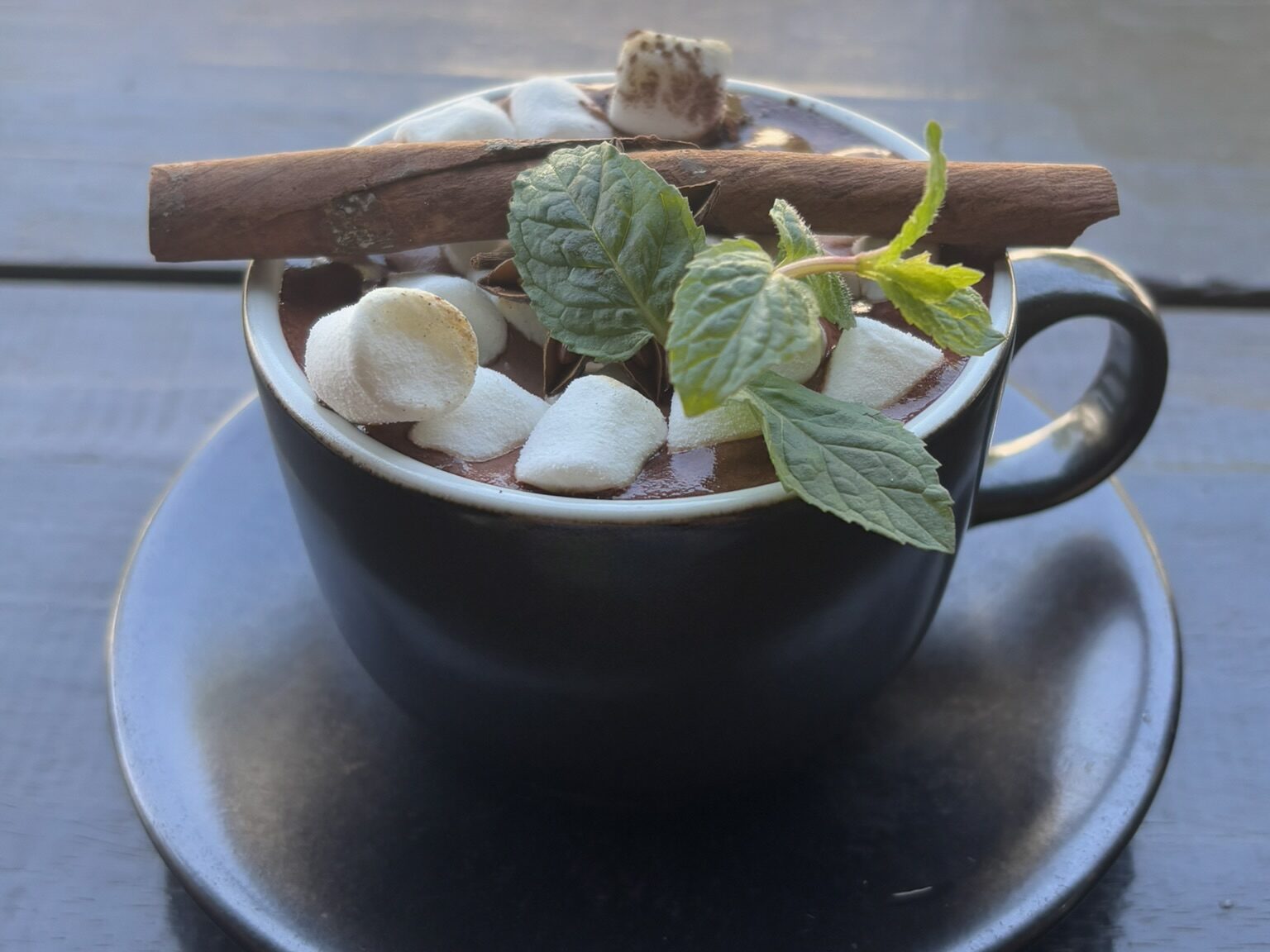
You’ll probably hear temple bells before you see the temples themselves. You might pass monks sweeping temple grounds, flower stalls setting up for the day, or neighbourhood cafés slowly filling with locals and travellers doing exactly what you’re doing: taking their time.
Some of the best hours I’ve spent in Chiang Mai have been before ten in the morning, when nothing particularly exciting was happening, and everything still felt memorable.
Choose a few temples that invite you to stay, rather than trying to see them all.
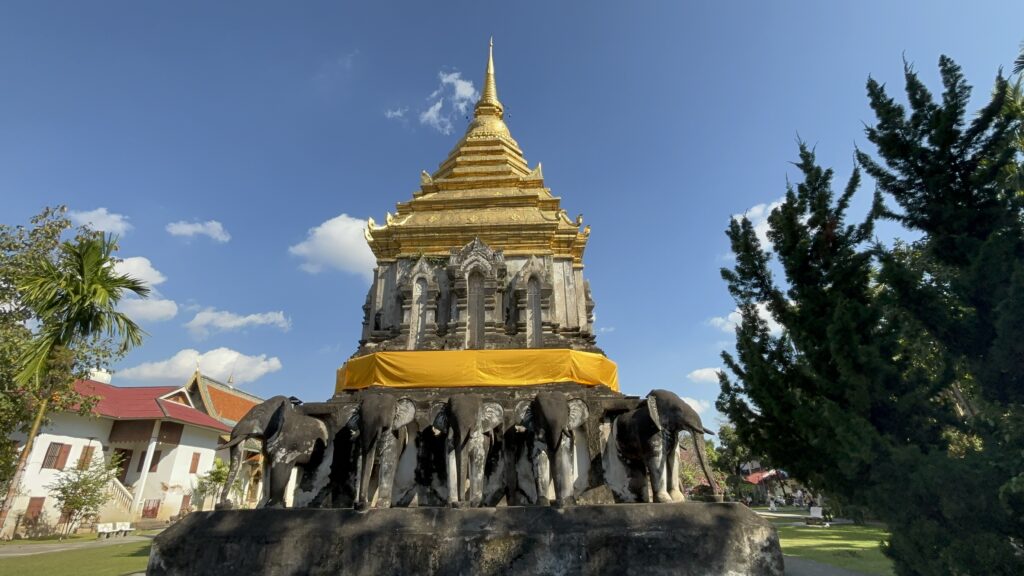
If it’s your first visit, places like Wat Phra Singh, Wat Chedi Luang, and Wat Chiang Man deserve a spot on your itinerary. They’re some of Chiang Mai’s most beautiful and historically significant temples for good reason.
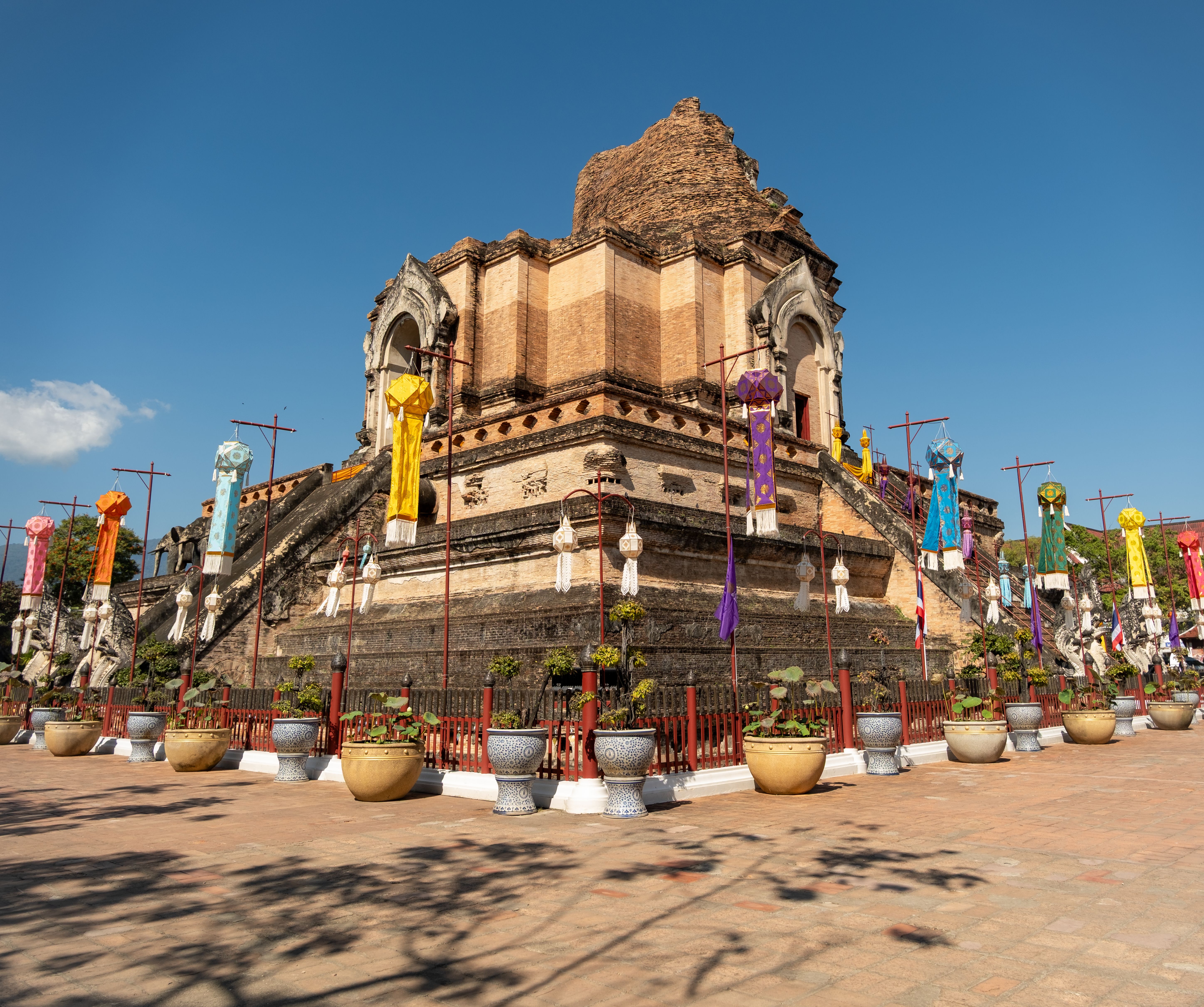
If you’re visiting Wat Chedi Luang, check whether the Monk Chat programme is running. It’s a chance to have an informal conversation with local monks, learn a little about Buddhism and everyday life in Thailand, and give them a chance to practise their English.
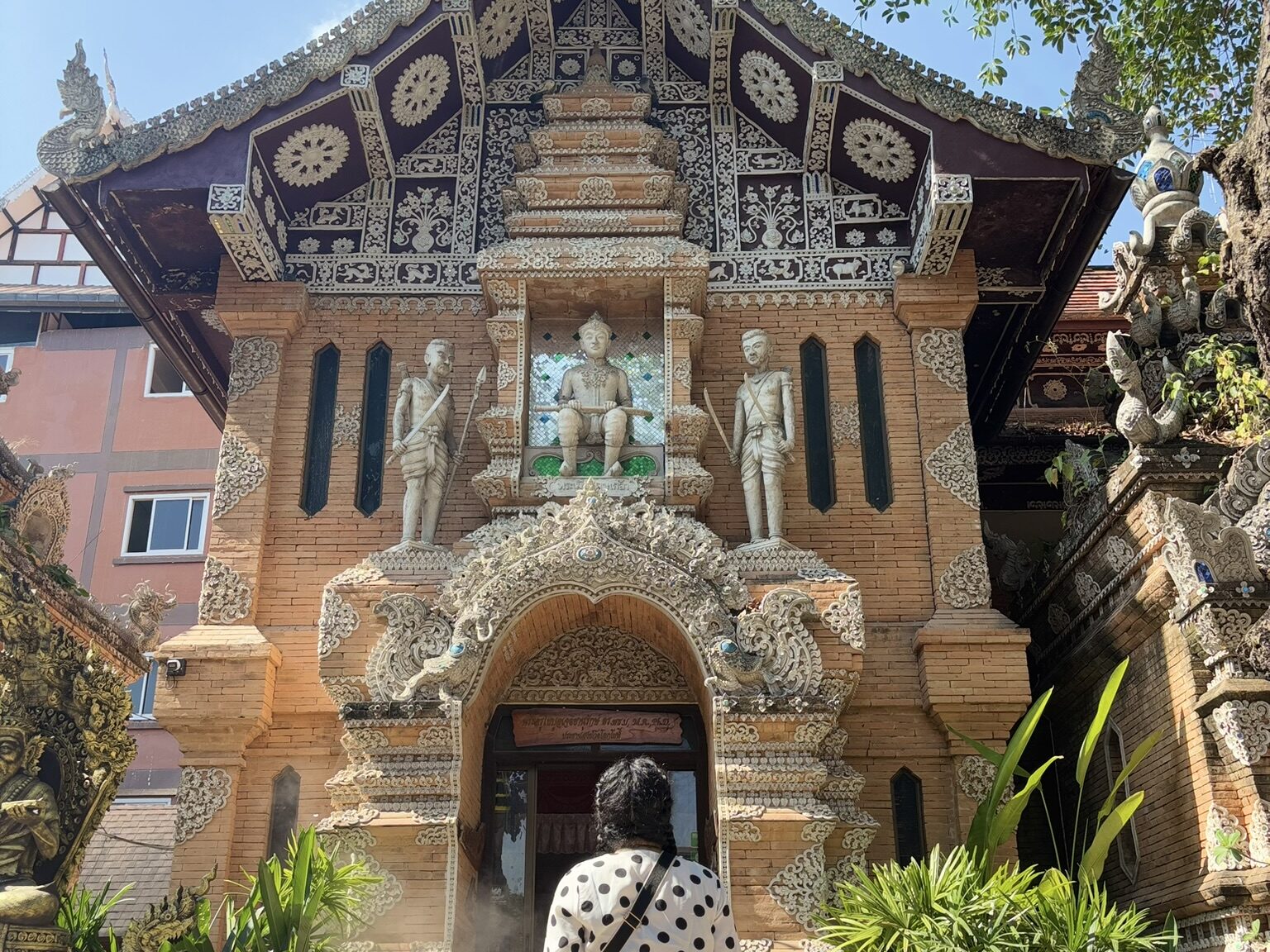
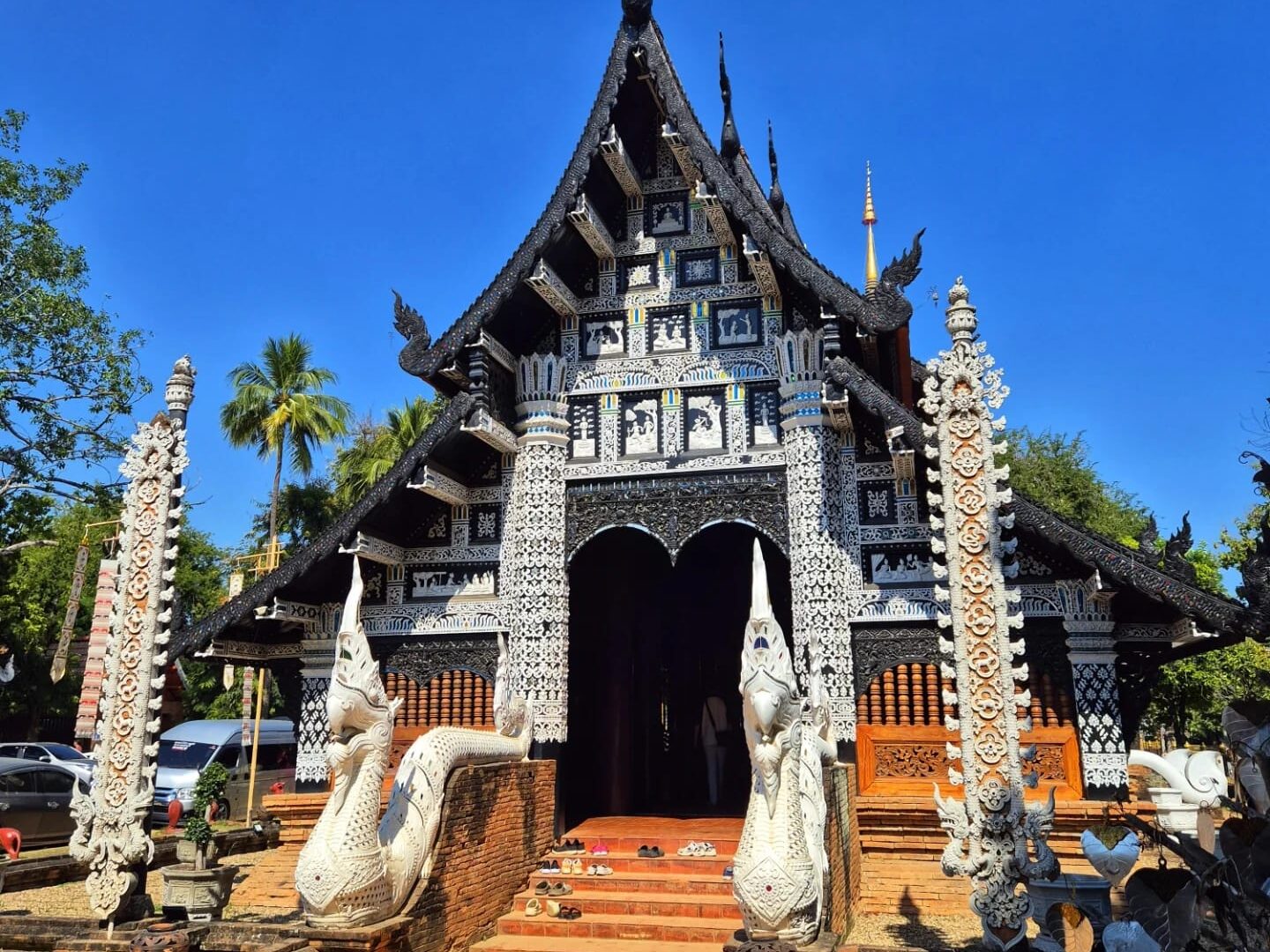
Balance the bigger temples with something quieter. Wat Lok Moli is one I keep finding myself drawn back to. Sitting just outside the northern gate of the Old City, it has a beautiful old brick chedi, an intricate wooden viharn, and gardens that seem to slow your pace down without trying. If you’re happy venturing a little further, Wat Umong and Wat Pha Lat are equally rewarding. Both are surrounded by nature, both feel noticeably calmer than the busier temples, and both are places where it feels natural to sit quietly for a while before moving on.
Find one café you’d happily spend half the day in, rather than chasing every “Instagrammable” one.
Chiang Mai has no shortage of beautiful cafés, and you’ll find countless lists ranking the “best” ones online. I don’t think that’s really the point.
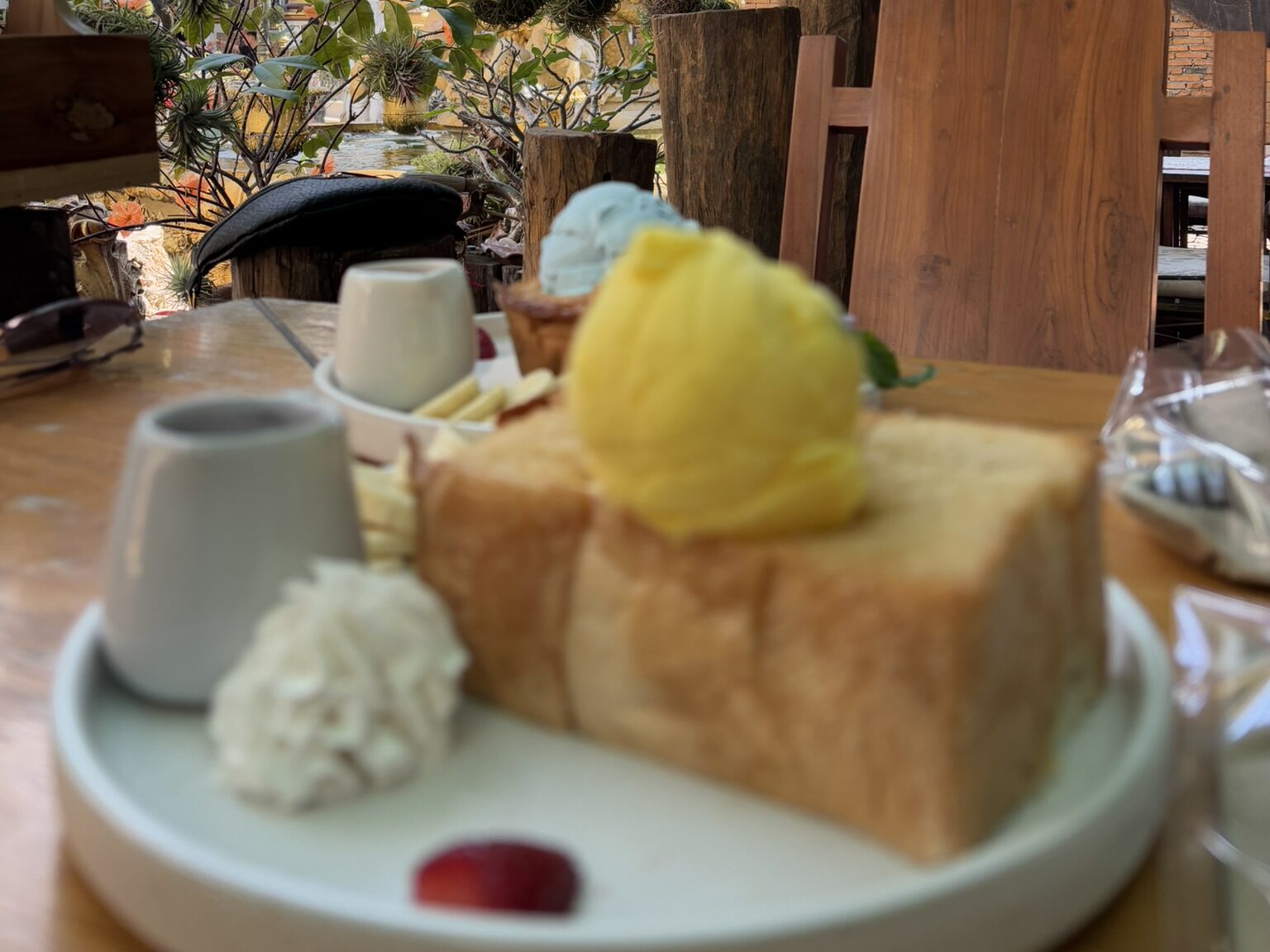
On some trips I find myself returning to Fahtara for breakfast because of its peaceful garden setting. Other times it’s Versailles de Flore, Chom Café, or Mars, depending entirely on my mood that day. None of them are places I visit because I feel like I should. They’re simply places I enjoy spending time.
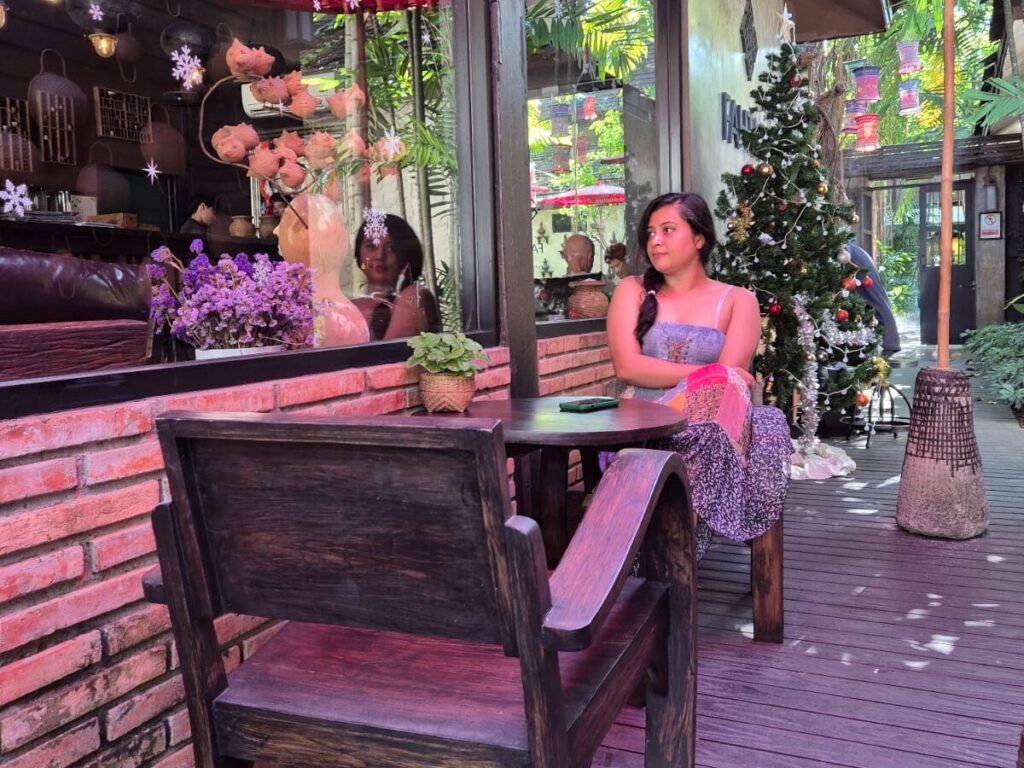
One of the things I love most about Chiang Mai’s café culture is that nobody seems to mind if you order one coffee and stay for two hours. Bring a book. Write in your journal. Catch up on travel planning. Or just sit there watching scooters, cyclists, and everyday life drift past outside.
Skip the malls for something more creative.
One place I keep recommending to friends is Baan Kang Wat. Tucked away at the foot of Doi Suthep, this little artists’ village is filled with ceramic studios, independent bookshops, galleries, handmade craft stores, and cosy cafés.
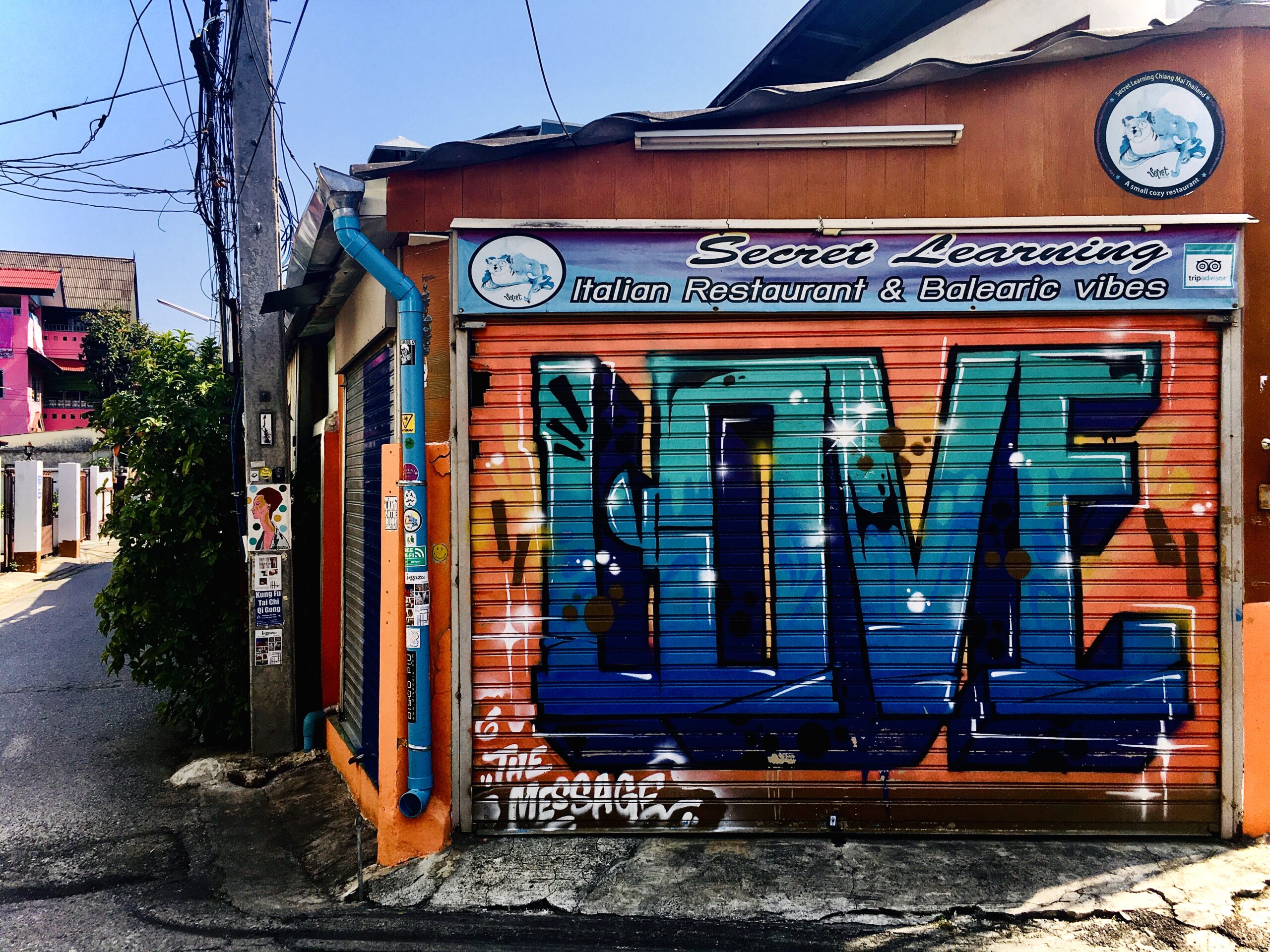
I never really visit with a plan. I usually wander into whichever shop catches my eye, stop for a coffee somewhere along the way, and somehow end up spending half the afternoon there. It’s one of those places that reminds me not every memorable afternoon needs to revolve around ticking off another attraction.
See where the locals go when they have a few hours to themselves.
Whenever I want a break from sightseeing, I usually end up at either Suan Buak Hat Park or Ang Kaew Reservoir inside Chiang Mai University.
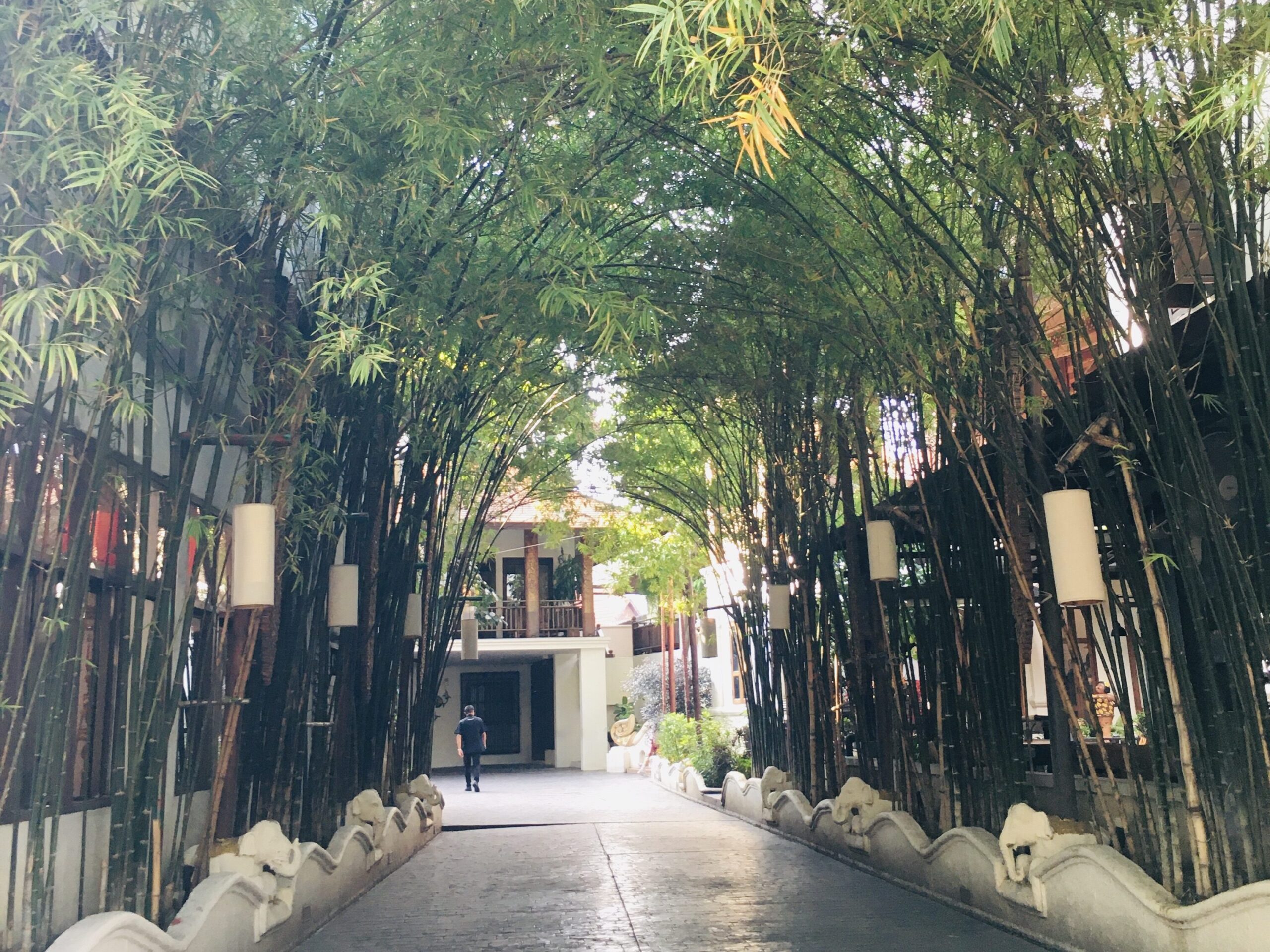
If you’re an early riser, head to Suan Buak Hat just after sunrise. You’ll find locals walking laps, stretching beneath the trees, practising tai chi, meeting friends for a chat, or rolling out yoga mats before the day gets too hot. Grab a coffee, find a quiet bench, and watch the city wake up.
Later in the day, Ang Kaew Reservoir has a completely different atmosphere. Students, joggers, cyclists, and families gather around the lake, especially towards sunset, and it’s one of my favourite places to spend an hour doing absolutely nothing in particular.
Look beyond the Walking Street markets too.
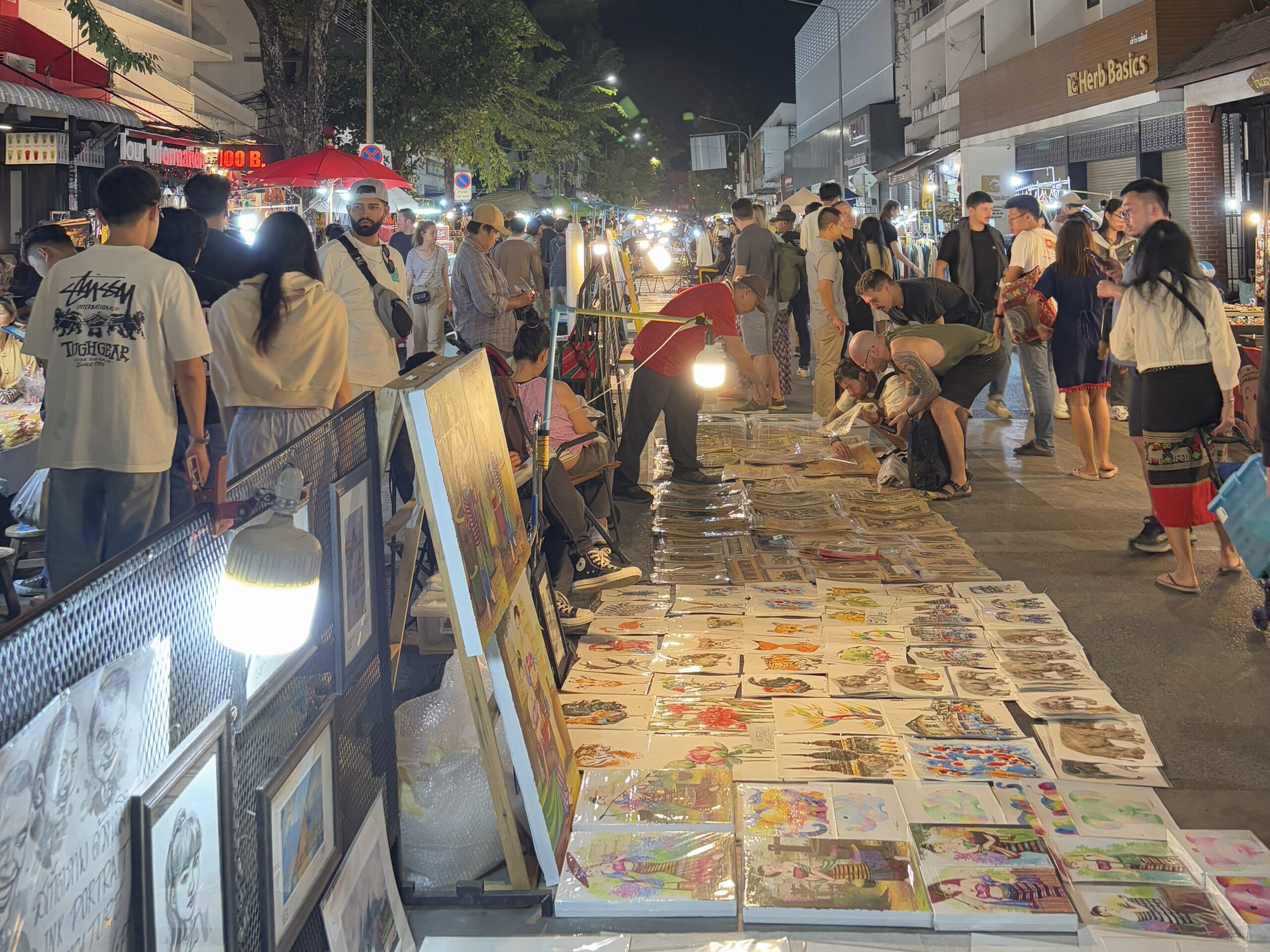
Don’t get me wrong, I still visit the Night Bazaar and the Sunday Walking Street Market whenever I’m in town. They’re popular for a reason, and I’d recommend both, especially for a first visit.
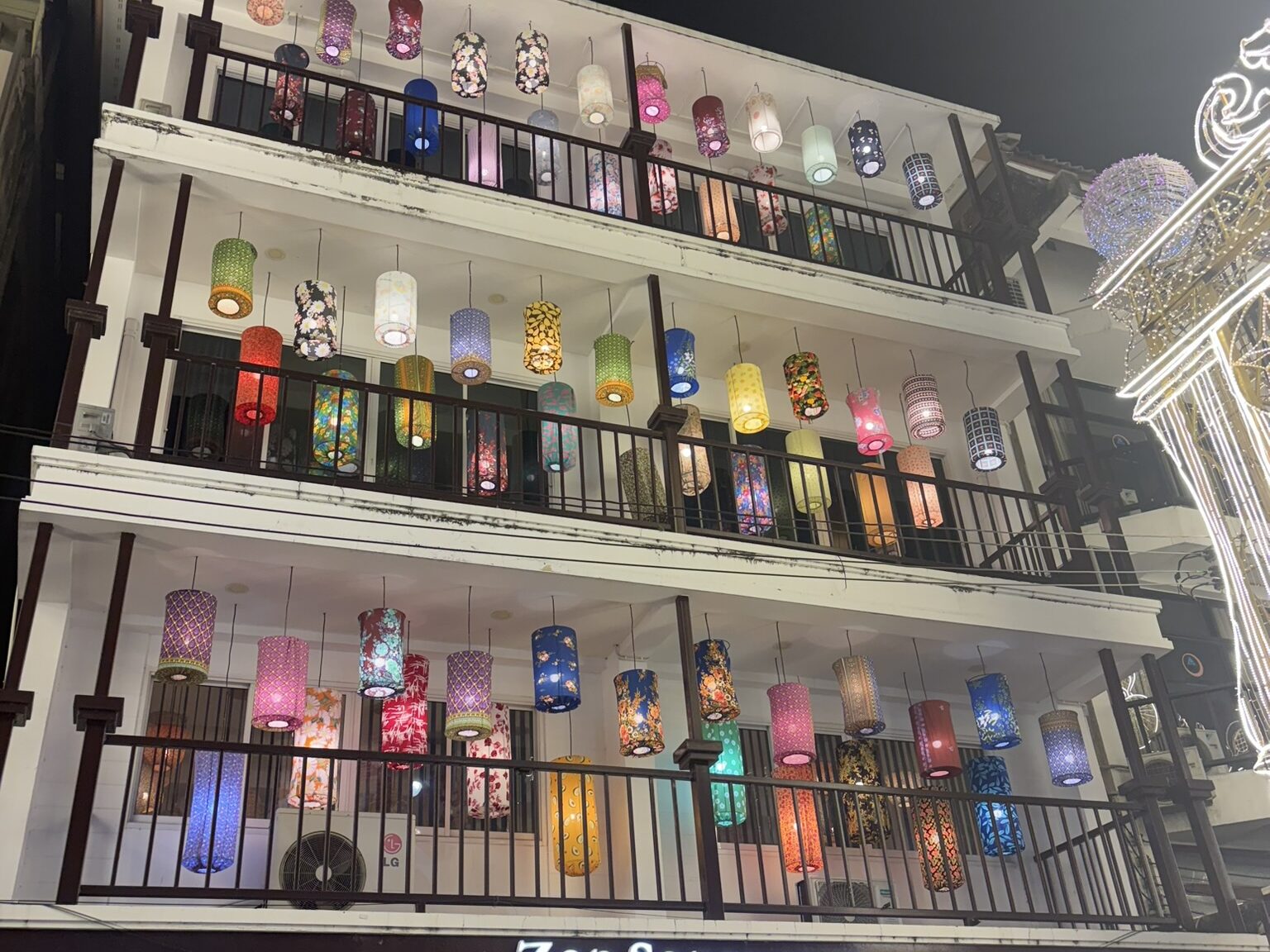
But if you’ve got a few days, it’s worth exploring beyond the obvious. Jing Jai Market is one of my favourites for its relaxed atmosphere, local designers, and excellent food. If you’re more interested in local life than souvenir shopping, spend a morning wandering through Warorot Market (Kad Luang), Chiang Mai’s oldest market. You’ll find northern Thai sausages sizzling on grills, local tea, fresh flowers, spices, traditional textiles, and people going about their everyday shopping. It feels genuinely authentic.
The Chiang Mai University Night Market is another favourite when I want an inexpensive dinner and a more local atmosphere. And if your dates line up, keep an eye out for the White Market or Coconut Market too. They’re smaller, more relaxed, and a nice change of pace.
For the evenings, live music over a big night out.
Not going to lie, Zoe in Yellow is practically a rite of passage for backpackers visiting Chiang Mai, and I have plenty of good memories there from my twenties. If it’s your first visit, it’s worth seeing at least once just to experience the atmosphere.
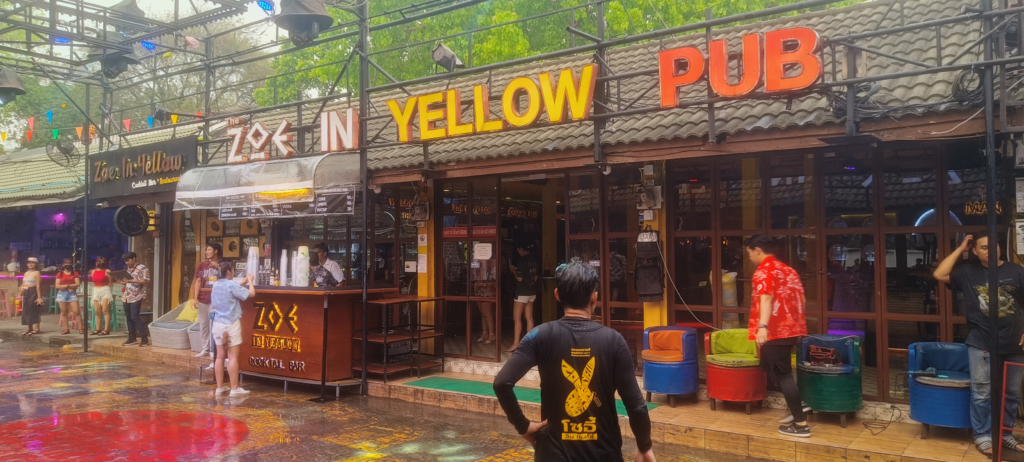
These days, though, you’ll usually find me at a jazz bar like North Gate Jazz Co-op, or a live music venue where the music is good, conversation is still possible, and I don’t have to yell at the bartender just to order a bottle of water.
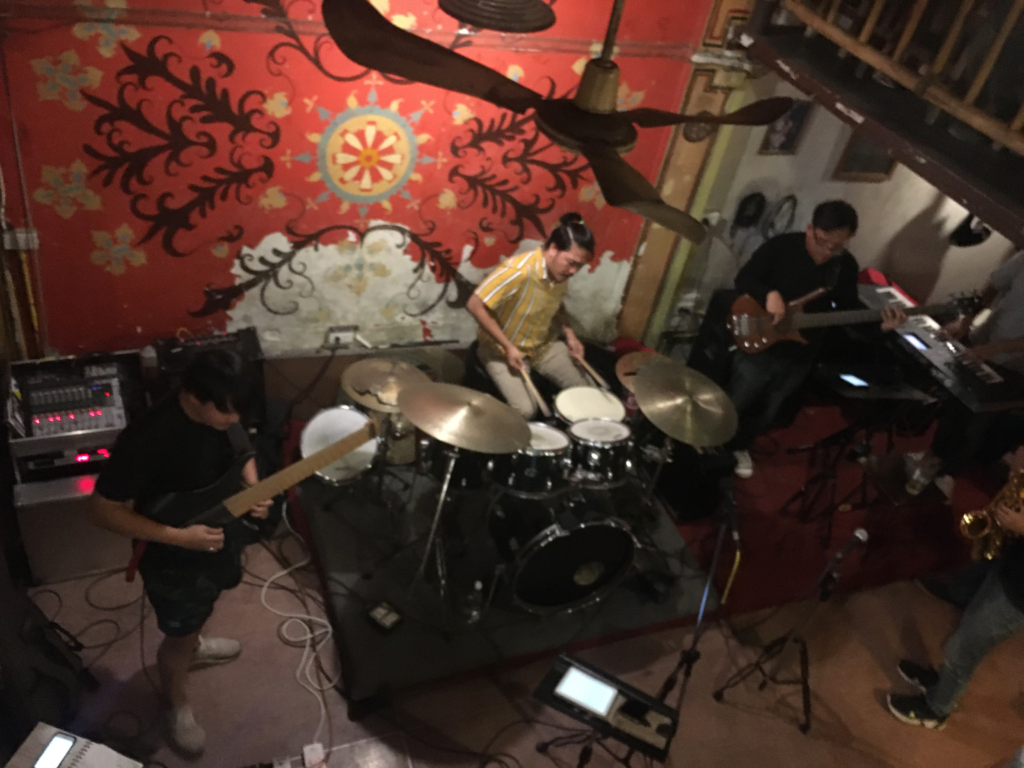
I’ve watched North Gate Jazz Co-op change quite a bit over the past 11 years. What started as a tiny, no-frills jazz bar has gradually expanded with additional floors, a larger performance space, and even a small merch corner. People still spill out onto the pavement because there’s never quite enough room inside. Local musicians still come together for spontaneous jam sessions, and the audience is just as likely to be Chiang Mai residents as travellers passing through. It still feels like a place people show up to because they genuinely love live music, not because it’s the place to be seen.
👉 Must read: Is Thailand Worth Visiting in 2026 For Non-Party People?
See elephants somewhere they’re simply allowed to be elephants.
If seeing elephants is high on your Thailand wish list, choose an ethical sanctuary rather than anywhere that offers rides or performances. Elephant Nature Park, just outside Chiang Mai, has become one of Thailand’s best-known rescue centres, providing a home for elephants rescued from logging camps, riding camps, and other forms of exploitation.
Instead of watching them perform, you’ll learn about their individual stories, help prepare their food, and watch them behave naturally. It’s a far more meaningful experience, and one that leaves you with a much deeper appreciation for these animals.
Skip the luxury spa for something slower and more local.
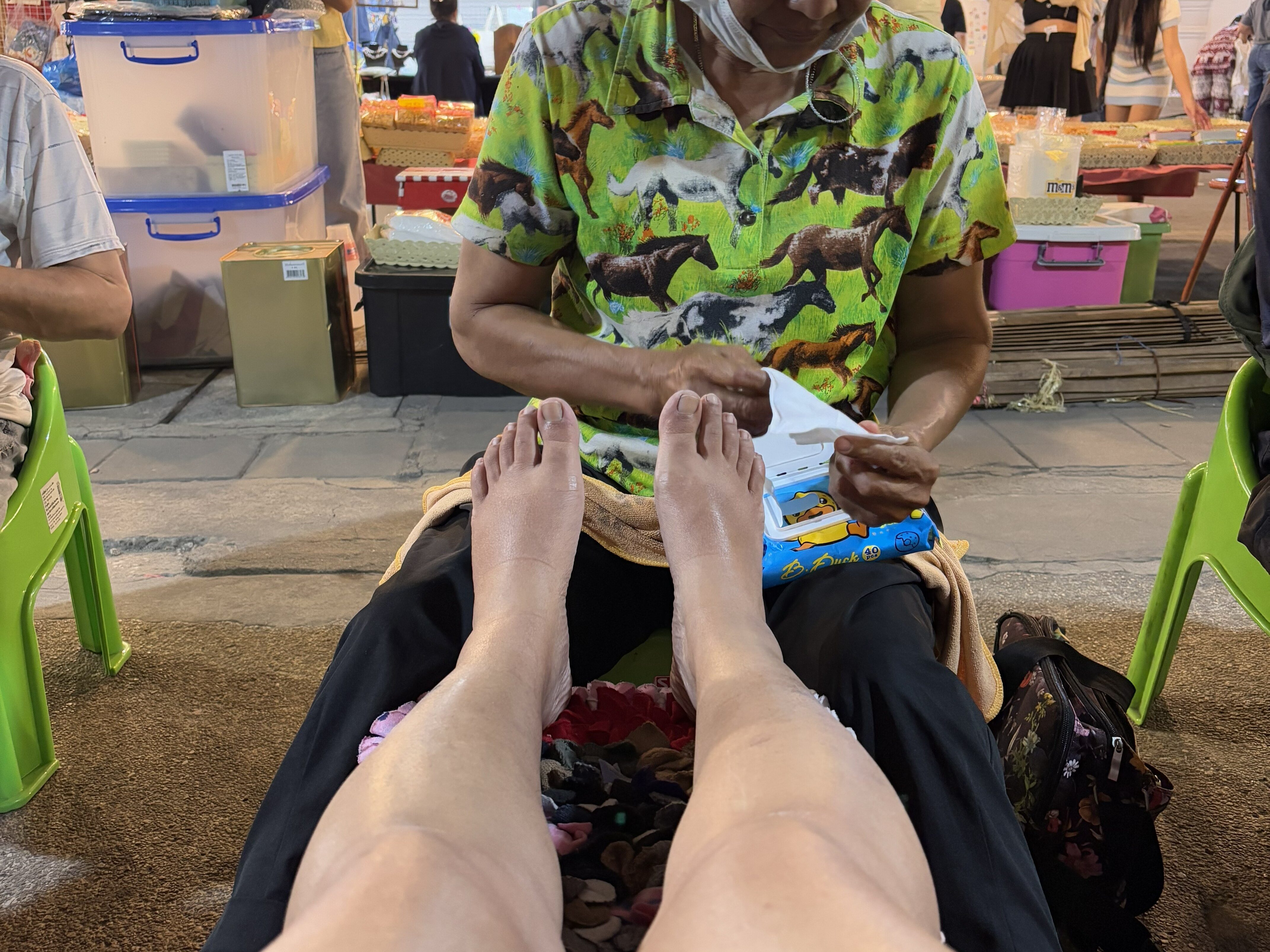
One of the first things I do after arriving in Chiang Mai, almost without fail, is head to the first local massage shop I come across. I don’t spend hours comparing reviews or hunting for the fanciest spa in town. If it looks clean, welcoming, and full of mean-looking aunties who look like they could squish you into a pulp, that’s usually good enough for me.
Thailand is practically synonymous with Thai massage at this point, and for good reason. But massages in Chiang Mai have always hit a little differently for me. Maybe it’s the slower pace of the city, maybe it’s that I’m already starting to unwind by then, or maybe it’s just all the walking catching up with me. Whatever the reason, I can never resist getting one within the first day or two.
If you want to go a step further, head to Wat Sri Suphan (the Silver Temple) for a traditional Tok Sen massage. Instead of the stretching and pressure you’re probably used to, Tok Sen uses a small wooden mallet and wedge tapped gently along the body’s energy lines. It’s an unusual feeling at first, but it’s a real window into a healing tradition that’s been passed down through generations in northern Thailand.
I’d also recommend Lila Thai Massage. Beyond the massages themselves, it’s a social enterprise that trains and employs former female inmates, helping them build new skills and a fresh start after leaving prison. You leave feeling better, and knowing your visit supported something worthwhile too.
The Best Plan Is to Leave Some of It Unplanned
If I could give you one piece of advice before your trip, it would be this: don’t put pressure on yourself to have the “perfect” Chiang Mai experience. Make a list of the places you’re excited about, absolutely, but don’t treat it like a checklist you have to finish before you leave. Some of my favourite memories here have come from changing my mind halfway through the day because a café looked inviting, a market caught my attention, or I simply felt like sitting in a park instead of seeing one more temple.
And if you’re wondering how long to stay, give Chiang Mai at least a week if you can. Not because there are endless attractions to fill your days, but because it’s one of those rare places that gets better once you stop feeling like you need to be doing something all the time. Slow travel isn’t really about moving slowly. It’s about giving yourself enough time to enjoy where you already are. I can’t think of a better city to practise that in than Chiang Mai.
A Quick Note Before You Go
If this way of travelling speaks to you, I think you’ll feel right at home here.
This blog is my attempt at sharing honest destination guides, practical travel tips, and personal stories for people who’d rather experience a place than race through it. You’ll find plenty more from Thailand, Laos, Uzbekistan, and wherever my curiosity takes me next.
If you’d like to keep travelling together, I’d love for you to subscribe to the newsletter. I don’t send endless emails or try to sell you things every other week. It’s simply the easiest way to know when a new story goes live.
You can also find me over on Instagram, where I share little moments from my travels, behind-the-scenes glimpses of the blog, and the occasional reminder that not every trip has to be a once-in-a-lifetime adventure to be worth taking.
And finally, if you’ve been to Chiang Mai yourself, I’d genuinely love to hear about it. Did you have a favourite café, a market I should visit next time or a place that made you slow down? Or, if you’re planning your very first trip and have a question, leave a comment below. I read every single one.