Note: This post contains affiliate links. If you book through them, I may earn a small commission at no extra cost to you. I only recommend things I have personally used or genuinely believe in.
Uzbekistan wasn’t on my list. It started appearing on my social media feed often enough that I eventually paid attention, and when my best friend and I were looking for somewhere in Asia that felt genuinely different without costing a fortune, we looked into it on a bit of a whim. As I started researching a Uzbekistan travel itinerary, the country began to make more and more sense. The e-visa was straightforward, the flights from Delhi were affordable, and the trains between cities looked easy enough. So we booked it.
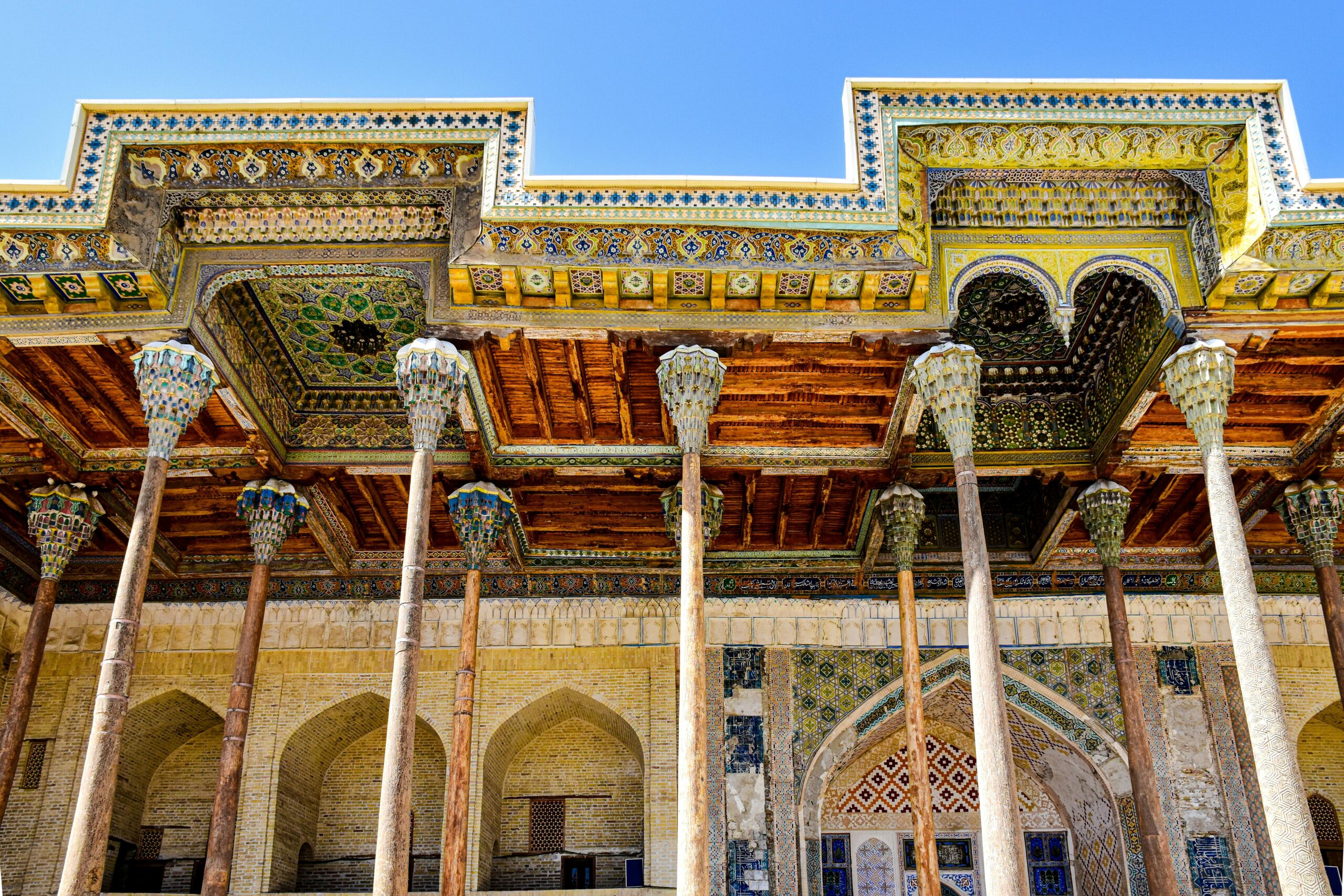
While planning the trip, I noticed that most itineraries tried to squeeze Tashkent, Samarkand, Bukhara, and Khiva into a week or ten days. With only eight days available, that felt unnecessarily rushed. Rather than trying to see everything, I decided to focus on Tashkent, Samarkand, and Bukhara, and give each city enough time to be experienced properly. The result was a trip that felt relaxed, affordable, and surprisingly easy to navigate independently. If you are planning your first visit to Uzbekistan, this is the exact route I would recommend.
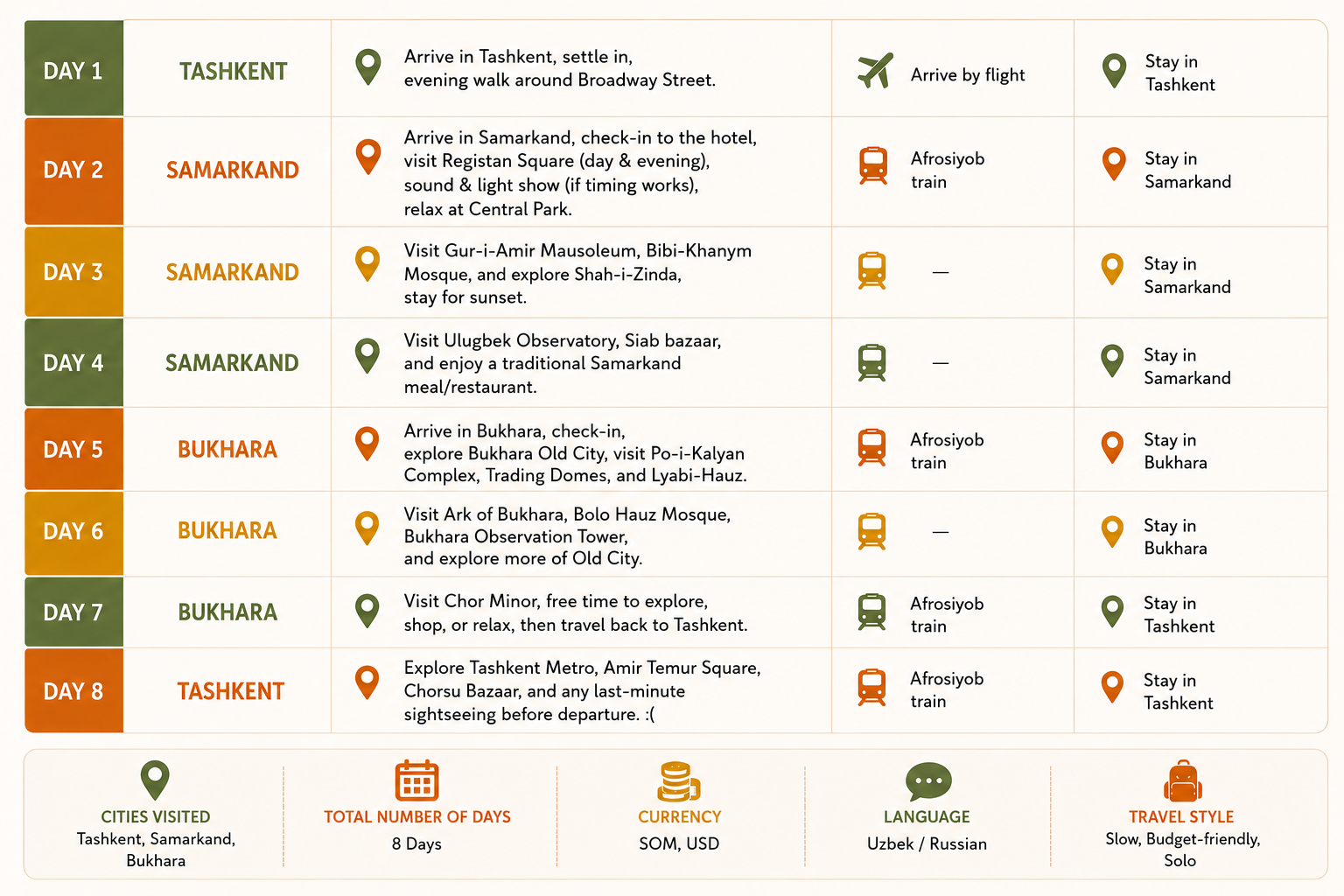
Uzbekistan Travel Itinerary: A Quick Overview
Uzbekistan Travel Itinerary: FAQs
Is 8 days enough in Uzbekistan?
Yes, absolutely. Eight days are enough to experience Uzbekistan at a comfortable pace if you focus on Tashkent, Samarkand, and Bukhara. This Uzbekistan travel itinerary is designed specifically for travellers who prefer to spend a little longer in each destination rather than rushing through the entire country.
What is the best time to visit Uzbekistan?
Spring (April to June) and autumn (September to early November) are generally considered the best times to visit. I travelled in early April and found the weather ideal for sightseeing, with comfortable temperatures, manageable crowds, and reasonable prices.
How much does it cost to spend a week in Uzbekistan?
My 8-day trip cost just under ₹50,000 per person, including flights from Delhi, accommodation, trains, food, sightseeing, and shopping. If you’d like a detailed breakdown, I have a separate post covering my complete Uzbekistan budget.
Do Indians need a visa for Uzbekistan?
Yes. Indian passport holders can apply for a Uzbekistan e-Visa online. The process is straightforward, costs $20 USD, and my visa was approved within three working days.
How do you travel between cities in Uzbekistan?
The easiest way to travel between Tashkent, Samarkand, and Bukhara is by using the Afrosiyob high-speed train. It is comfortable, affordable, and significantly easier than flying. If you would like to learn more about train travel as a part of your Uzbekistan travel itinerary, I recommend checking out my guide.
Can I get by with English in Uzbekistan?
Not always, but don’t let that put you off. English is fairly limited outside the main tourist areas, although we usually managed to communicate with a combination of simple words, hand gestures, smiles, and Google Translate. People were generally friendly and genuinely tried to help, even when there was a language barrier.
What currency is used in Uzbekistan?
The local currency is the Uzbek Som (UZS). While some hotels accept USD and credit cards, cash is still useful for markets, taxis, smaller cafés, and local restaurants.
Is Uzbekistan safe for solo travellers?
In my experience, very much so. Throughout the trip, I found the cities calm, easy to navigate, and generally free from the scams and aggressive touting that travellers often encounter elsewhere.
Is Uzbekistan safe for women?
Based on my experience as a female traveller, yes. I felt comfortable walking around during the day and in the evenings everywhere. As with any destination, basic common sense applies, but Uzbekistan felt noticeably safer than many places I have visited.
Should I visit Khiva on an 8-day Uzbekistan itinerary?
If you only have eight days and prefer slower travel, I would personally focus on Tashkent, Samarkand, and Bukhara. Khiva deserves more than a rushed overnight stop. However, if this is likely to be your only trip to Uzbekistan, you could shorten your time in Samarkand and Bukhara and include Khiva as part of a broader Silk Road itinerary.
Uzbekistan Visa for Indians
One of the reasons Uzbekistan moved from “interesting idea” to “let’s book it” so quickly for me was how straightforward the visa process turned out to be.
Indian passport holders need an e-Visa to visit Uzbekistan. At the time of writing, a single-entry e-Visa costs $20 USD (approximately ₹1,670) and allows a stay of up to 30 days. A double-entry visa costs $35 USD and is valid for 90 days, with a maximum stay of 30 days on each entry.
The application can be completed entirely online and requires your passport details, travel information, and a digital passport photograph. My visa was approved within three working days, and the overall process was surprisingly uncomplicated.
The only thing worth paying close attention to is the photo requirement. The system is surprisingly particular about image specifications. At the time of my application, the photo needed to be 35mm × 45mm, 300 DPI, in JPG format, and under 1MB in size. Mine was rejected the first time because of a formatting issue, so it is worth double-checking everything before uploading.
Apart from that minor annoyance, the process was refreshingly simple. There were no embassy visits, interviews, or mountains of paperwork involved. For a destination that still feels relatively undiscovered to many Indian travellers, Uzbekistan is remarkably accessible from a visa perspective.
How to Get to Uzbekistan from India
One of the biggest surprises while planning this trip was discovering how accessible Uzbekistan actually is. Before I started researching seriously, I had mentally placed Central Asia into the category of destinations that required complicated routes, multiple layovers, and a fair amount of logistical gymnastics.
In reality, getting there was remarkably straightforward. At the time of writing, there are direct flights from Delhi to Tashkent, along with additional connections available from cities such as Mumbai and several other major Indian airports. My best friend and I flew directly from Delhi to Tashkent with IndiGo and paid ₹40,544 for our return flights. If you plan ahead, you could get some really sweet deals, too.
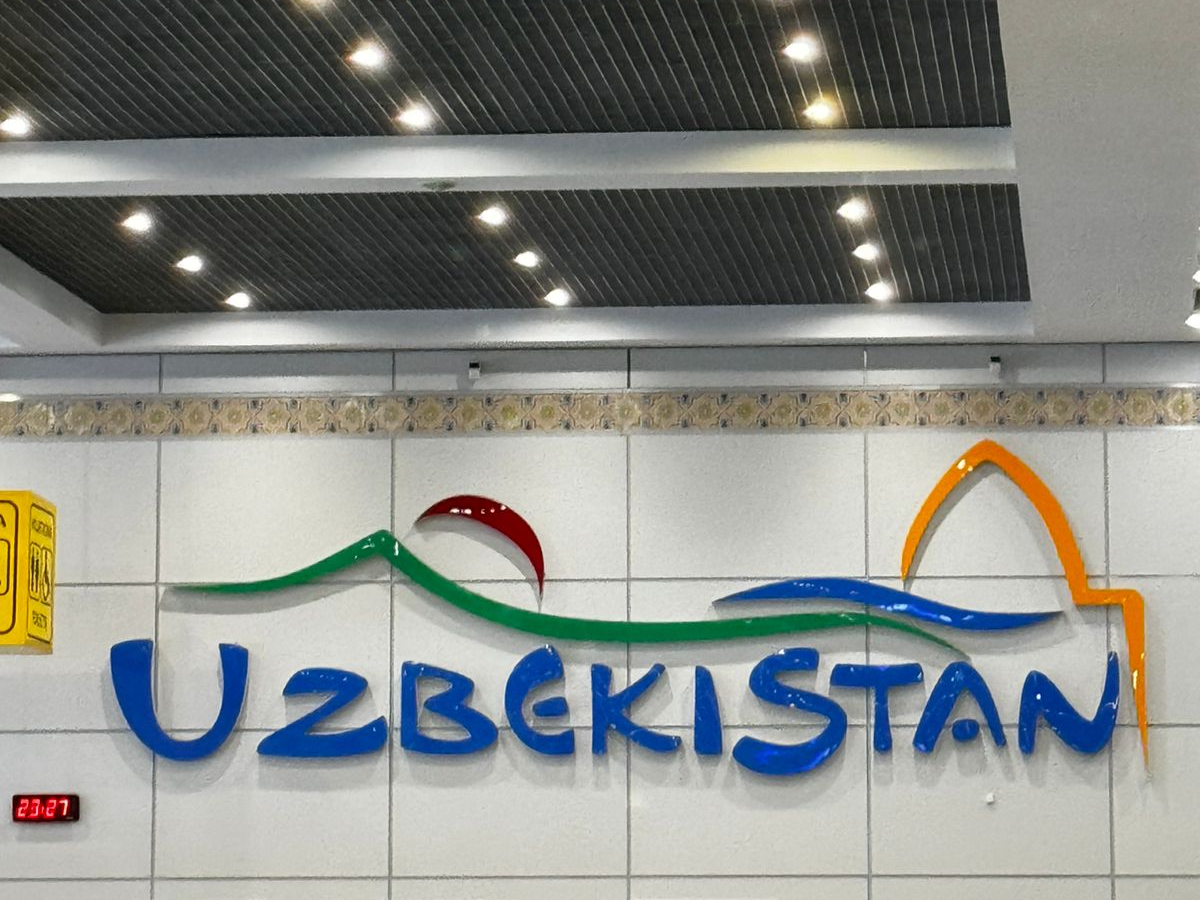
For Indian travellers, Uzbekistan is probably much closer than it appears on a map. Combined with the simple e-Visa process and the country’s excellent train network, it is one of the easiest introductions to Central Asia for first-time visitors.
Getting Around the Country
One of the reasons this Uzbekistan travel itinerary worked so well is that getting between cities was surprisingly easy. Unlike many destinations where long travel days can eat into your holiday, Uzbekistan’s high-speed rail network makes moving between major cities quick, comfortable, and affordable.
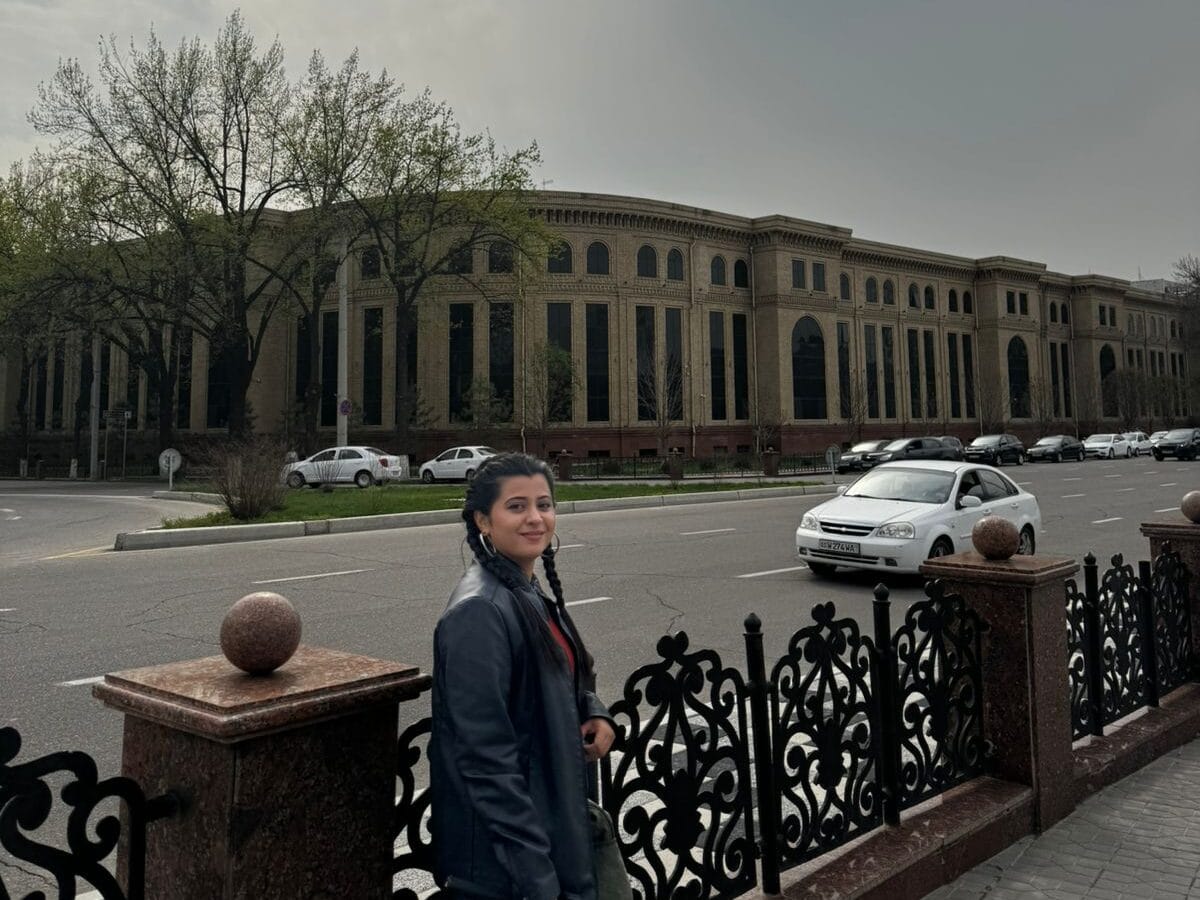
For this itinerary, I travelled between Tashkent, Samarkand, and Bukhara using the Afrosiyob high-speed train. The trains were clean, punctual, and significantly more relaxing than dealing with domestic flights or long-distance buses.
The one thing I would strongly recommend is booking your train tickets as early as possible, especially if you plan to visit during the busy spring and autumn travel seasons. Tickets can sell out several weeks in advance, and waiting until the last minute may leave you with slower trains, inconvenient departure times, or no seats at all.
Once inside the cities, I used Yandex Go almost exclusively. Think of it as the local version of Uber. It removed any need to negotiate fares, worked reliably throughout the trip, and made getting around both affordable and stress-free.
If you would like a step-by-step guide to booking Afrosiyob tickets, choosing train classes, and understanding the rail system, I have covered everything in detail in my Afrosiyob train guide.
👉 Must read: Riding the World’s Cheapest Bullet Train
Day 1: Arriving in Tashkent
My flight landed in Tashkent late in the evening, so this was never going to be a sightseeing day. After clearing immigration and checking into our hotel, my best friend and I headed out in search of food and a short walk before calling it a night.
That first walk took us to Broadway Street, a pedestrian area in the centre of the city. Families were out enjoying the evening, groups of friends were chatting, and people were simply going about their lives. After months of planning and a few hours in the air, it felt good to finally be there.
We didn’t stay out long. The plan was always to catch the Afrosiyob train to Samarkand the following morning, so an early night made far more sense than trying to squeeze in a full evening of sightseeing. However, if your flight arrives earlier in the day and you have a little more energy than we did, Broadway Street pairs nicely with a stroll through Amir Temur Square or a relaxed dinner at one of the nearby cafés before settling in for the night.
Day 2: Samarkand (Pilaf, Blue Domes, and First Impressions)
The following morning, take the Afrosiyob high-speed train from Tashkent to Samarkand. The journey takes around two hours, making it one of the easiest and most comfortable train rides I have taken anywhere. You can have breakfast in Tashkent and still arrive in Samarkand with most of the day ahead of you.
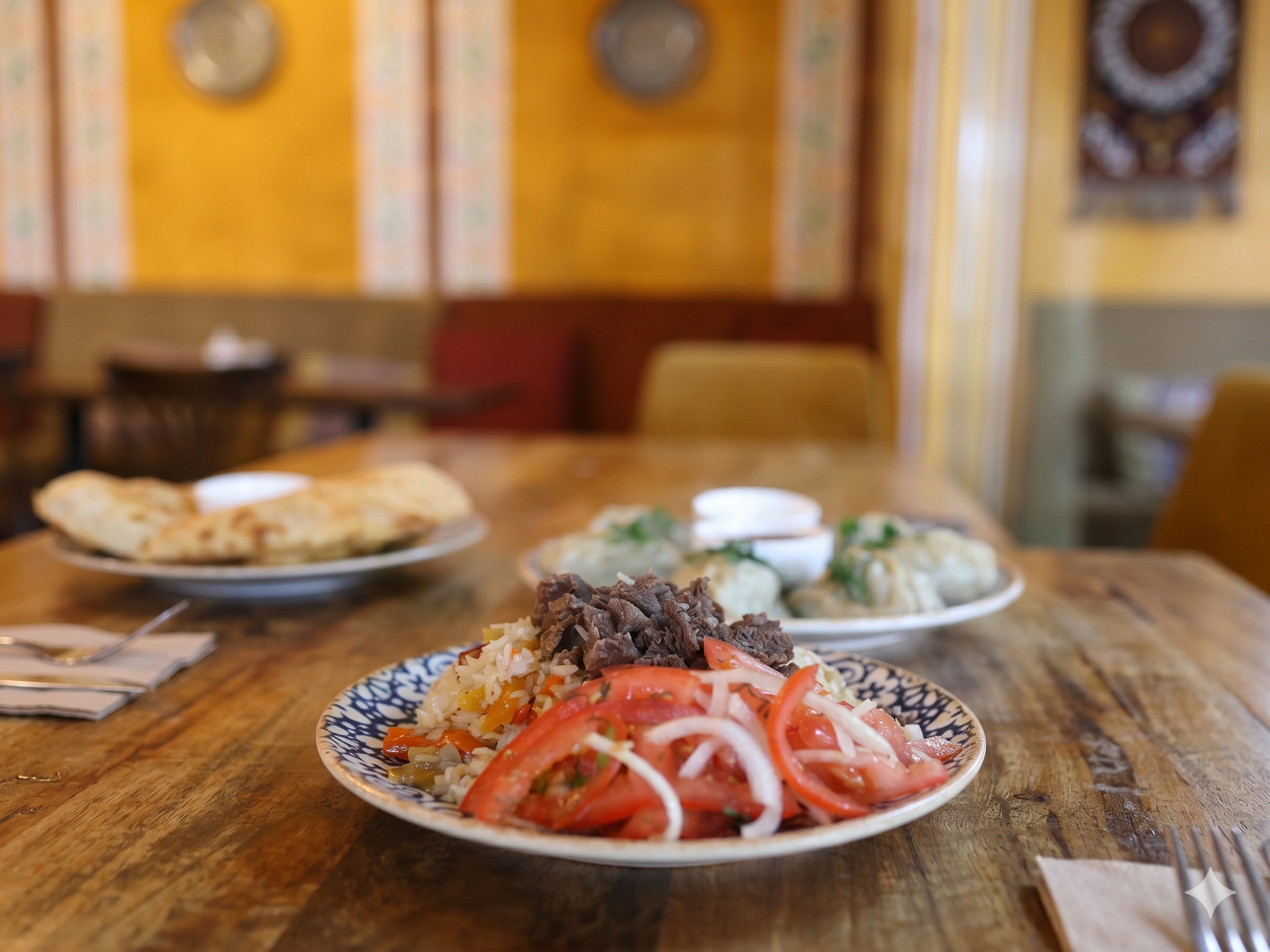
After checking into your hotel, start with lunch at a local restaurant and try Uzbek pilaf if you have not already. Every region in Uzbekistan has its own variation, and Samarkand’s version is among the most famous. Rich, hearty, and surprisingly filling, it is the kind of meal that explains why the dish has remained a national favourite for centuries.
The rest of the afternoon is best spent at the Registan Square, the landmark most people associate with Uzbekistan. I had seen photographs countless times before arriving, but nothing prepared me for the scale of it in person. The three madrasas surrounding the square are so large that your eyes need a few moments to adjust. Even with visitors scattered across the grounds, the space somehow manages to feel calm and unhurried.
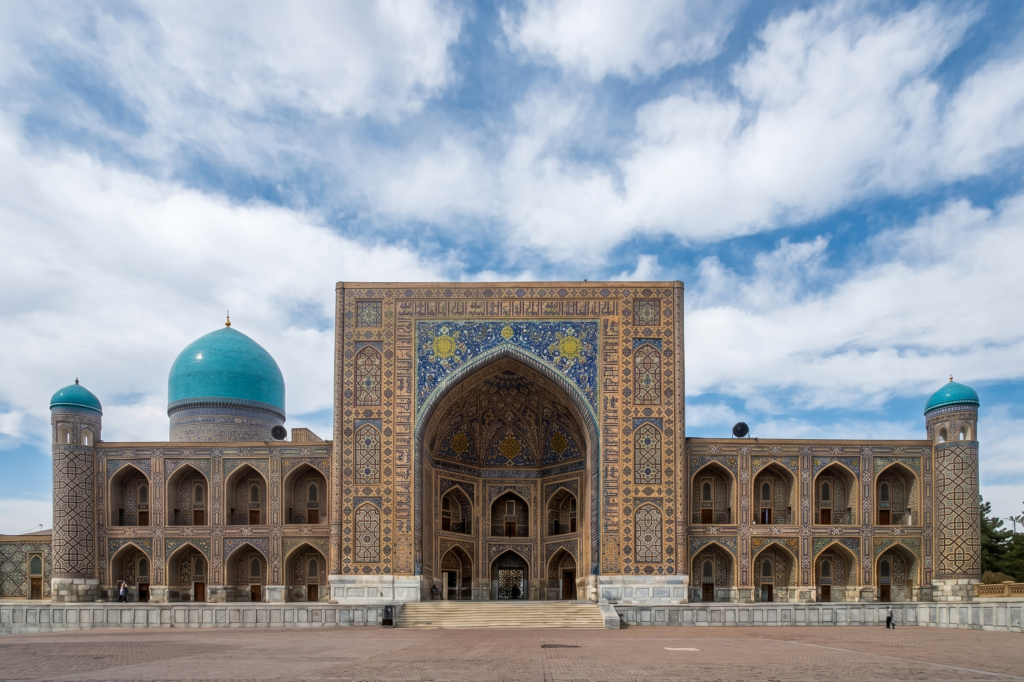
Take your time here. Explore the courtyards, step inside the madrasas, and pay attention to the details rather than rushing from photo spot to photo spot. The tilework, the geometric patterns, and the sheer craftsmanship become more impressive the longer you look.
If possible, return again in the evening for the light and sound show. The Registan feels completely different after dark, when the sandstone takes on a warm golden glow and the illuminated facades transform one of Central Asia’s most famous squares into something even more theatrical.
Before heading back to your hotel, consider a stroll through Central Park or the surrounding neighbourhoods. It is a pleasant way to end the day and offers a glimpse of everyday life beyond the monuments that first brought you to Samarkand.
👉 Must read: Mosaics and Magic in Samarkand, Uzbekistan
Day 3: Samarkand (Tombs, Mosques, and Sunset at Shah-i-Zinda)
If Day 2 introduced you to Samarkand, Day 3 is where you begin to understand why the city occupies such a special place in Silk Road history.
Start the morning at Gur-i-Amir, the mausoleum of Amir Temur, the ruler who transformed Samarkand into the capital of his empire. While the exterior is impressive enough, the real reward is stepping inside. The gilded ceilings, intricate geometric patterns, and the famous tomb itself feel surprisingly intimate compared to the grand scale of many of the city’s other landmarks.
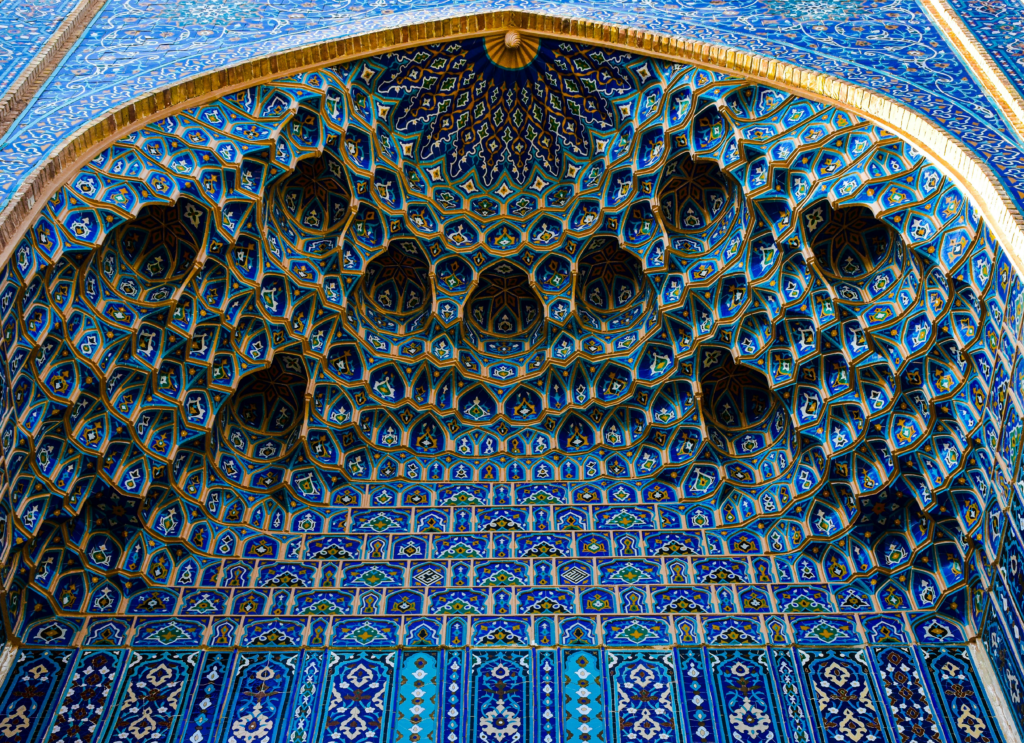
From there, continue to the Bibi-Khanym Mosque, one of the most ambitious construction projects of the Timurid era. Built in the early 15th century, it was once among the largest mosques in the Islamic world. Even today, standing beneath its towering entrance portal gives some indication of the wealth, ambition, and confidence that defined Samarkand at its peak.
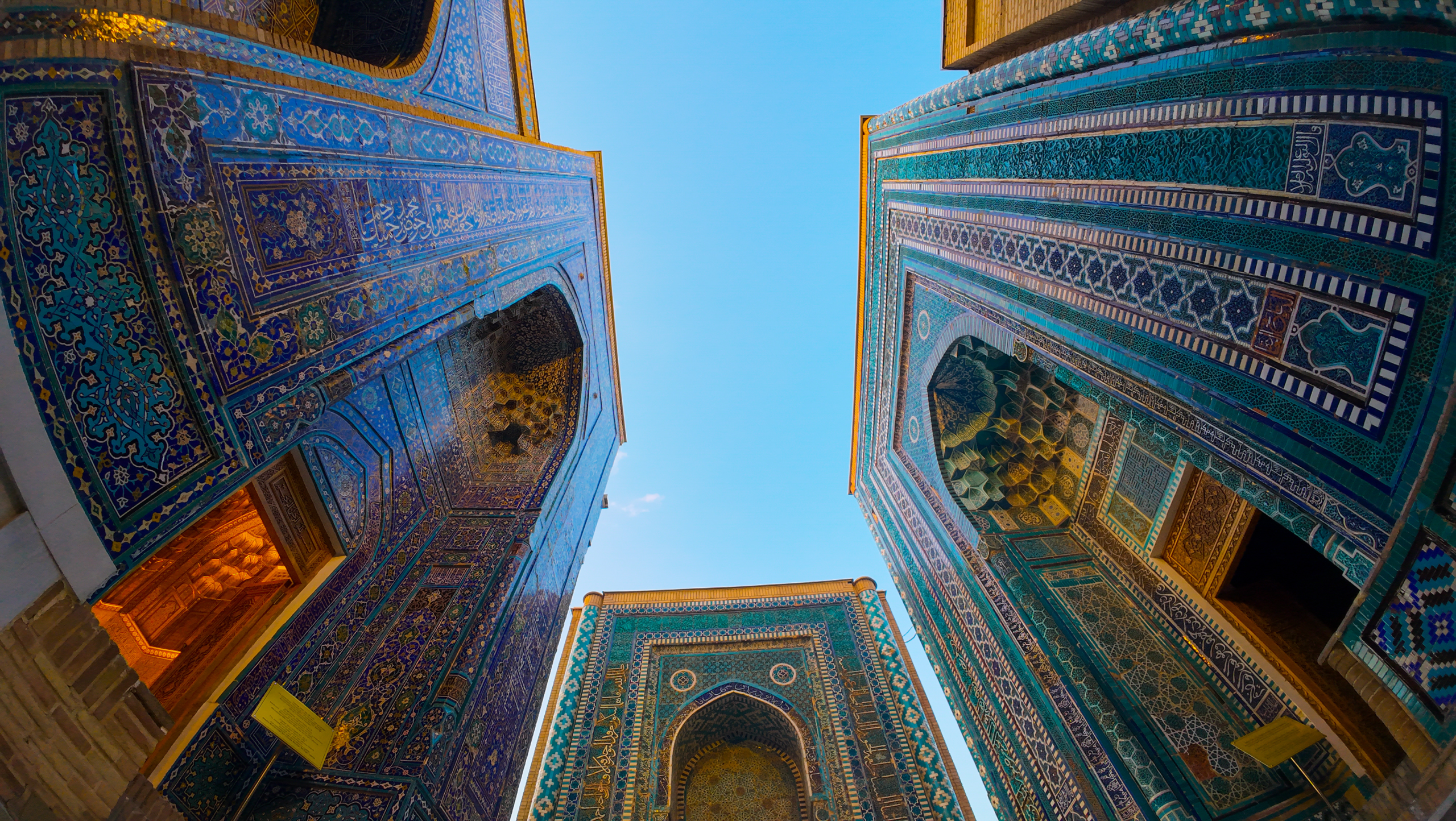
The afternoon belongs to Shah-i-Zinda. If there is one place that completely lives up to the photographs, this is it. The narrow avenue of mausoleums is lined with some of the most extraordinary tilework in Uzbekistan, displaying every imaginable shade of turquoise, lapis, sapphire, and cobalt blue. It feels less like a collection of tombs and more like an open-air gallery of Islamic art and architecture.
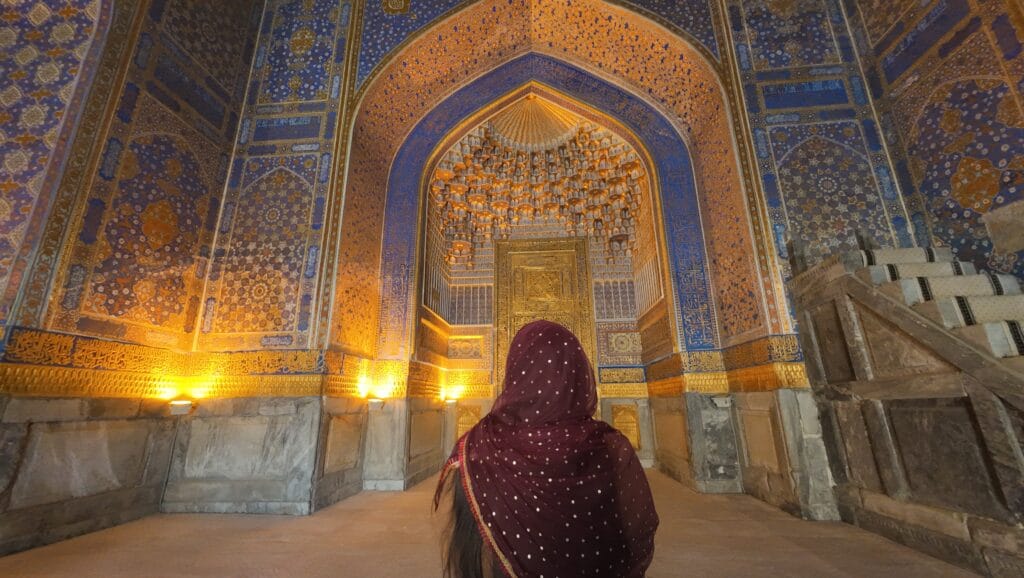
I would strongly recommend timing your visit for late afternoon and staying through sunset. As the crowds begin to thin and the light softens, the colours seem to shift with every passing minute. We arrived expecting to spend an hour or two and ended up lingering far longer.
If you only have time for one golden-hour experience in Samarkand, make it Shah-i-Zinda. Of all the places I visited in Uzbekistan, it remains one of the first that comes to mind when I think back on the trip.
Day 4: Samarkand (Observatories, Bazaars, and Dinner for Two)
After two days spent exploring Samarkand’s grand mosques, mausoleums, and monuments, I would use the final day to experience a different side of the city.
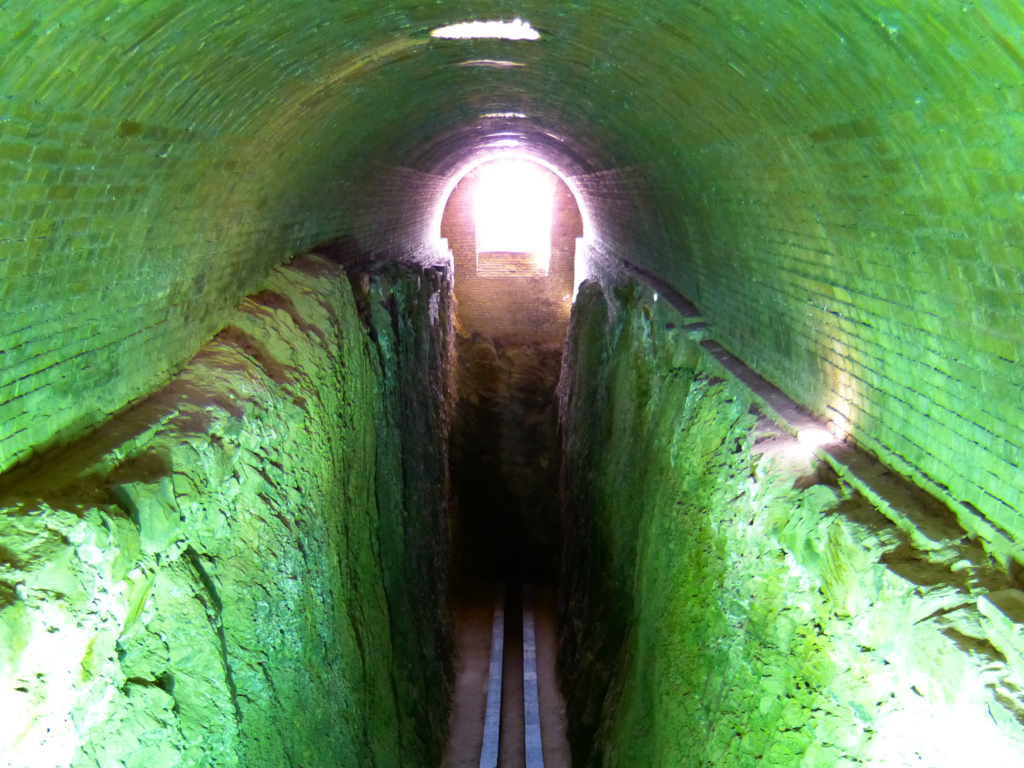
Start the morning at the Ulugbek Observatory, one of the most important scientific sites in Central Asian history. Compared to the blue domes and monumental architecture elsewhere in Samarkand, the observatory feels surprisingly modest. Yet it represents one of the city’s greatest achievements. Ulugbek, the grandson of Amir Temur, was an astronomer, mathematician, and ruler who devoted much of his life to studying the stars. Standing beside the remains of the enormous sextant he built in the 15th century, it is difficult not to admire the ambition behind a project that helped map the heavens centuries before modern technology existed.
From there, head to Siab Bazaar, the largest market in Samarkand and one of the oldest in Central Asia. If the city’s monuments tell the story of emperors and dynasties, the bazaar tells the story of everyday life. Vendors sell everything from spices and dried fruit to local sweets and the famous round loaves of Samarkand bread. It is busy, colourful, and occasionally chaotic in the best possible way.
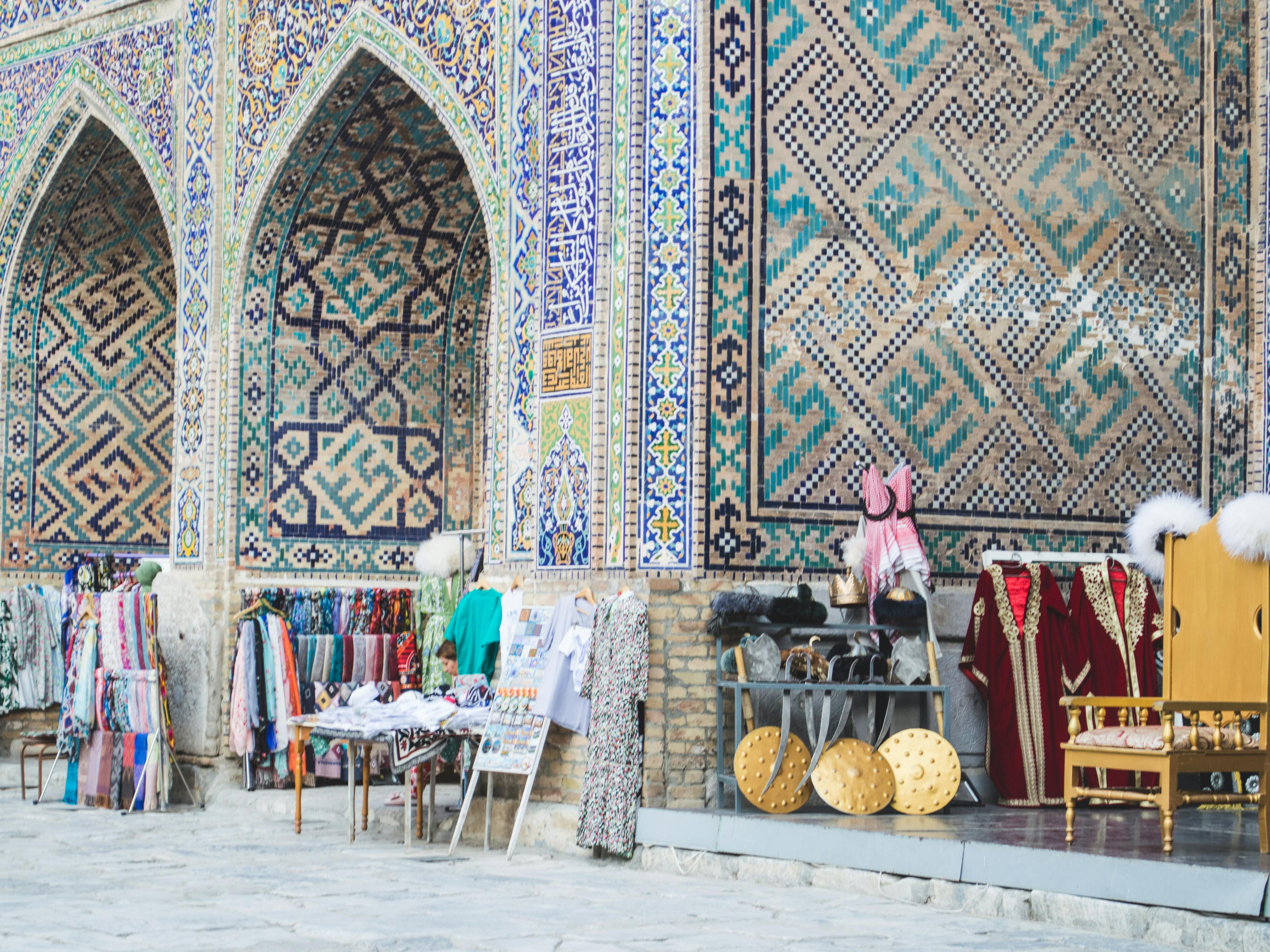
The afternoon is a good opportunity to slow down and revisit any places that particularly stood out during your time in the city. Whether that means returning to the Registan for one last look, enjoying a leisurely coffee, or simply wandering through the surrounding streets, this is your chance to appreciate Samarkand without feeling pressured to rush from one attraction to the next.
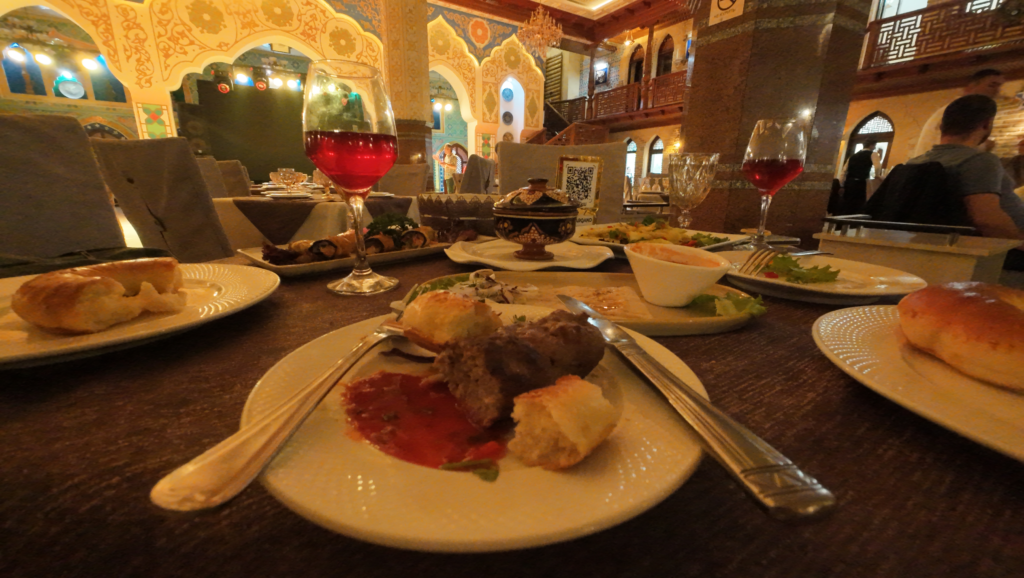
For your final evening, consider dinner at Samarkand Restaurant, one of the city’s best-known dining spots. The atmosphere feels almost celebratory, with large family gatherings, special occasions, and tables overflowing with food. It is a fitting place to end your time in a city that has spent three days reminding you why it was once one of the most important crossroads on the Silk Road.
Day 5: Bukhara (Brown Walls, Trading Domes, and First Impressions)
After three days in Samarkand, arriving in Bukhara can feel surprisingly different. Although the two cities are only a short train ride apart, the atmosphere changes almost immediately. The turquoise domes and monumental architecture give way to clay walls, weathered wooden doors, sandstone, and warm earth tones that seem to glow in the afternoon light. Bukhara feels quieter, more intimate, and somehow easier to absorb at a slower pace.
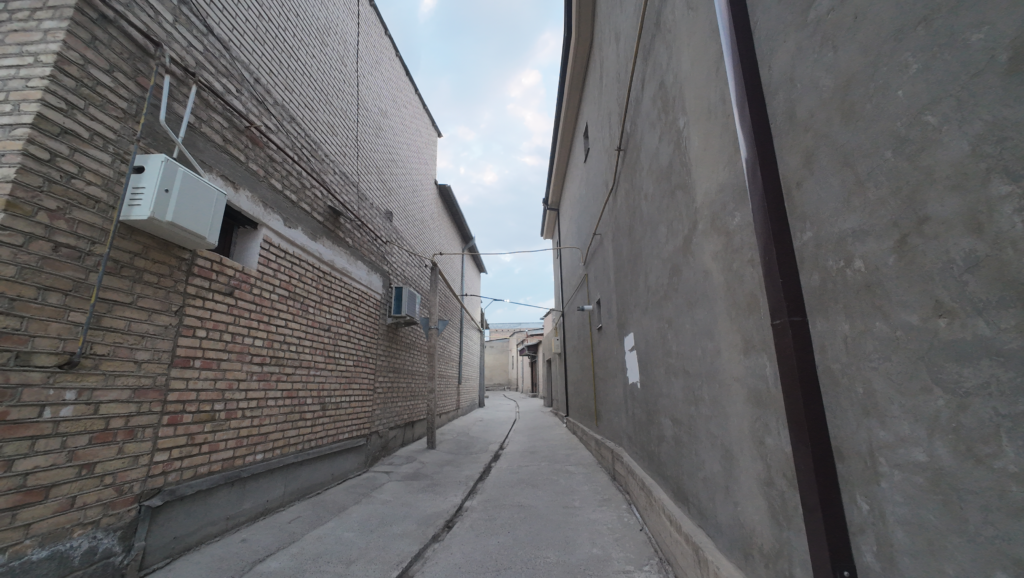
After checking into your hotel or guesthouse, spend the rest of the day exploring the Old City on foot. Unlike many historic centres that have been overwhelmed by traffic and modern development, Bukhara’s core remains remarkably walkable, making it easy to move between major sights without constantly checking a map.
A good place to begin is the Po-i-Kalyan Complex, often considered the heart of Bukhara. The complex includes the Kalyan Minaret, Kalyan Mosque, and Mir-i-Arab Madrasa, some of the city’s most iconic landmarks. Standing beneath the towering minaret, which has watched over Bukhara since the 12th century, offers a first glimpse into the scale and historical significance of a city that has been continuously inhabited for more than 2,000 years.
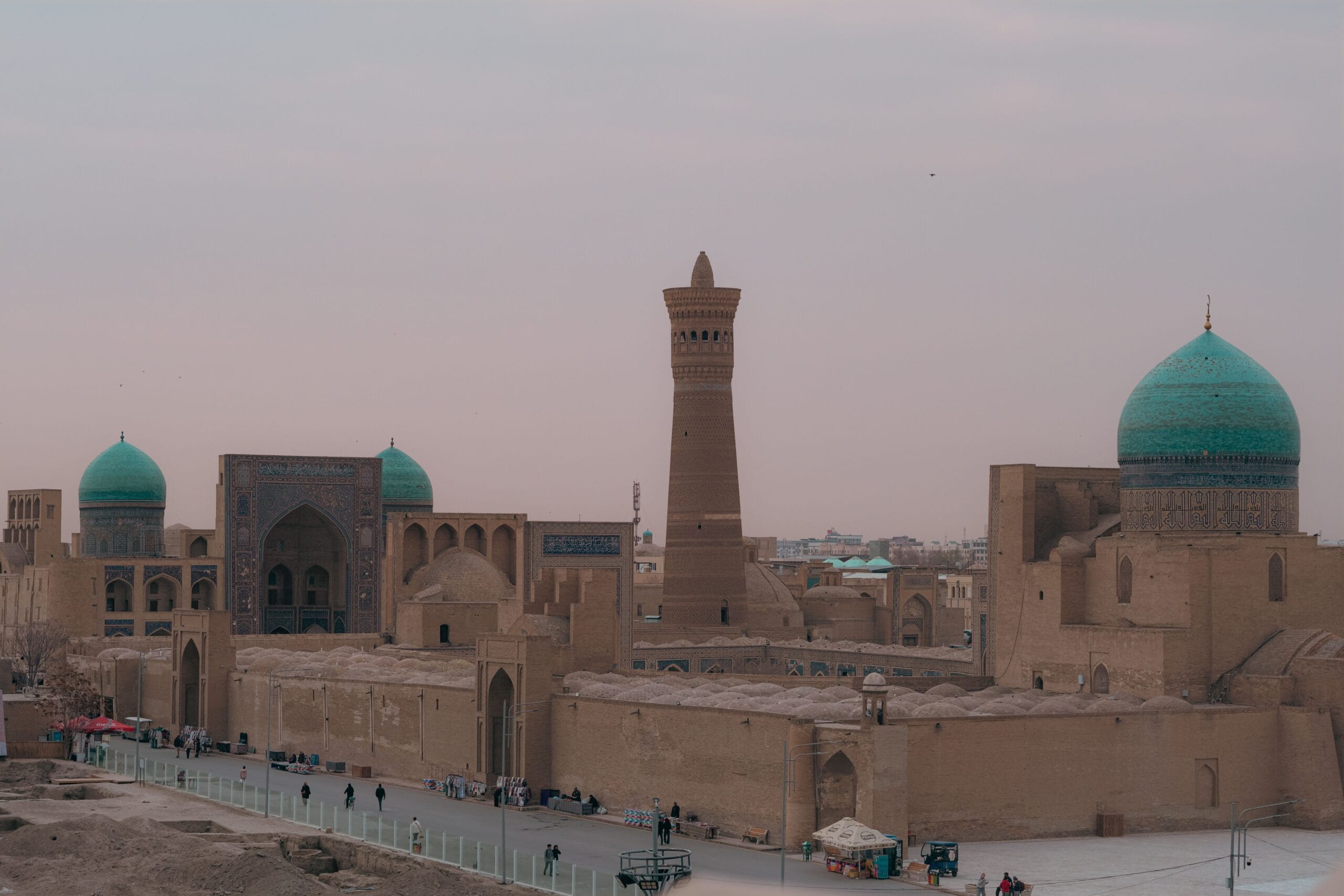
From there, wander through the Trading Domes, including Toki Zargon, where merchants have been buying and selling goods since Silk Road times. Today you’ll find jewellery, textiles, ceramics, and handmade souvenirs, but the atmosphere still feels surprisingly connected to the city’s trading past.
As the afternoon heat begins to fade, find a café or tea house around Lyabi-Hauz and slow down for a while. The pond has been a gathering place for locals and travellers for centuries and remains one of the most pleasant spots in the city to sit and watch life unfold simply.
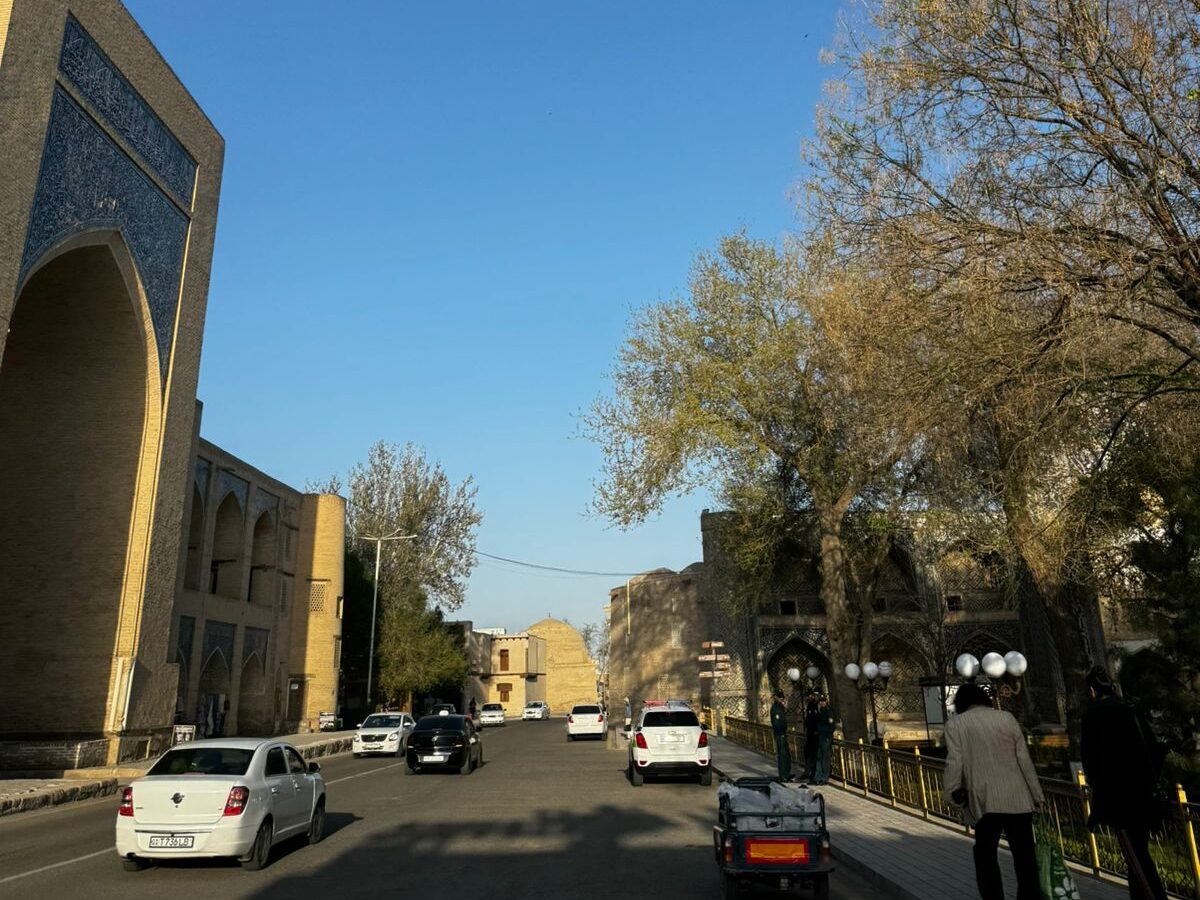
Finish the day with dinner in the Old City before taking an evening stroll through the illuminated streets. Bukhara after sunset feels entirely different from its daytime self, and there is something special about wandering through centuries-old alleyways once most of the day-trippers have gone home.
👉 Must read: Bukhara Old City: The Ultimate Peaceful Sanctuary for Solo Travellers
Day 6: Bukhara (Fortresses, City Views, and Silk Road History)
The second full day in Bukhara is a good opportunity to focus on the city’s historical side. While the previous afternoon was about getting your bearings and soaking up first impressions, today is the day to explore some of the landmarks that helped make Bukhara one of the most important cities on the Silk Road.
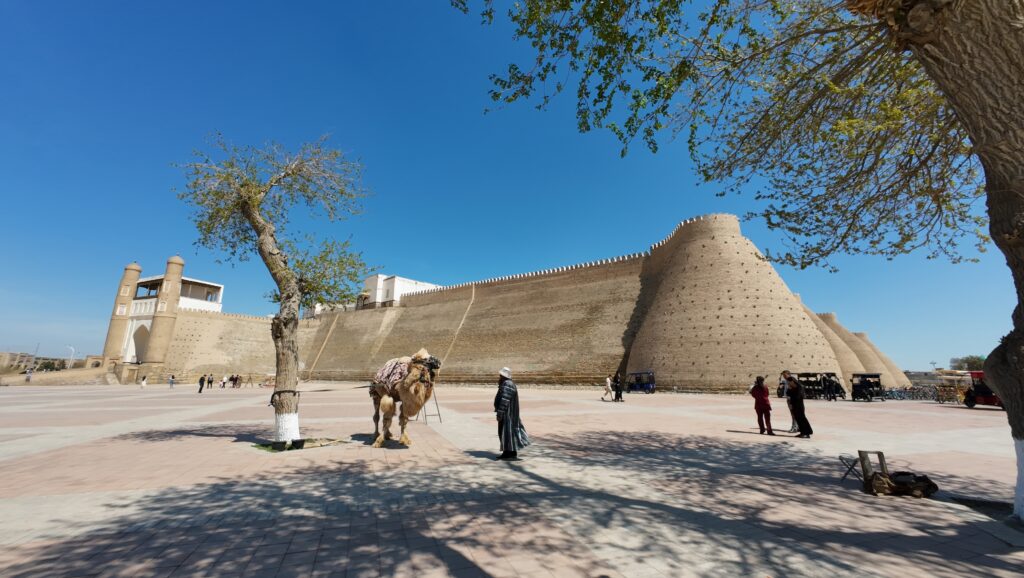
A good place to start the morning is the Ark of Bukhara, the enormous fortress that served as the residence of Bukhara’s rulers for centuries. Standing outside its massive walls, it is easy to understand why the Ark remained the political and cultural heart of the city for so long. If you enjoy museums and historical exhibits, this is also one of the best places in Bukhara to learn about the city’s long and often turbulent history.
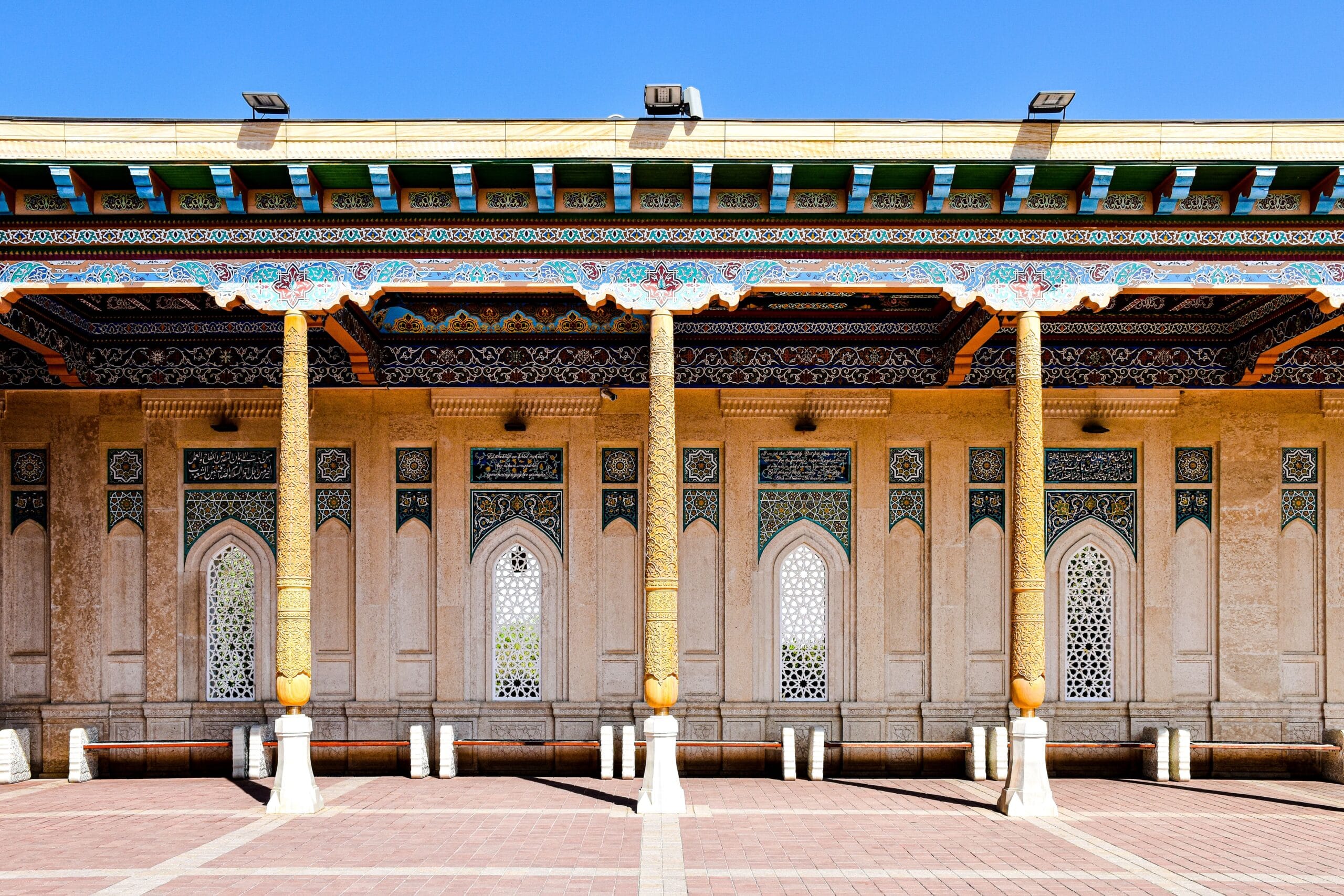
Just opposite the Ark sits the elegant Bolo Hauz Mosque, one of the most recognisable landmarks in the city. Its wooden columns reflected in the pond create one of Bukhara’s most photographed scenes, although I would argue it looks even better in person than it does on Instagram.
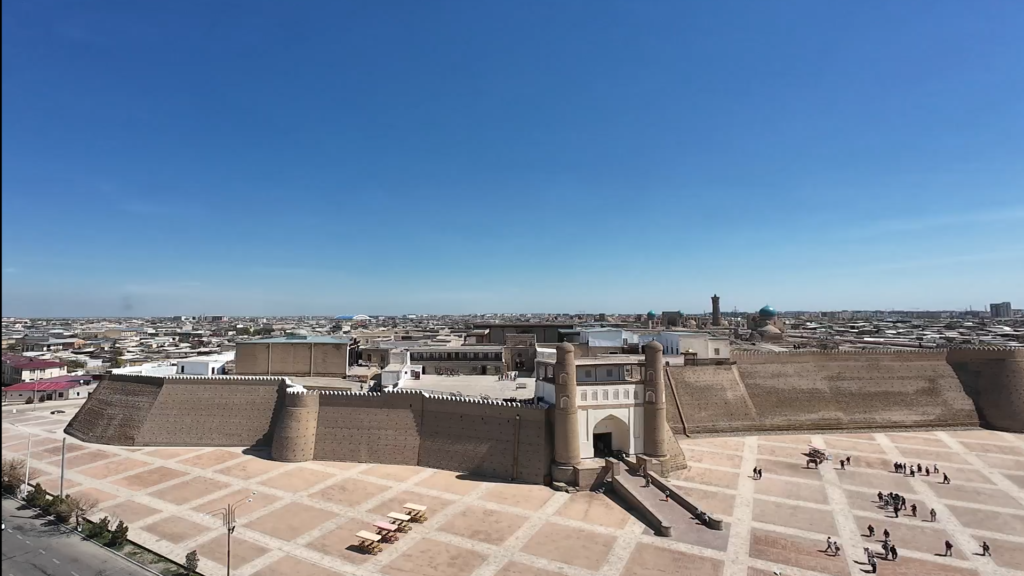
After lunch, consider heading up to the Bukhara Observation Tower. This was one of my favourite discoveries in the city. For a relatively small entrance fee, you get sweeping views across the Old City, including the Ark, the minarets, the domes, and the maze of streets stretching out in every direction. Looking across the rooftops, it becomes easier to appreciate the scale of a city that has been continuously inhabited for more than 2,000 years.
The rest of the afternoon is perfect for slowing down a little. Browse the shops beneath the Trading Domes, pick up a few souvenirs, or simply wander through the quieter side streets that branch away from the main sights. Bukhara rewards curiosity more than efficiency, and some of my favourite moments happened between destinations rather than at them.
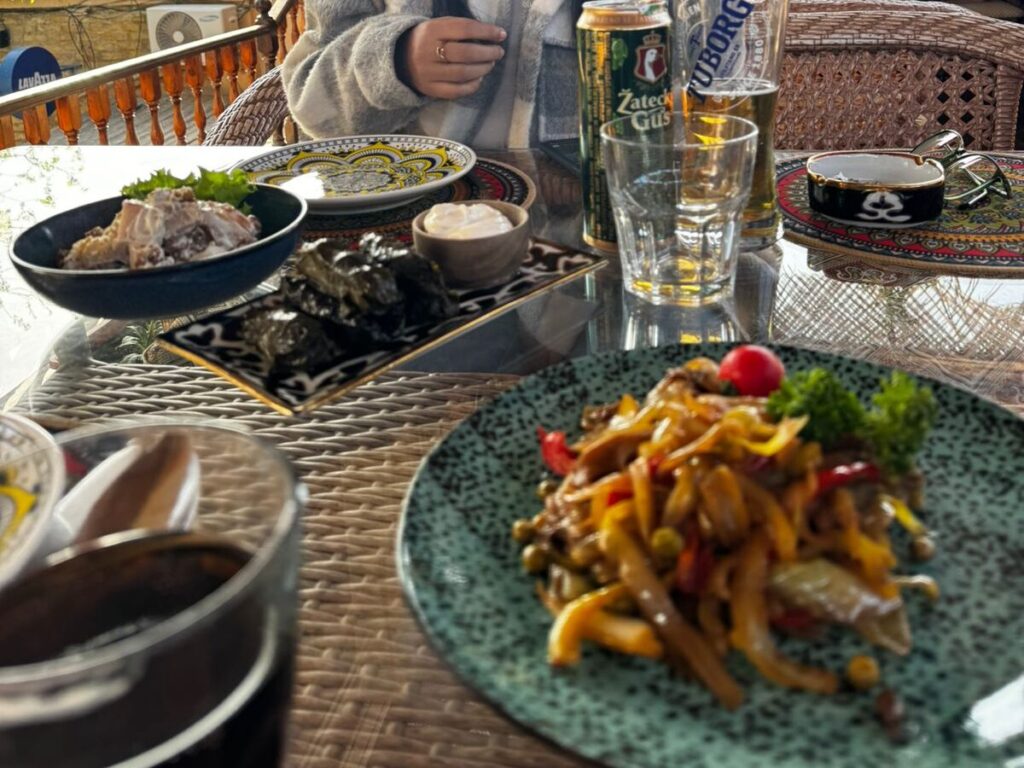
For dinner, I highly recommend booking a table at Old Bukhara Restaurant. We paid around 100,000 Som per person for a full meal, including desserts and drinks, and it ended up being one of the best dining experiences of the trip. The food was excellent, the setting was beautiful, and it felt like the perfect way to end a day spent exploring one of the Silk Road’s most fascinating cities.
Day 7: Bukhara (Tea Breaks, Courtyards, and One Last Sunset)
By your final day in Bukhara, you will have probably visited most of the major landmarks. What surprised me, however, was how quickly the monuments stopped feeling like destinations and started feeling like part of everyday life.
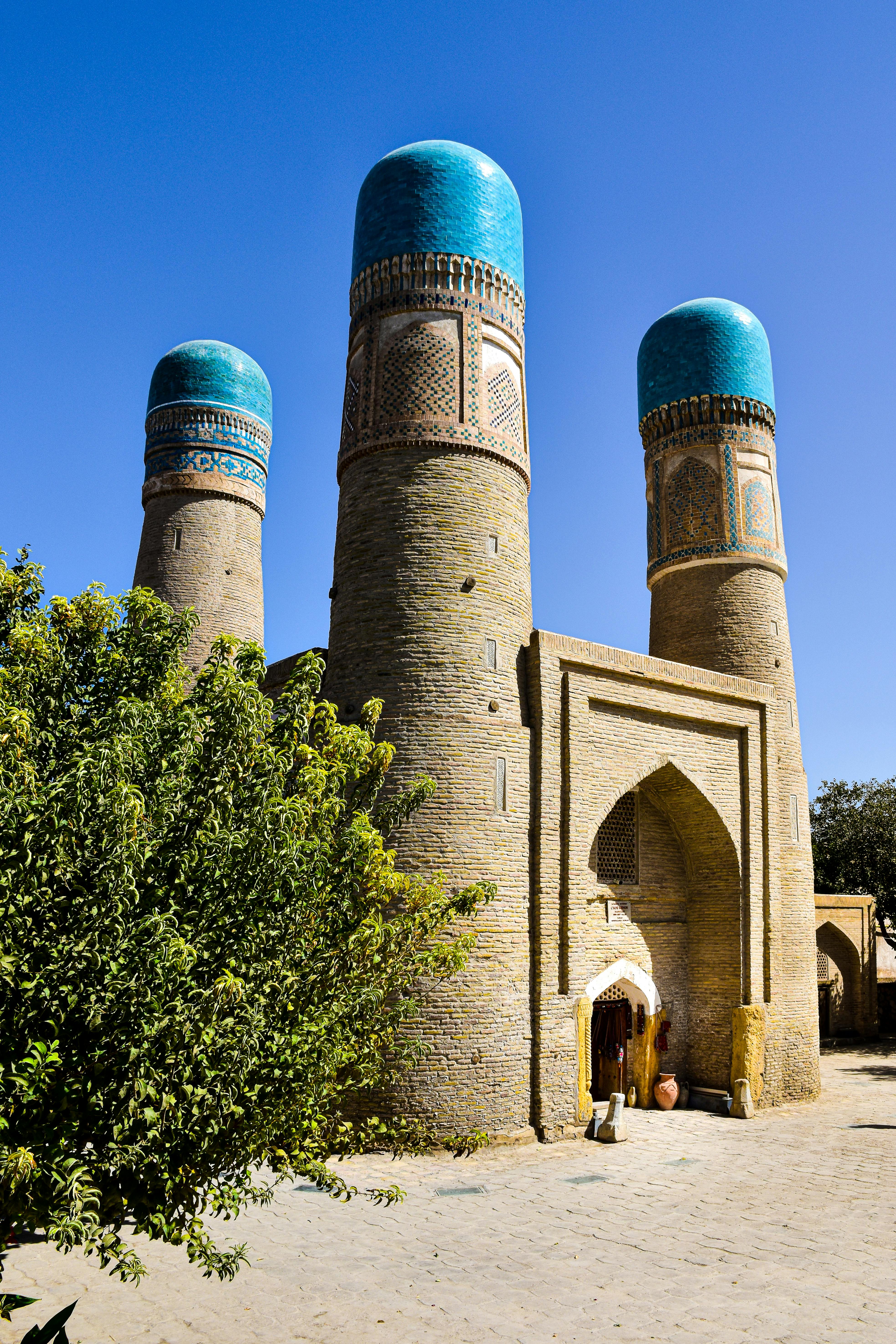
One last visit to Chor Minor is a good way to begin the day. Tucked away among residential streets, its four distinctive turquoise-topped towers feel very different from the grand complexes and monumental architecture elsewhere in the city. Finding it requires a little wandering, which somehow feels entirely appropriate in Bukhara.
The rest of the morning is best left deliberately unstructured. Browse the markets one final time, revisit any favourite corners of the Old City, and spend some time exploring the quieter alleys branching away from the main tourist routes. Bukhara is one of those rare places where getting slightly lost often leads to the most memorable discoveries.
As the afternoon begins to cool, make your way back towards Lyabi-Hauz. Find a seat overlooking the pond, order a tea, and permit yourself to do absolutely nothing for a while. The square comes alive in the early evening as families gather, friends meet after work, and travellers linger a little longer than they planned.
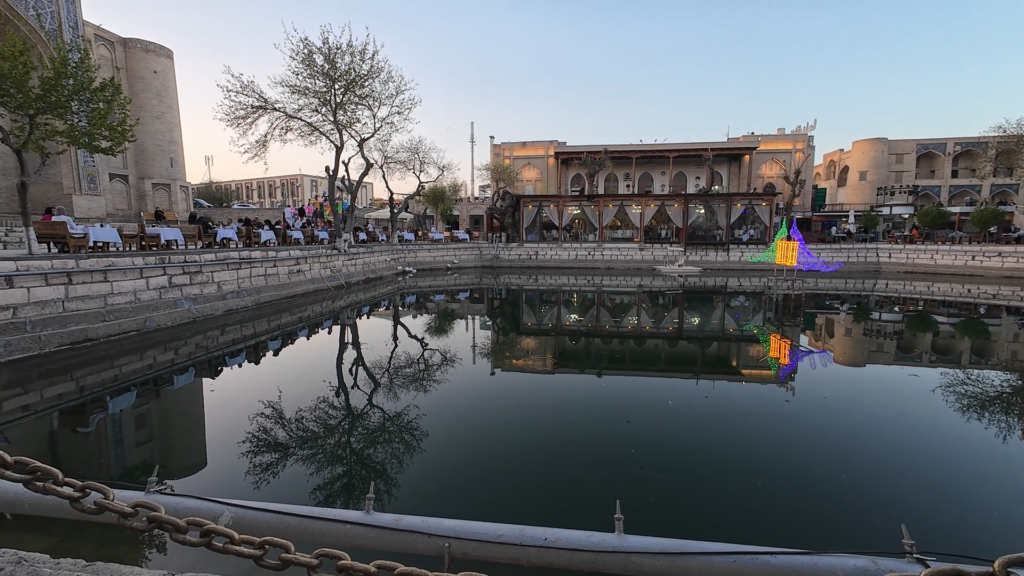
It is a fitting way to spend your last evening in Bukhara. After three days, the city no longer feels like a collection of attractions. Instead, it begins to feel like a place you have briefly been part of, which is perhaps the highest compliment I can give to any destination as an advocate for slow travel.
Day 8: Tashkent (Markets, Metro Stations, and One Last Look at Uzbekistan)
Most first-time visitors treat Tashkent as little more than a gateway to Samarkand and Bukhara. After spending a full day here at the end of my trip, I think that is a mistake.
Returning from Bukhara, spend your final day exploring Uzbekistan’s capital before your flight home. Unlike the historic cities further west, Tashkent feels modern, spacious, and distinctly different in character. It offers a useful contrast to the Silk Road architecture and ancient history that dominate much of the rest of the itinerary.
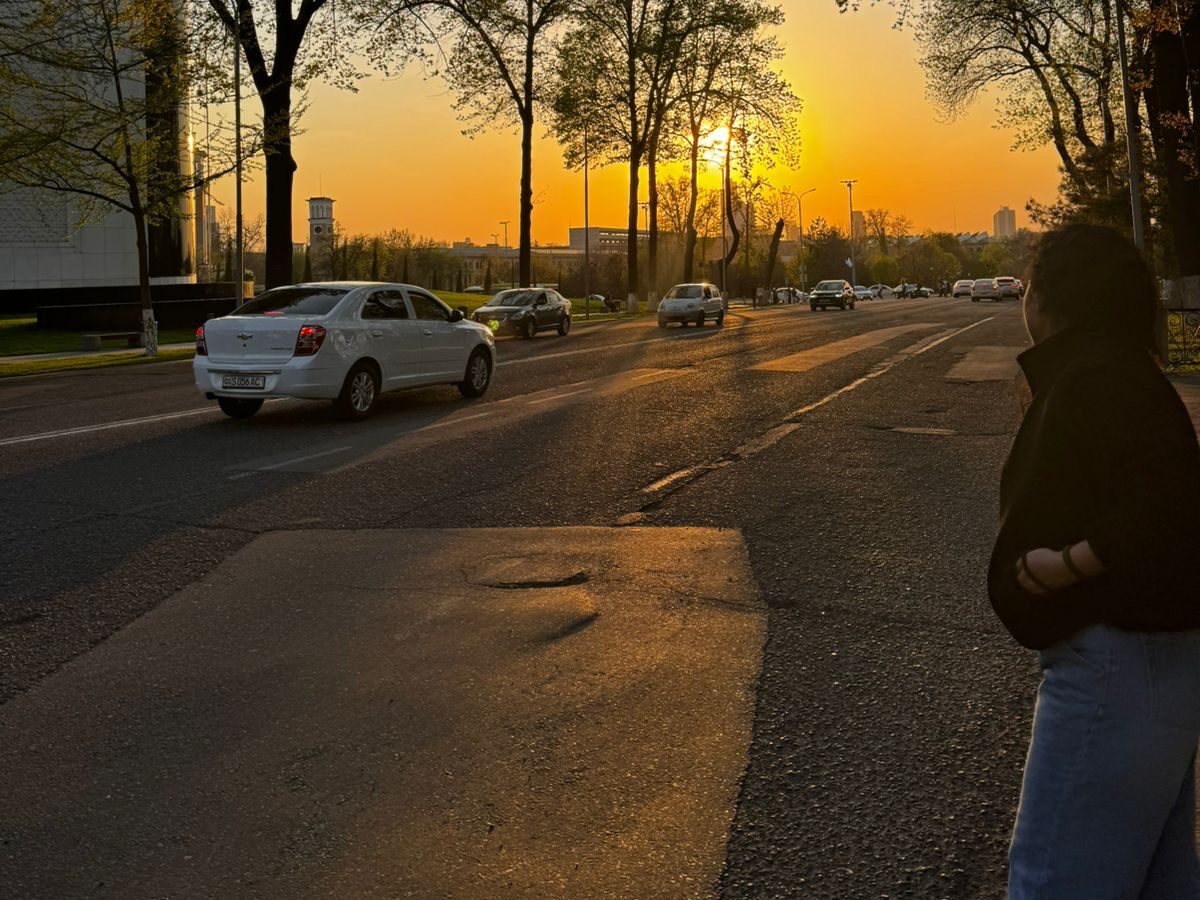
Start with a ride on the Tashkent Metro, which is often considered one of the most beautiful subway systems in the former Soviet Union. Several stations feel more like underground museums than public transport. Stations such as Kosmonavtlar, Alisher Navoi, and Mustaqillik Maydoni are attractions in their own right, featuring everything from Soviet space themes to marble halls and grand chandeliers. Even if you have no particular interest in trains or architecture, the metro is worth experiencing.
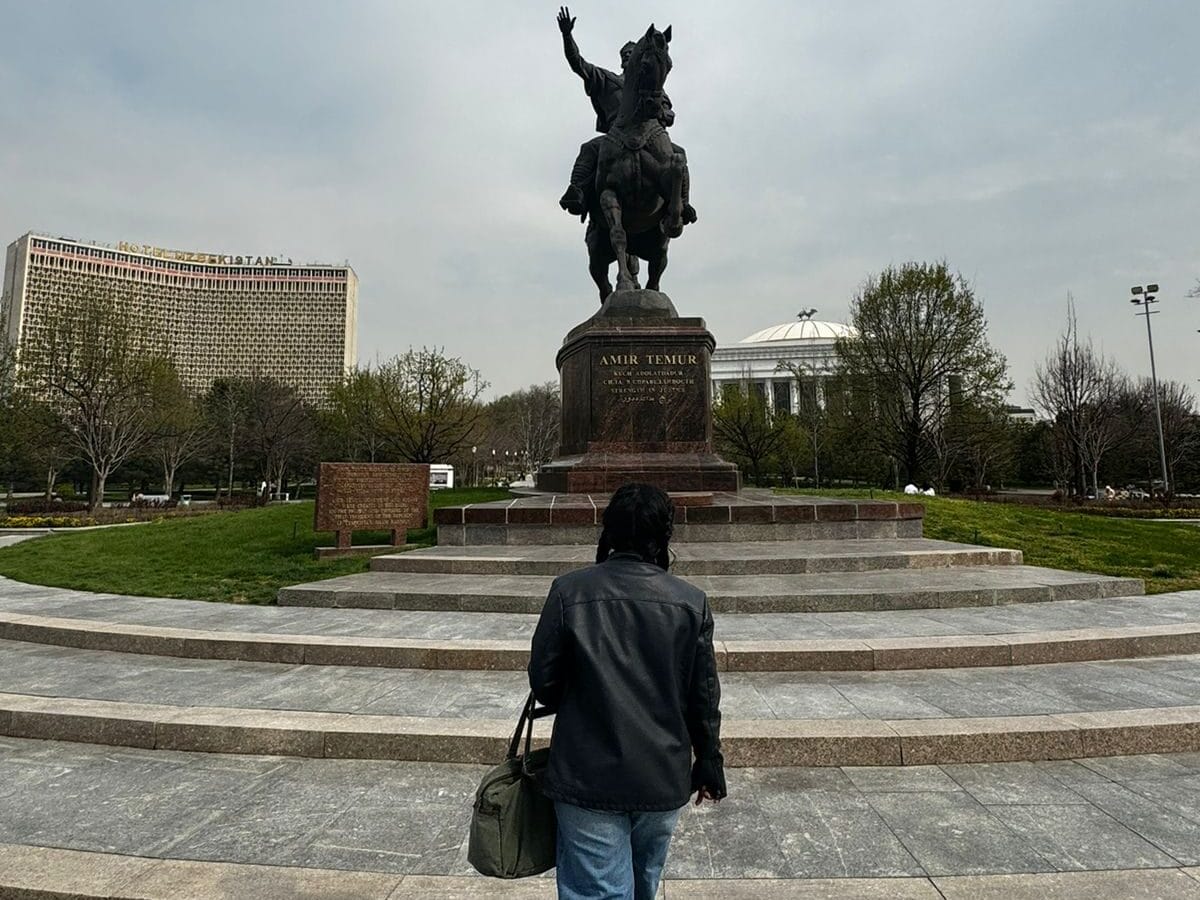
From there, head to Amir Temur Square, one of the city’s most recognisable landmarks. Surrounded by museums, hotels, and broad boulevards, it provides a glimpse into the more contemporary side of Uzbekistan and makes a pleasant place for a stroll.
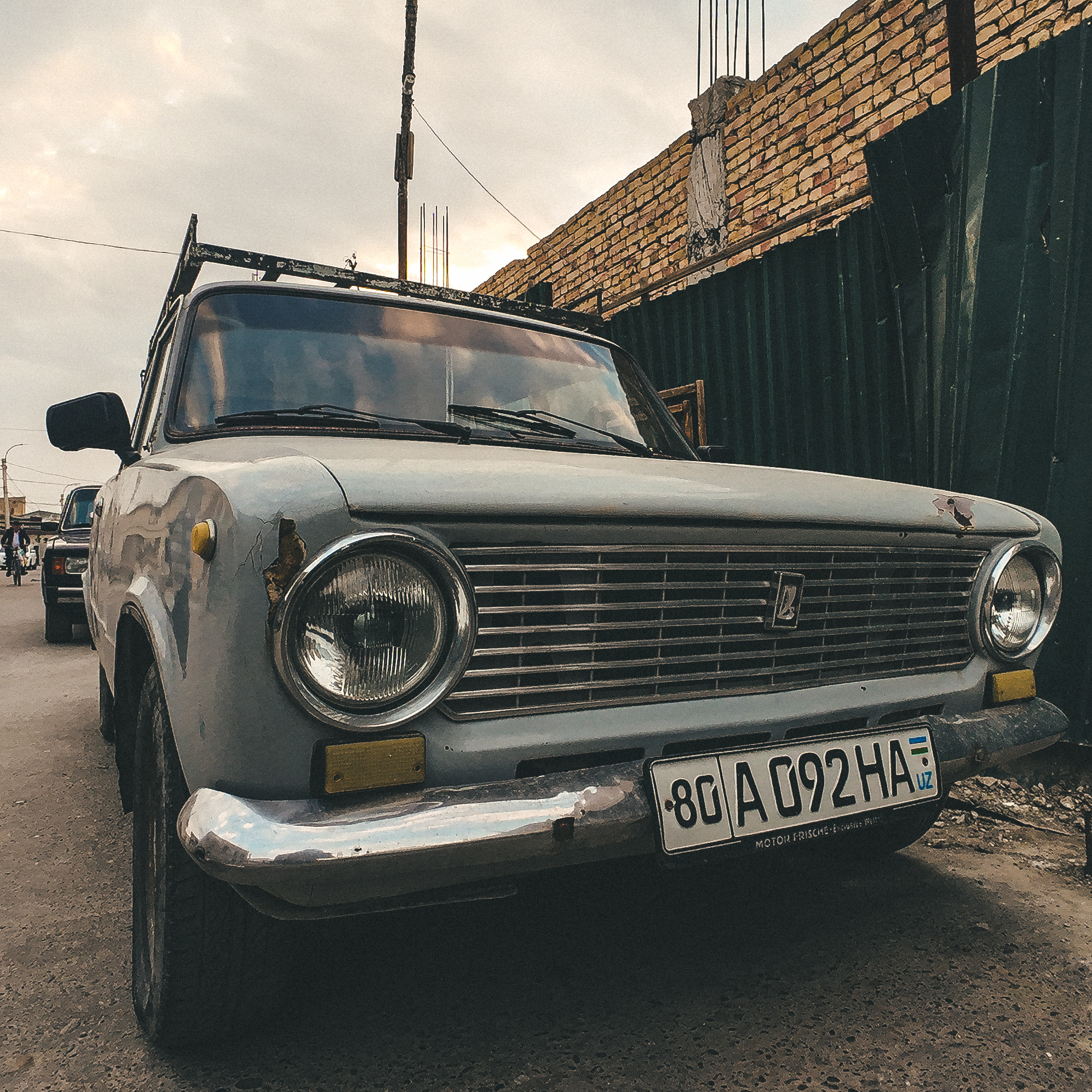
Later in the day, make your way to Chorsu Bazaar. While Samarkand and Bukhara offer historic markets filled with souvenirs and handicrafts, Chorsu feels much more local. Beneath its enormous blue dome, you’ll find fresh produce, spices, dried fruits, nuts, breads, and the everyday commerce that keeps the city moving. It is one of the best places in the country to observe daily life beyond the tourist trail.
If time allows, spend your final few hours wandering through the city centre, picking up any last-minute gifts, enjoying one final Uzbek meal, or simply reflecting on the journey before heading to the airport.
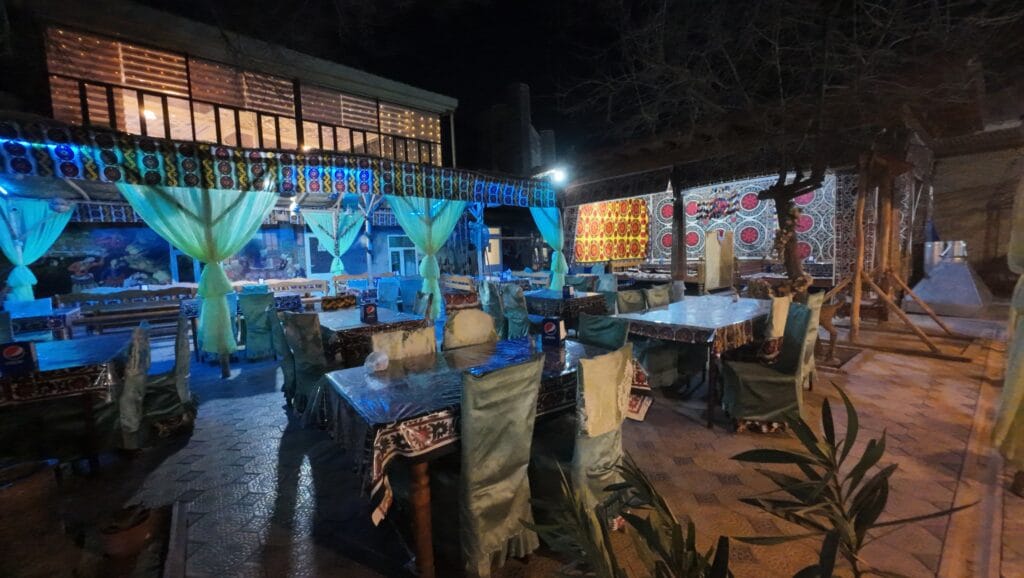
Tashkent may not have the immediate wow factor of Samarkand or the slower charm of Bukhara, but it offers something equally valuable: context. By the end of the trip, it helped me understand that Uzbekistan is not just a collection of historic monuments. It is also a modern, living country that continues to evolve while carrying its history with it.
Should You Visit Khiva on an 8-Day Uzbekistan Travel Itinerary?
This is probably the question I was asked most while planning my trip.
Almost every Uzbekistan travel itinerary online includes Khiva, often alongside Tashkent, Samarkand, and Bukhara. On paper, that makes perfect sense. Khiva is one of the country’s most famous Silk Road cities and by all accounts, a beautiful one.
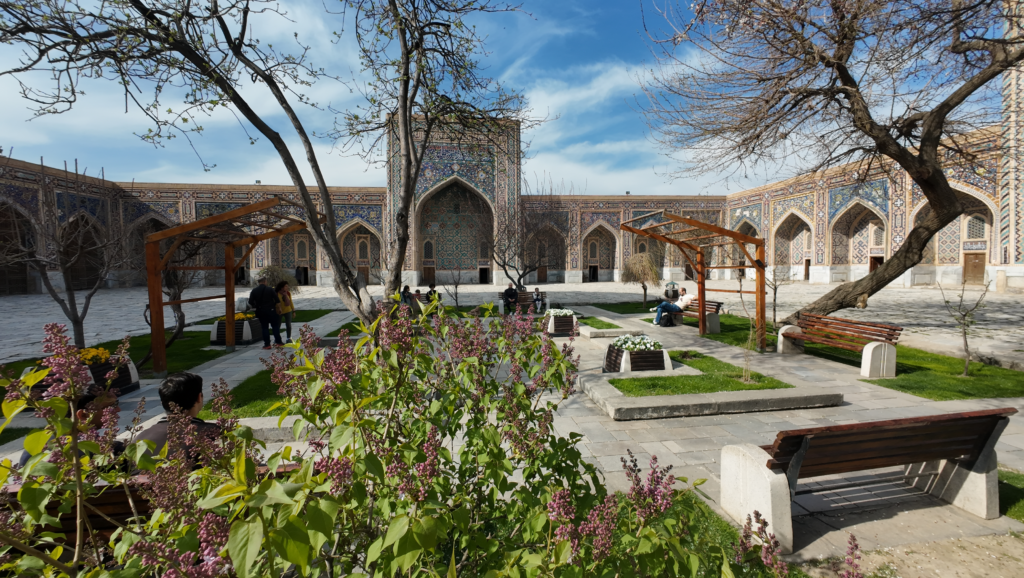
So why didn’t I go? The simple answer is time.
With only eight days available, I didn’t want to spend the trip constantly moving from one city to the next. More importantly, I didn’t want to give Samarkand, Bukhara, or Khiva a rushed one-night visit simply so I could say I had seen everything.
Instead, I chose to focus on three destinations and experience them more deeply.
Looking back, I have no regrets.
Three nights in Samarkand gave me enough time to go beyond the Registan and explore the city at a slower pace. Three nights in Bukhara allowed me to do something many travellers never get around to doing there: slow down. By my final day, I wasn’t rushing between monuments. I was sitting by Lyabi-Hauz with a pot of tea, wandering through markets, and enjoying the rhythm of everyday life.
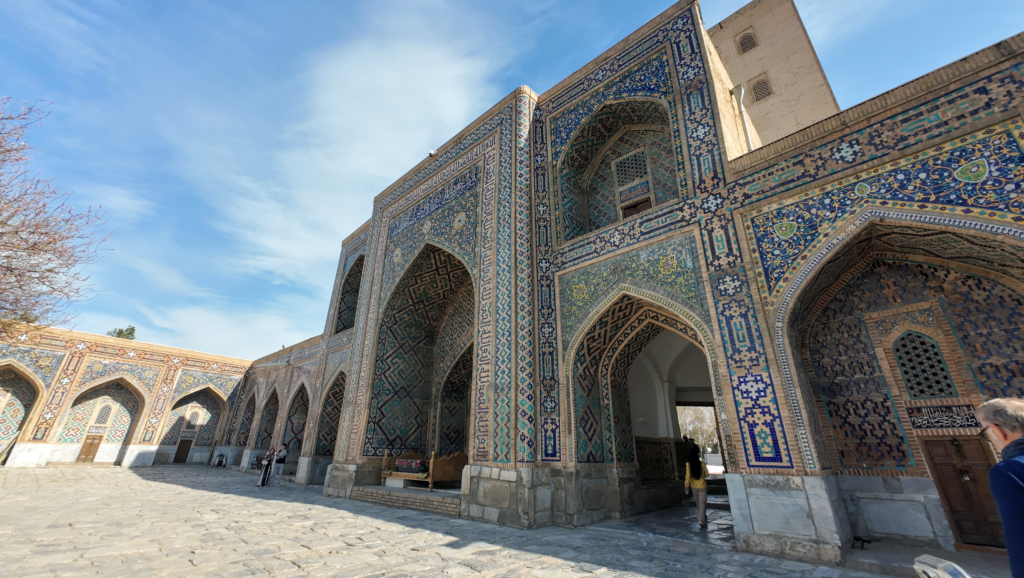
Could I have squeezed Khiva into this itinerary?
Probably.
Would the trip have felt better because of it?
For me, no.
That said, if this is likely to be your only visit to Uzbekistan and you can add two or three extra days, I would absolutely consider including Khiva. Everything I have heard suggests it is a fascinating destination and deserves more than a rushed overnight stop.
For travellers who only have eight days, however, I believe this Tashkent, Samarkand, and Bukhara itinerary offers a better balance between seeing the highlights and actually experiencing them.
👉 Must read: What Uzbekistan Really Cost Me
Know Before You Go
A few practical things worth knowing before following this Uzbekistan travel itinerary:
- Book trains early. Afrosiyob tickets can sell out weeks in advance during spring and autumn. If your dates are fixed, don’t leave it until the last minute.
- Download Yandex Go. It is the local taxi app and removes the need for fare negotiations. Reliable, affordable, and easy to use.
- Bring Google Translate. English is limited outside hotels and tourist areas. People are friendly and willing to help, but a translation app makes life much easier.
- Carry some cash. The Uzbek Som (UZS) is still king for markets, taxis, and smaller cafés. ATMs are widely available.
- Get connected. An eSIM is the easiest option if your phone supports it. Otherwise, local SIM cards are available at Tashkent Airport and throughout the major cities.
- Dress modestly. Covering shoulders and knees is appreciated at mosques, mausoleums, and religious sites.
- Wear comfortable shoes. You will walk far more than you expect in both Samarkand and Bukhara.
- Travel in spring or autumn. April to June and September to early November generally offer the best weather for sightseeing. I visited in early April and would happily do it again.
- Leave room for spontaneity. Some of my favourite moments happened between the landmarks rather than at them.
Final Thoughts on This Uzbekistan Travel Itinerary
Uzbekistan ended up being far easier, more affordable, and more rewarding than I expected.
Over eight days, I explored grand Silk Road cities, travelled between them on comfortable high-speed trains, ate far too much pilaf, and discovered a part of the world that still feels surprisingly overlooked by many travellers.
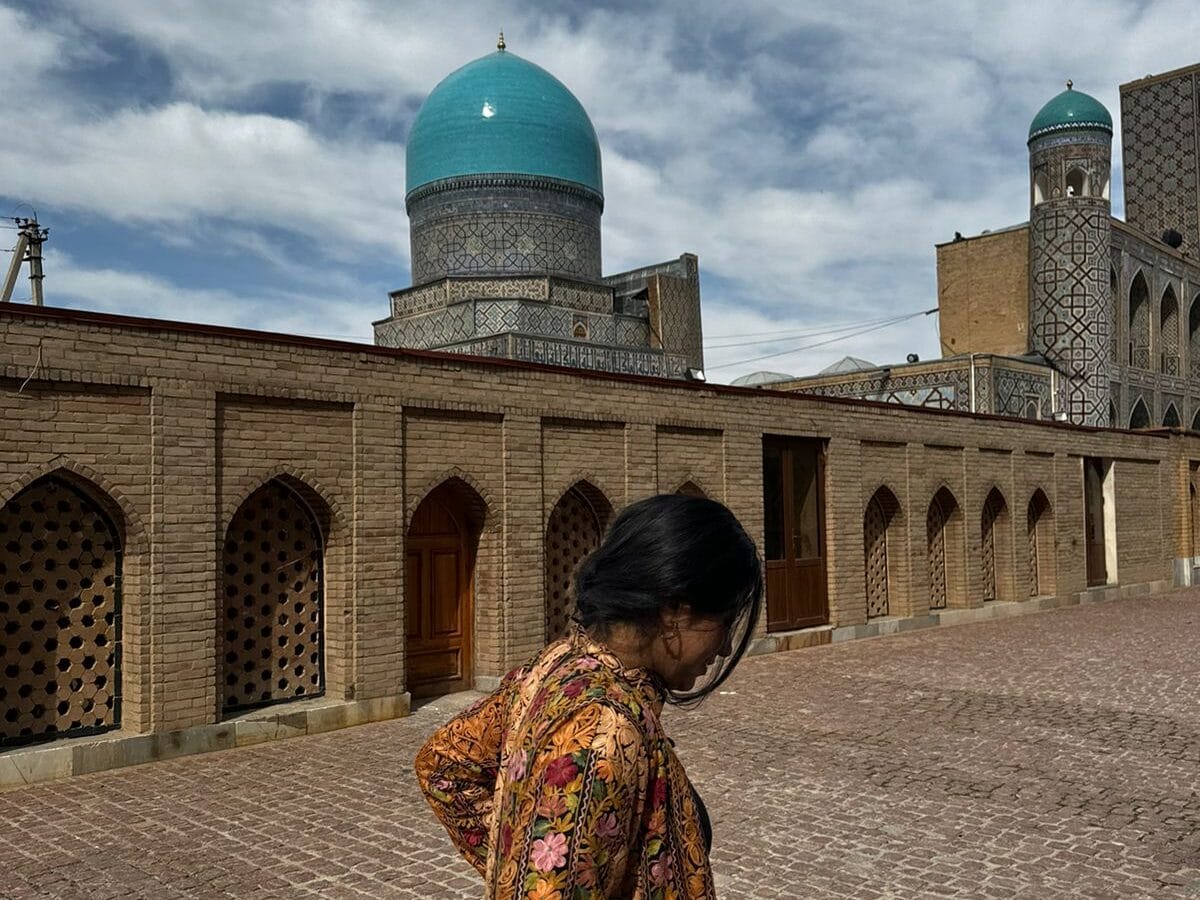
This itinerary won’t be for everyone. If your goal is to see as many destinations as possible in the shortest amount of time, you will probably want to move faster and squeeze Khiva into the mix. For me, however, spending three nights each in Samarkand and Bukhara was the right decision. It gave me enough time to see the major sights while still leaving room for markets, tea breaks, unexpected discoveries, and the occasional afternoon with no real plan at all.
If you’re looking for a Uzbekistan travel itinerary that balances history, culture, affordability, and a slower pace of travel, I would happily recommend this route. It gave me a meaningful introduction to Central Asia, and I suspect it won’t be my last visit.
Planning Your Trip?
My Uzbekistan collection now includes destination guides, train travel resources, budget breakdowns, and practical planning advice based on my own experience travelling through the country. I will continue updating it over time as I learn more and hopefully return to explore other parts of Uzbekistan in the future.
If you have a question about visas, recommendations, or anything else I haven’t covered here, feel free to leave a comment below. I read every one of them and am always happy to help if I can.
You can also connect with me on Instagram if that’s easier.
And finally, if this guide helped you plan your trip or simply made Uzbekistan feel a little less intimidating, consider sharing it with someone else who might enjoy travelling a little more slowly.