Note: This post contains affiliate links. If you book through them, I may earn a small commission at no extra cost to you. I only recommend things I have personally used or genuinely believe in.
I’m writing this at the beginning of July, sitting in my humble teachers’ quarters near Khao Yai as a solid grey sky does what it’s been doing all week – building up, waiting, and then absolutely dumping rain for an hour before clearing just enough to make the air smell like wet earth and cut grass. I have lived in Thailand during monsoon season for nearly four years. Every year, I watch the same two types of travellers arrive – the ones who checked the forecast and got stressed, and the ones who packed a light rain jacket and got on with it. The second group always has a better time.
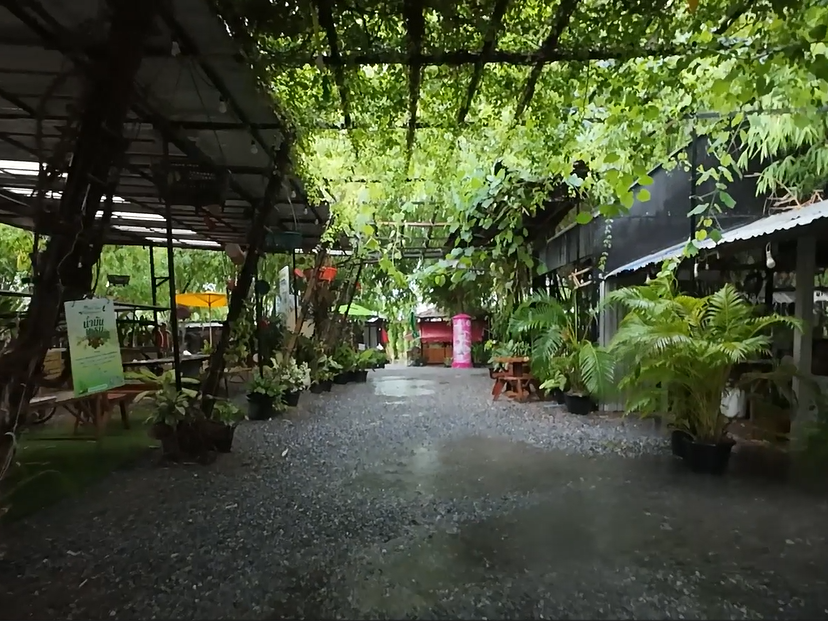
Thailand in the monsoon is not a consolation prize. It’s a different version of the same country, and in many ways, the more interesting one, at least for budget-conscious, slow travellers like yours truly!
Thailand During Monsoon Season: An Overview
The quick facts, if that’s all you need:
- Monsoon season: May to October across most of Thailand
- Peak rainfall months: August and September
- Regions least affected: Gulf Coast islands (Koh Samui, Koh Phangan, Koh Tao), parts of the northeast
- Regions most affected: Andaman Coast (Phuket, Krabi, Koh Lanta) and far east (Trat, Koh Chang, Koh Kood)
- Rain pattern: Mostly short, heavy afternoon showers, not all-day downpours
- Temperature: 25°C to 32°C throughout the season
- Crowd levels: Low season, prices drop, and tourist sites thin out considerably
- Ferry and road disruptions: Possible during heavy storms, especially from August to October
If you just needed the basics, you have them. But if you want to know how the rain actually feels across different parts of the country, where to go, what to pack, and how to make this season genuinely work for you, read on.
What Is the Monsoon in Thailand, Actually?
Thailand’s rainy season is driven by the Southwest Monsoon, a system of warm, moisture-heavy winds that sweep in from the Indian Ocean across the Andaman Sea from around May each year. This brings the bulk of the country’s annual rainfall. In October, the wind shifts to the Northeast Monsoon, which then brings rain to the Gulf Coast side of southern Thailand through November and December.
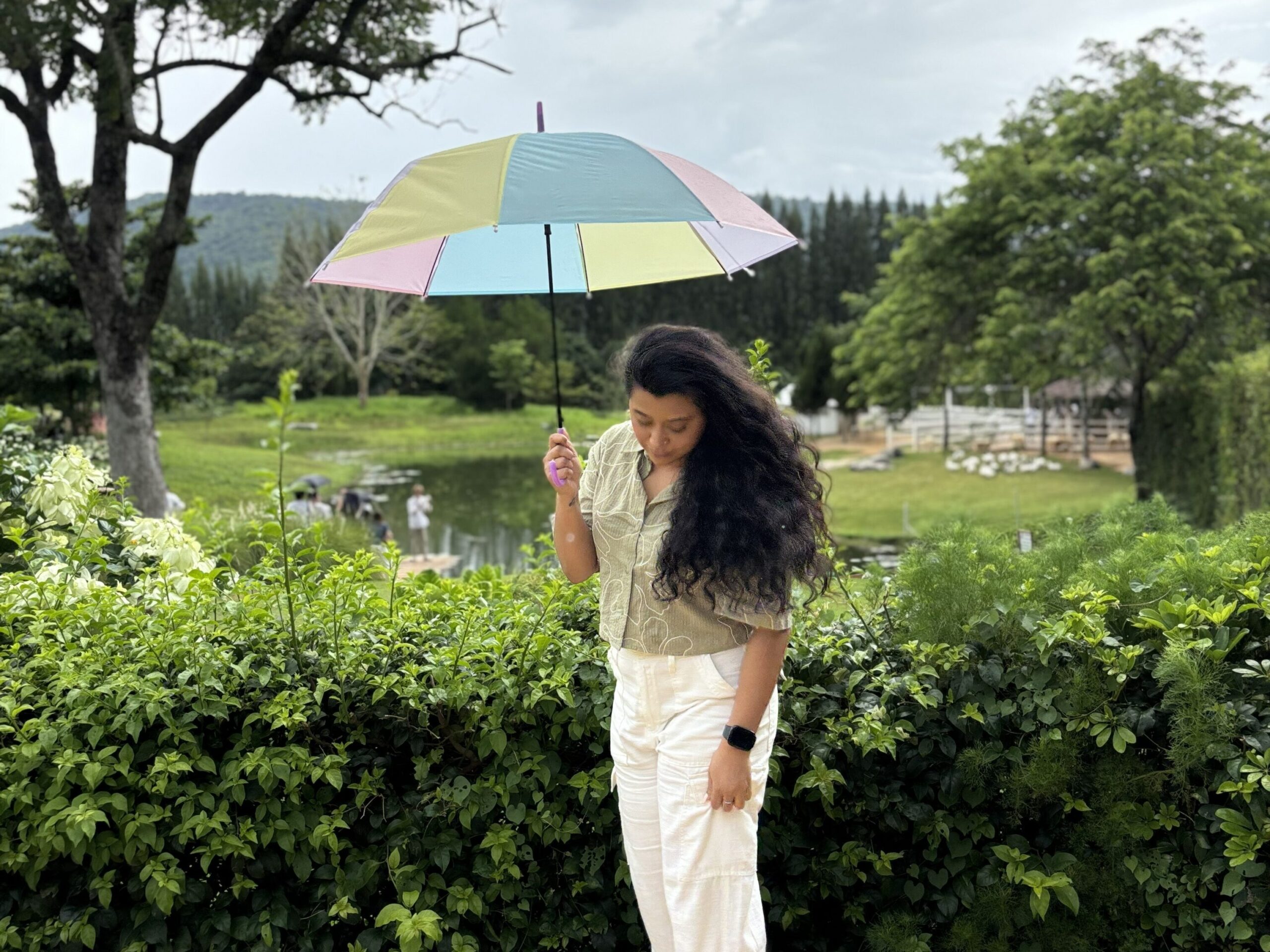
What this means practically: not all of Thailand rains at the same time, or in the same way. The country is long and varied enough that you can often find dry or drier pockets if you know where to look.
The rain itself tends to follow a predictable pattern in most parts of the country. Mornings are usually clear or partly cloudy. By early afternoon, the humidity builds. Then, somewhere between 2 and 5 PM, the sky opens up, it pours hard for anywhere from fifteen minutes to a couple of hours, and then it clears. Some days are wetter than others. August and September are the most intense months. But the idea of weeks of grey, relentless rain? That’s mostly a myth in most parts of Thailand.
How the Monsoon Hits Each Region Differently
This is probably the most useful thing to understand before you plan a monsoon trip. Where you go matters a lot more than when you go.
Northern Thailand (Chiang Mai, Chiang Rai, Pai)
Rainy season: June to October, with August and September being the wettest
The north gets a solid monsoon, but less intense than the south’s. Chiang Mai sits in a mountain valley, and the rain keeps things green, cool, and genuinely beautiful. Waterfalls are at full force. Rice paddies are lush. The city itself functions normally: temples, markets, cafés, and most day trips continue without issue. The main thing to watch is flooding in low-lying areas during particularly heavy spells in September and October.
👉 Must-read: Why Slow Travellers Fall in Love with Chiang Mai
Central Thailand (Bangkok, Ayutthaya, Khao Yai)
Rainy season: June to October, peaking in September
Bangkok gets its heaviest rain in September, but even then, the rain usually concentrates in the late afternoon and evening. I live near Khao Yai, and the national park during the monsoon is something else entirely: full waterfalls, thick mist in the mornings, and a greenness that the dry season never delivers. Bangkok floods occasionally in bad years, mostly in lower-lying neighbourhoods, but the main tourist areas manage well. Ayutthaya’s ruins in the rain are honestly beautiful.
Northeast Thailand / Isan
Rainy season: May to October, generally less intense
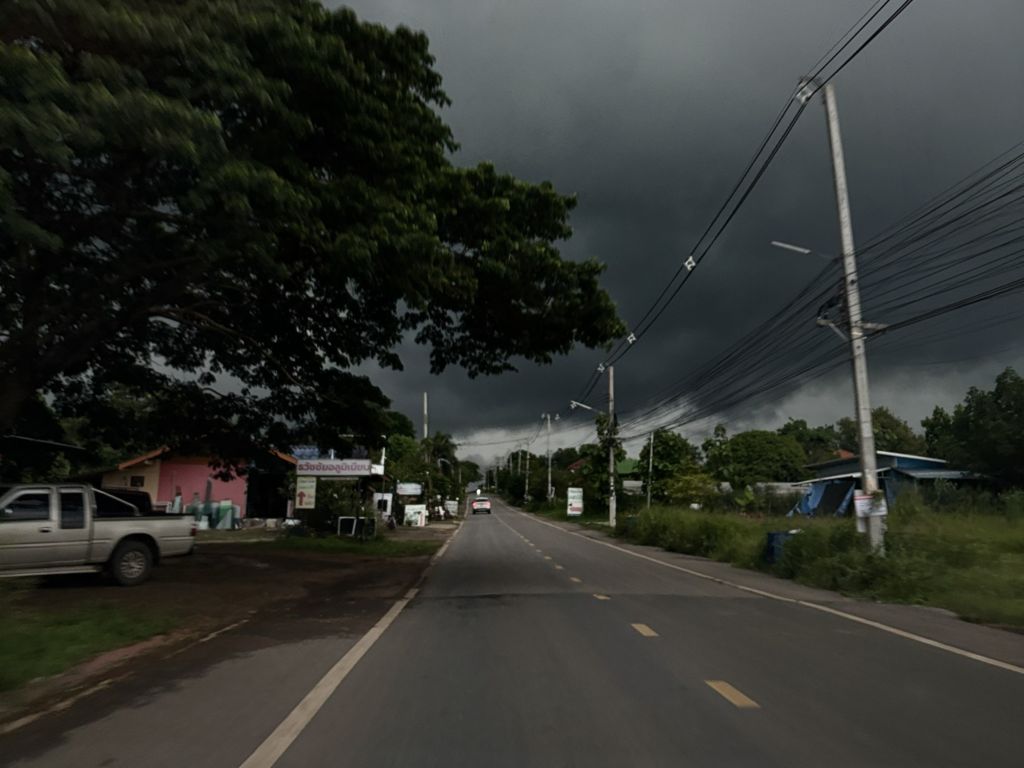
Isan doesn’t get the dramatic storms that hit the coasts. The rain here is steadier and more agricultural in feel. It’s not the most visited region at any time of year, but the monsoon turns the plateau lush and makes it a surprisingly rewarding off-season destination for travellers who want to see a very local, unhurried Thailand.
Gulf Coast Islands (Koh Samui, Koh Phangan, Koh Tao)
Southwest monsoon impact: Low, June to September
Northeast monsoon impact: High, October to December
This is the counterintuitive one that most travellers miss. While the rest of Thailand deals with the Southwest Monsoon, the Gulf Coast islands sit sheltered from it. Koh Samui, Koh Phangan, and Koh Tao have relatively dry weather from June to September, which makes them solid monsoon-season bets.
The catch: they get hit hard by the Northeast Monsoon from October onwards, when the rest of the country is drying out. So the Gulf islands are a good call in the middle months of monsoon season, not the end.
Andaman Coast (Phuket, Krabi, Koh Lanta, Khao Sok)
Rainy season: May to October, heaviest June to September
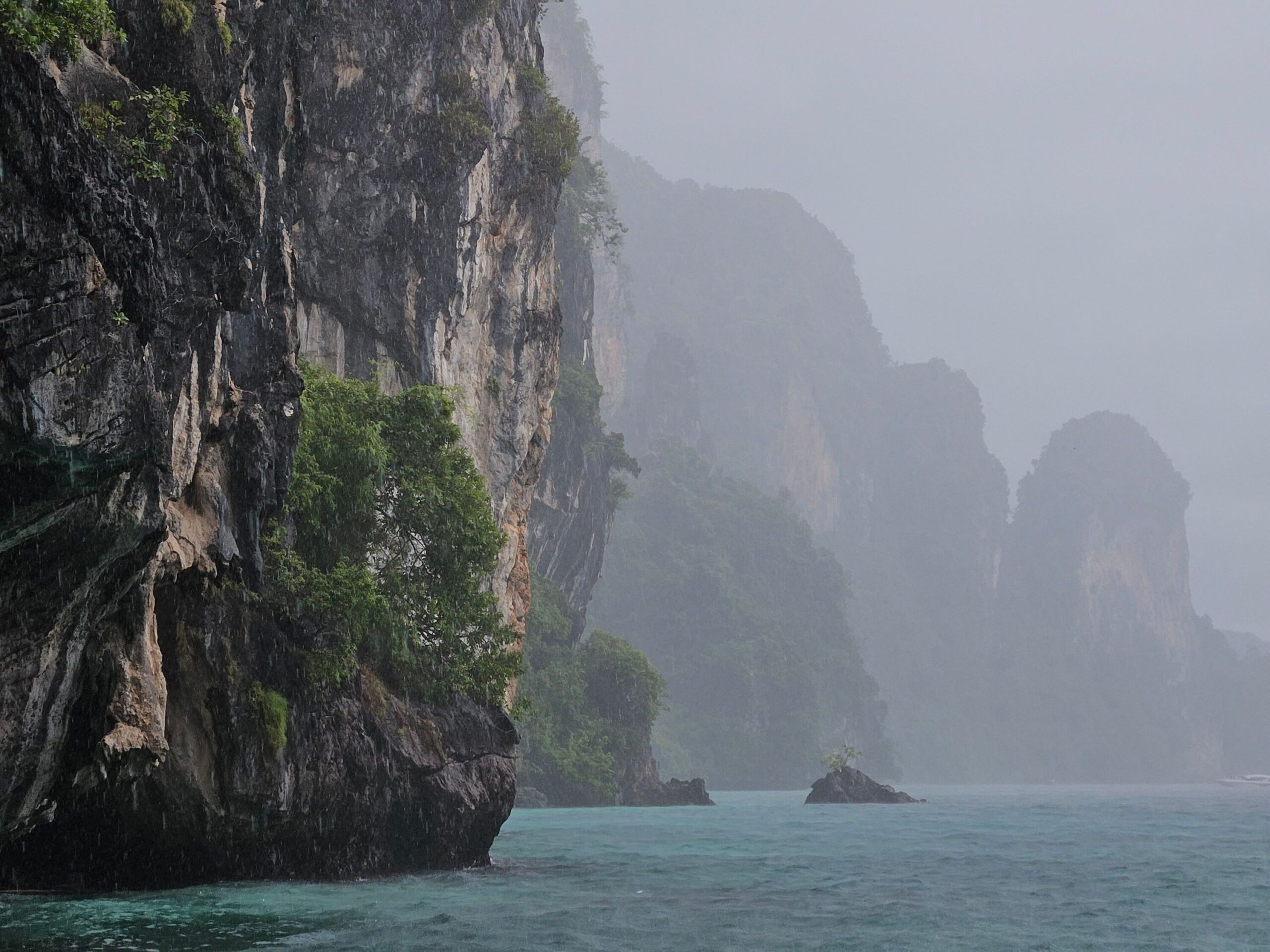
The Andaman Coast takes the Southwest Monsoon head-on. Phuket and Krabi during the peak months can have rough seas, cancelled boat trips, and genuinely heavy rain. Some resorts close during the deepest low season. That said, this is also when Khao Sok National Park is at its most dramatic. The lake is full, the waterfalls roar, and the jungle is intensely green. If you’re going to the Andaman during monsoon, adjust your expectations from a beach holiday to jungle and culture.
Eastern Gulf (Koh Chang, Koh Kood, Trat, Pattaya, Koh Samet)
Rainy season: May to October for most of this region
The eastern coastline follows a similar pattern to the Andaman, with the wet season running from May to October. Koh Chang and Koh Kood can get heavy rain, especially in the height of the season. Koh Samet and Pattaya, interestingly, sit in a rain shadow and receive considerably less rainfall than nearby areas, making them something of a quiet season anomaly.
What to Expect Day to Day
A few honest notes on what the monsoon actually looks like on the ground:
It is rarely all-day rain. In most parts of Thailand, most of the time, the monsoon delivers heavy afternoon bursts rather than persistent grey days. Mornings are usually workable, sometimes beautiful.
It is hot and humid. Don’t expect the rain to cool things down much. Temperatures sit between 25°C and 32°C, and the humidity is real. Light, breathable fabrics are highly recommended.
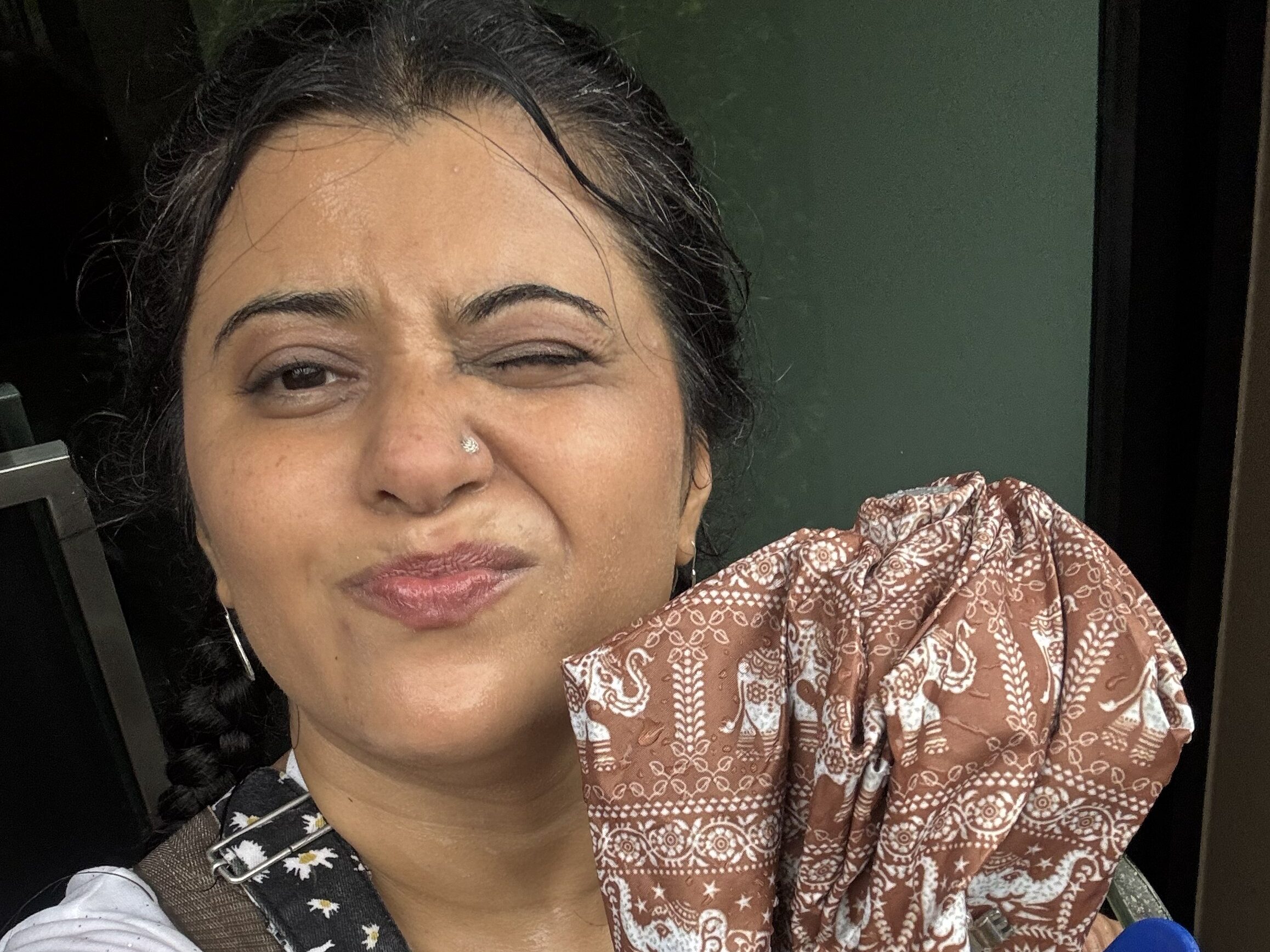
Transport can be affected. Ferries to islands do cancel in rough weather, especially in August and September. Build flexibility into your plans. If you’re island-hopping, give yourself a buffer day at either end.
Prices are lower. This is legitimately true! Accommodation in beach destinations, especially, drops during low season, sometimes significantly. Fewer tourists also mean shorter queues, less crowded temples and markets, and a generally more relaxed atmosphere.
The countryside is extraordinary. If you have any interest in nature, national parks, or rural Thailand, the monsoon is actually the best time to see it. Everything is green, waterfalls are running, and rice paddies are mirrored and full. Khao Yai, Doi Inthanon, Khao Sok National Park, and other such green spots in the country hit differently in the rain.
What to Pack for Thailand During Monsoon Season
You don’t need to overpack for this. Thailand has 7-Elevens and pharmacies on practically every corner, so if you forget something, you’ll find it.
The essentials:
- A compact, packable rain jacket (not an umbrella; umbrellas are useless in heavy tropical rain and a nuisance the rest of the time)
- Quick-dry clothes; fabrics that stay wet for hours are miserable in this humidity
- Waterproof sandals or shoes you don’t mind getting soaked
- A dry bag or waterproof pouch for your phone and documents
- Insect repellent; standing water means more mosquitoes
- A small, packable daypack that closes properly
Leave at home:
- Heavy boots or shoes that take days to dry
- Anything white that you’d mind getting splashed on
- Multiple layers; you will not be cold (unless you go far north – in that case, bring a jacket for sure or buy one here)
Nice to have:
- A light long-sleeved layer for air-conditioned buses and restaurants, which are aggressively cold year-round regardless of season
- A dry bag for a larger backpack if you’re doing overnight trips
Monsoon Travel Do’s and Don’ts
Do:
- Plan outdoor activities for mornings and leave afternoons flexible
- Check sea and weather conditions before booking island ferries, especially from August to October
- Book accommodation in advance, even in low season; the best places still fill up
- Use apps like Windy or Rain Alarm to track incoming storms in real time
- Embrace it when it rains; getting caught in a Thai monsoon downpour at least once is practically a rite of passage
Don’t:
- Ride a motorbike on mountain roads in heavy rain; roads get slick fast, and accidents spike during the wet season
- Dismiss flooding warnings; flash floods in hilly or low-lying areas can move fast
- Assume all of Thailand is equally wet at the same time; the regional differences matter
- Over-plan your itinerary; flexibility is more useful than a packed schedule during the monsoon
- Panic if a ferry or bus gets delayed; it happens, it passes, and it’s rarely as dramatic as it first seems
Where to Go in Thailand During Monsoon Season
Bangkok
Best months: June to October (manageable throughout)
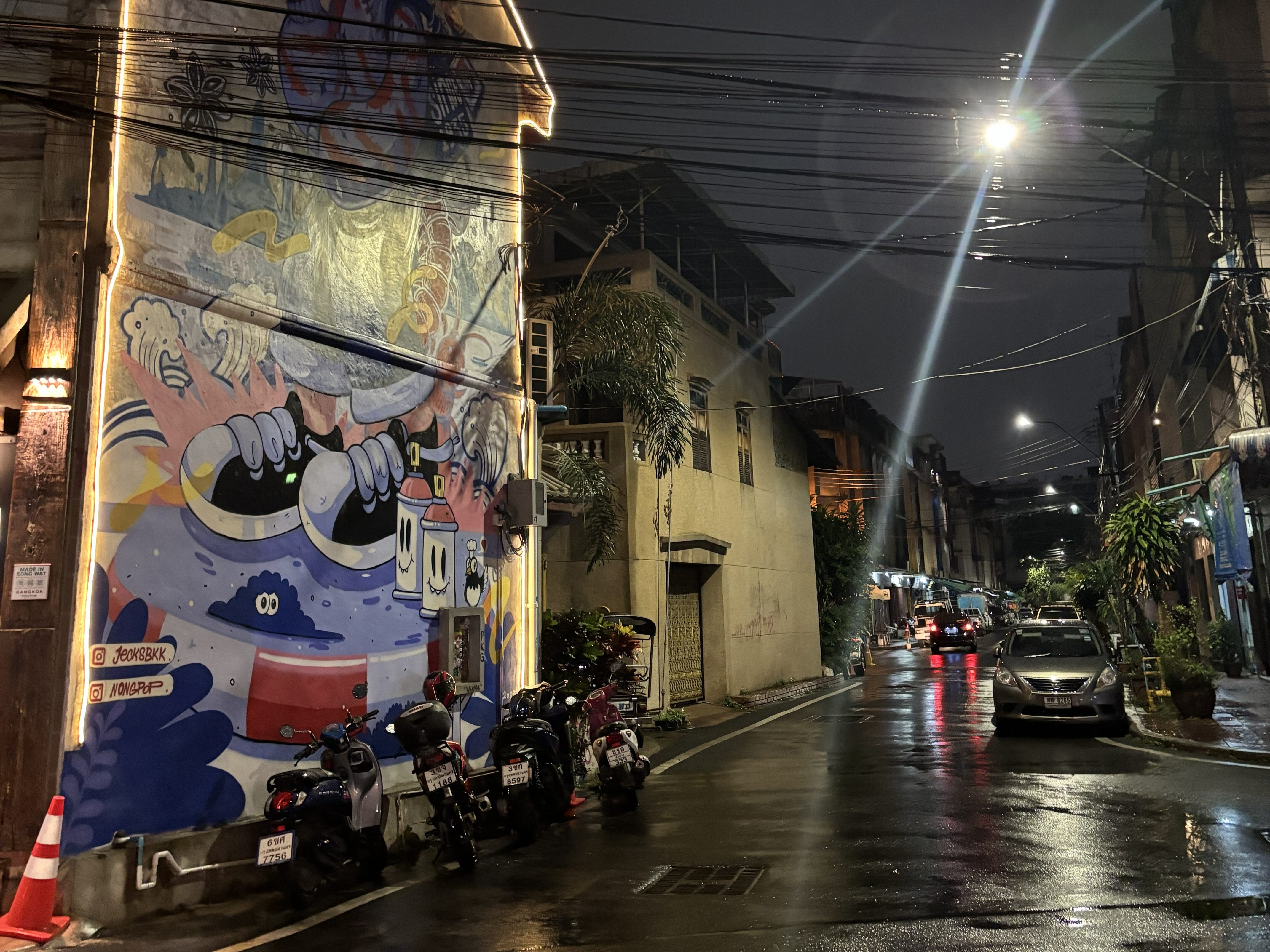
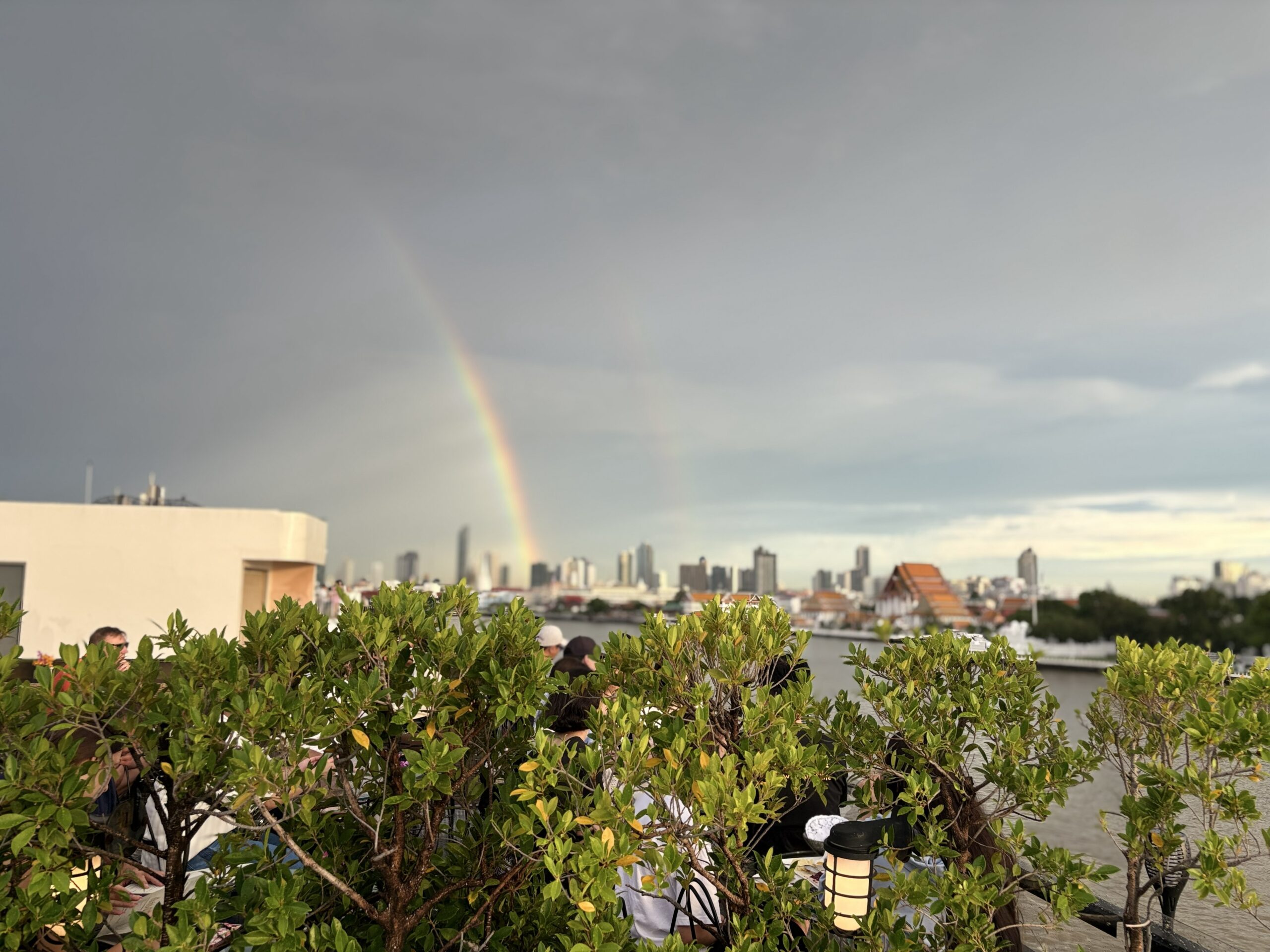
Bangkok during the monsoon is Bangkok with fewer tourists and more dramatic skies. The temples, markets, museums, and food are exactly as good as they are in high season, and you’ll share them with considerably fewer people. The floating markets are genuinely fun in light rain. The main issue is the occasional flooding of certain streets in September, easily navigated with a bit of local knowledge and sensible footwear.
What works well: temple visits in the morning, museums and galleries when rain hits hard, canal boat trips, cooking classes, neighbourhood wandering in areas like Song Wat and Talat Noi.
👉 Must-read: Hidden Bangkok: A 72-Hour Guide to the Old City
Chiang Mai
Best months: June to early September (before the heaviest September rains)
Chiang Mai is one of the best monsoon destinations in Thailand. The city functions fully, the café culture is year-round, and the surrounding mountains are at their most beautiful when everything is green. July is probably the sweet spot: solid monsoon atmosphere, manageable rain, waterfalls worth visiting, and none of the flooding risk that comes in September.
What works well: Old City wandering, day trips to waterfalls like Huay Kaew or Mae Sa, café culture, markets, cooking classes, Elephant Nature Park (which operates year-round)
Khao Yai
Best months: June to October
I live near Khao Yai, and the monsoon season here is my favourite time of year in Thailand. The national park is spectacular: Haew Narok waterfall, one of the most impressive in the country, is at full force. Wildlife sightings can actually improve as animals come out in the early mornings and cooler evenings. The area’s farm cafés and countryside drives feel even better when the hills are green and misty. It is genuinely one of the most beautiful versions of Thailand I know.
What works well: national park day trips (book ahead; the park limits daily visitors), nature walks in the mornings, countryside drives, local markets, the café cluster around the park entrance
Ayutthaya
Best months: June to October
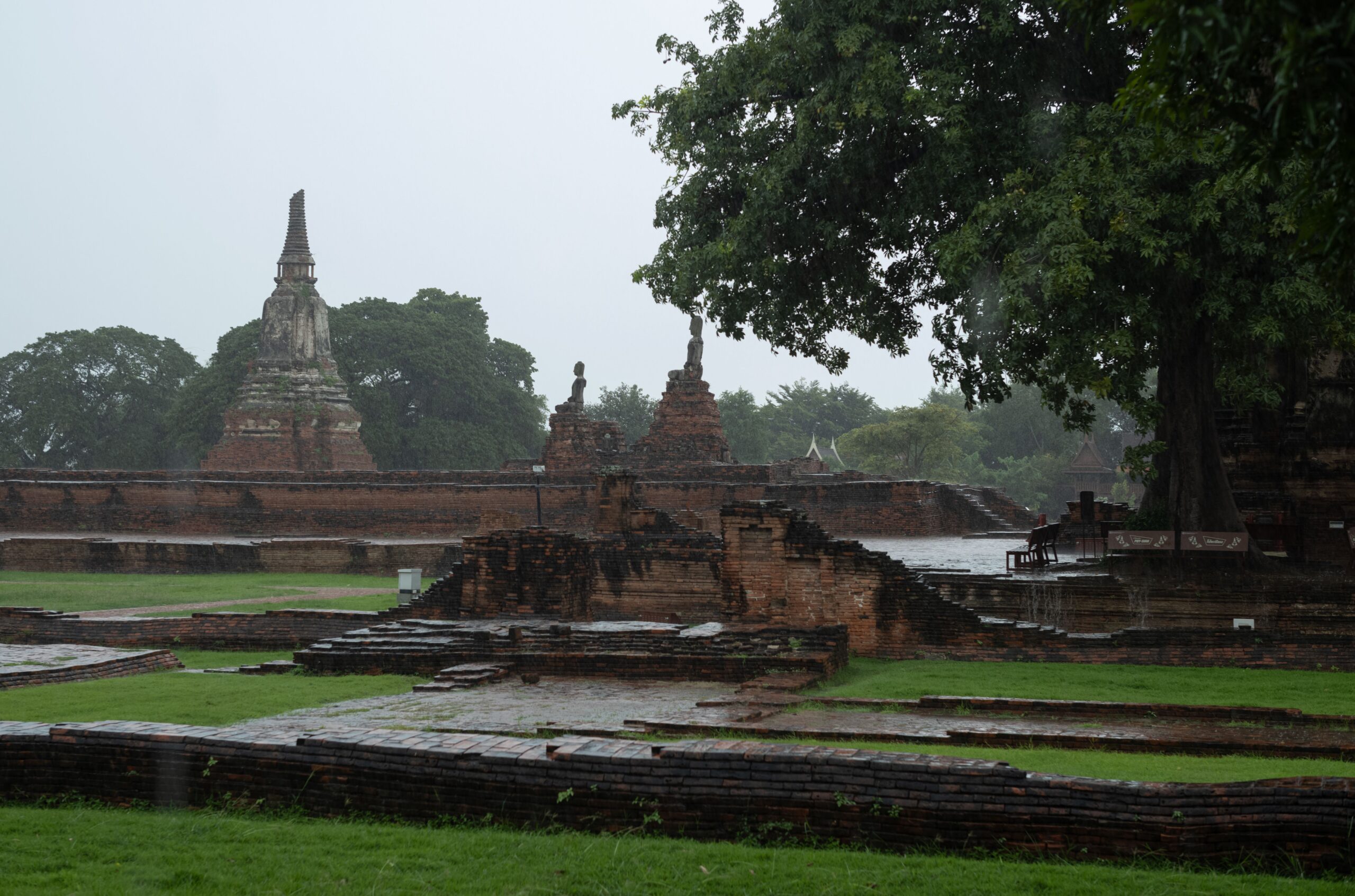
Ayutthaya in the rain is something photographers would plan a trip around if more people knew about it. The ancient ruins reflected in flooded ground after a heavy shower, mist around old brick chedis, the river full and dark: it’s atmospheric in a way it simply isn’t in dry season. Cycle tours still run, and the town is quiet in a way that makes it easy to spend an unhurried day.
What works well: cycling through the ruins, boat trips on the river, quiet temples with very few other visitors
Koh Samui, Koh Phangan, Koh Tao
Best months: June to September (before the northeast monsoon arrives in October)
The Gulf islands are the open secret of the monsoon season in Thailand. While everyone avoids the country because they assume it’s raining everywhere, these islands are having some of their best weather. Sea conditions are generally calmer than in the Andaman, dive visibility stays good around Koh Tao, and the beaches are quiet. If you are heading to the islands during monsoon and want a relatively safe weather bet, the Gulf side is it.
What works well: diving around Koh Tao, beach time on Koh Samui’s east coast, Koh Phangan for something quieter than its Full Moon reputation, island-hopping with ferry connections that are generally reliable in these months
Khao Sok National Park
Best months: July to October
Khao Sok is technically on the Andaman side, and it does rain, but it’s one of those places where the rain is actually the point. The Cheow Lan Lake, surrounded by limestone karsts draped in thick jungle, is most dramatic when the water level is full, and the mist sits low in the mornings. Floating bungalows on the lake are available and are exactly as spectacular as they look. Jungle trekking, kayaking, and wildlife spotting all continue through the season, though you will get wet.
What works well: floating bungalows on Cheow Lan Lake, jungle trekking at dawn before the afternoon rain, kayaking, wildlife spotting (hornbills, gibbons, and if you’re lucky, elephants)
Hua Hin
Best months: June to August (before the heavier September and October rains)
Hua Hin sits on the Gulf of Thailand side, south of Bangkok, which means it stays relatively sheltered during the early monsoon months. September and October are when the heavier rain hits here, but June to August offers a reasonable balance: warm, quieter than high season, with the beaches and the town still fully accessible. It’s one of those places that just works at a slower pace, and the monsoon shoulder months don’t change that.
What works well: early morning beach walks, the night market, café mornings, massages, day trips along the coast
Pai
Best months: July and August (with September being hit-or-miss)
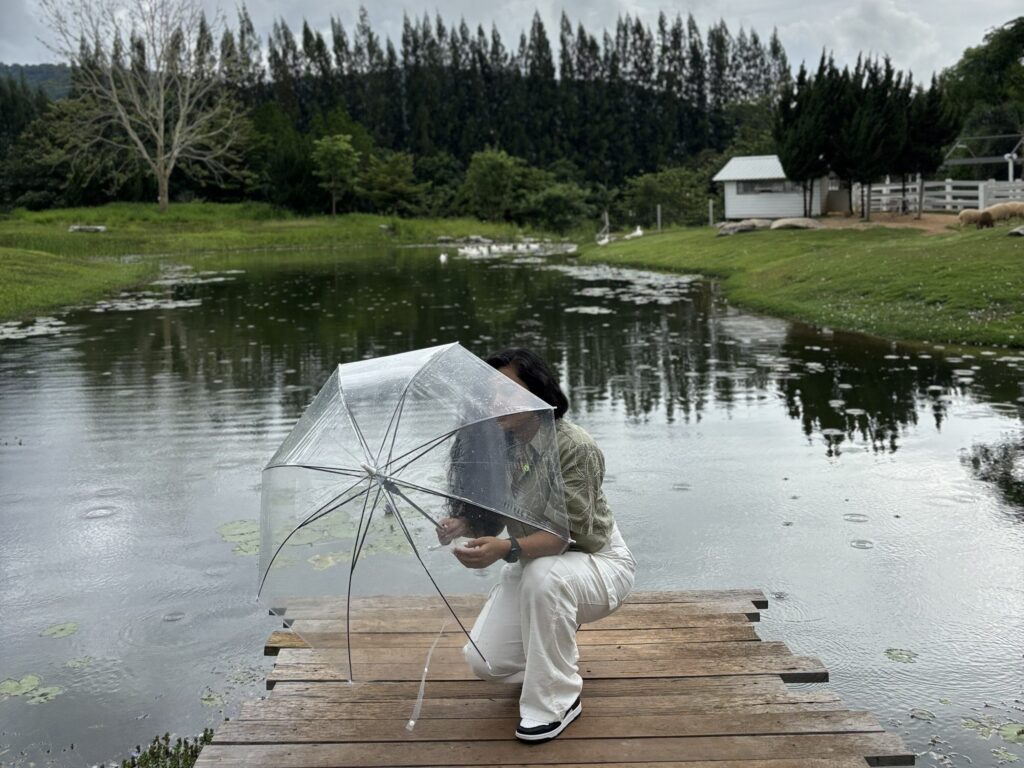
Pai, the small mountain town in Mae Hong Son province, is genuinely beautiful in the rainy season. The valley it sits in turns impossibly green, the waterfalls in the surrounding hills come alive, and the famous Pai Canyon takes on a completely different atmosphere with mist and cloud. The road to Pai (762 curves from Chiang Mai) can be affected by landslides after very heavy rain, so it’s worth checking conditions before you travel. July and August are worth it; September can be less predictable.
What works well: Mae Yen waterfall, Pai Canyon, hot springs, rice fields, morning walks through the valley before the rain arrives
Koh Samet
Best months: May to October
Koh Samet is one of the few places in Thailand where the monsoon season is almost a non-event. The island sits in a geographical rain shadow and consistently receives far less rainfall than anywhere else in the region during the same months. It’s not as dramatic as some of the other destinations on this list, but if you want an island with calm water and manageable weather during the height of the Thai monsoon season, Koh Samet delivers reliably.
What works well: beaches, snorkelling, easy weekend escape from Bangkok (it’s about three hours by bus and ferry)
👉 Must-read: Is Thailand Worth Visiting in 2026 for Non-Party People?
A Note on Monsoon and Solo Travel
If you’re travelling solo during monsoon season, particularly as a woman, there’s not much to worry about that’s specific to the rain. Thailand is an easy country to navigate alone at any time of year.
A few things worth keeping in mind though –
- Stay on top of weather apps in September and October when storms can be more serious.
- Let your accommodation know your plans if you’re doing anything in remote areas.
- Ferry cancellations happen with little notice on bad weather days, so don’t cut transit connections too tight if you’re island-hopping.
- And carry cash. Flooding sometimes means roads and ATMs are temporarily inaccessible in smaller towns.
Beyond that, the monsoon actually makes solo travel in Thailand easier in some ways and definitely more stunning! Fewer crowds mean easier conversations with locals and fewer queues at the places worth visiting. The slower pace of low season suits the kind of traveller who wants to be in a place rather than just pass through it.
The Honest Case for Thailand During Monsoon Season
I know the monsoon season doesn’t sound appealing on paper. But I’ve spent four monsoons in Thailand now, and some of my best travel memories from this country have happened in the rain.
A waterfall in Khao Yai that was barely a trickle in April turns into something you can hear from a kilometre away in August. Chiang Mai’s Old City on a rainy Tuesday morning with steam rising off the stones and almost nobody around. Ayutthaya’s ruins with puddles between the ancient brick and mist coming off the river.
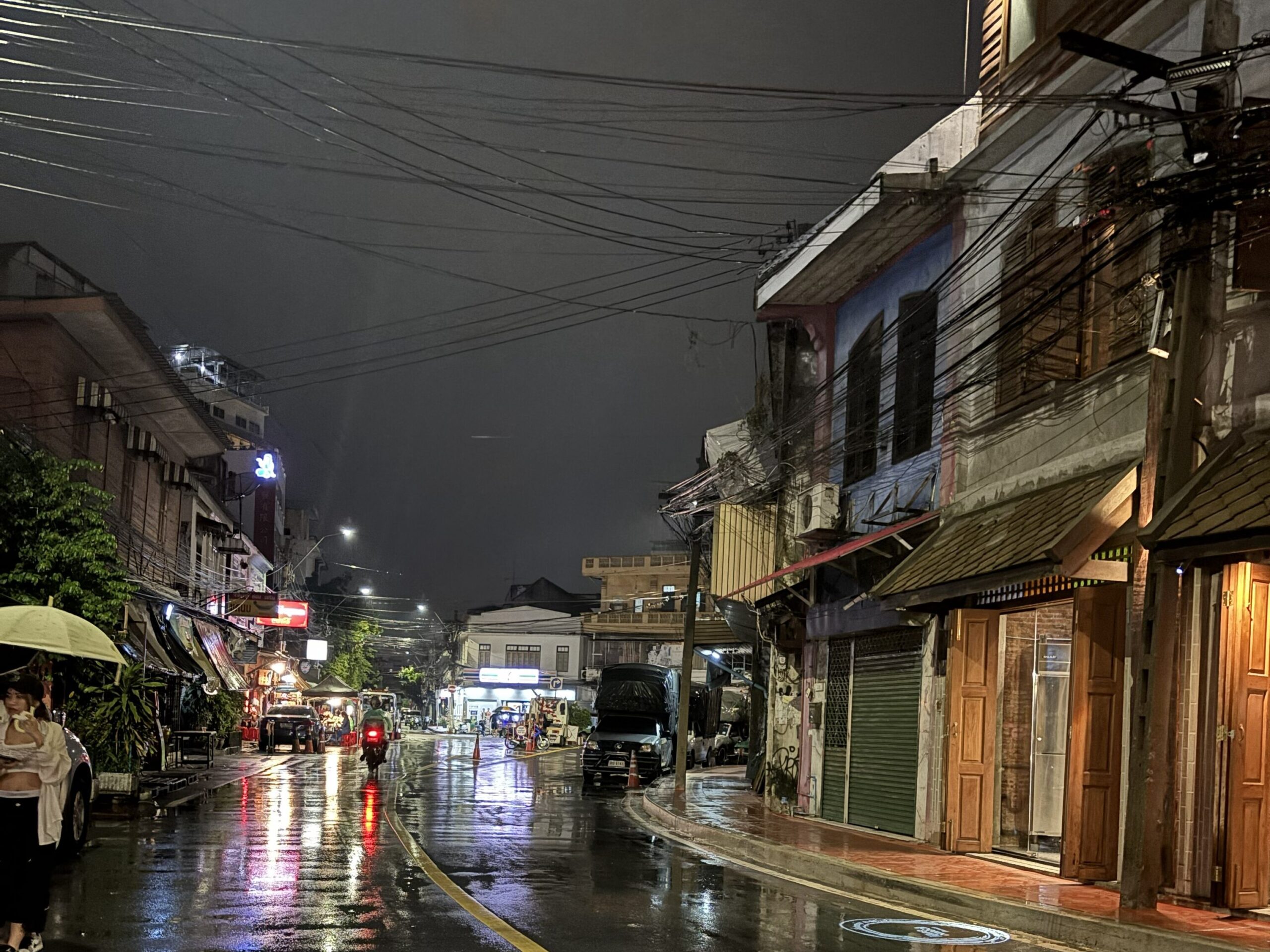
None of those happen in peak season.
The rain changes things, yes. It shifts your schedule around, keeps you flexible, and occasionally ruins a plan. But it also thins the crowds, drops the prices, and turns the whole country an extraordinary shade of green that photographs can’t fully capture.
If you’ve been holding off on Thailand until the “right” season, it’s worth asking what you’re actually waiting for. The right season might already be here.
A Quick Note Before You Go
You’ll find more guides, practical resources, and honest destination write-ups from Thailand, Laos, Uzbekistan, and beyond throughout the blog.
If you’d like new posts delivered straight to your inbox, subscribe to the newsletter. It goes out every Tuesday, and it’s simply the easiest way to stay connected.
You can also find me on Instagram for real-time updates from the road and occasional reminders that travel doesn’t have to be perfect to be worth it.
And as always, if you have questions, have been to any of these places during monsoon, or want to share your own rainy season stories, leave a comment below. I read each of them 🙂