Note: This post contains affiliate links. If you book through them, I may earn a small commission at no extra cost to you. I only recommend things I have personally used or genuinely believe in.
There are plenty of things to know before moving to Thailand that you simply cannot learn from a holiday. I know that because I had been coming here since 2015 before I finally decided to stay. This is now my fourth year living in the country, working as an ESL teacher in a high school in a small town called Pak Chong, and I still find myself learning something new about Thailand now and then.
I love living here. I really do. But loving a country and romanticizing it are two very different things. Some things are easier than I expected. Others take considerably more patience. And then there are the cultural differences that only really make sense once Thailand stops being a place you visit and becomes the place where you buy groceries, go to work, deal with paperwork, and build an ordinary Tuesday.
These are the things I wish someone had told me before I moved.
Travelling Here and Living Here Is Not the Same
I had already been visiting Thailand since 2015 before I moved here, so I wasn’t arriving completely starry-eyed. I knew the food, understood some of the cultural differences, and had already spent enough time here to know that things don’t always work in quite the way I expected them to. But living here has taught me that knowing a country as a traveler is not the same as knowing what it feels like to build an ordinary life there.
There are days when I am incredibly grateful that I get to call Thailand home. There are also days when something that would take ten minutes to sort out elsewhere somehow takes an entire afternoon. That is probably the biggest Thailand culture shock of all. Not that everything is wildly different, but that the things you once found charming or amusing can feel very different when they become part of your everyday life.
You learn to adjust. You learn when to be patient, when to ask for help and, occasionally, when to accept that today is simply not the day you are going to get something done. And to be truthful, learning to live with that has been a major part of understanding the things to know before moving to Thailand that you simply cannot learn from a holiday.
Your Visa Is Not a Minor Detail
A quick disclaimer: I’m neither a visa expert nor an immigration lawyer. Visa rules and requirements can change, and they can differ by nationality and individual circumstances. If you’re considering a move to Thailand, always check the latest information with official Thai immigration and Ministry of Foreign Affairs sources, as well as the relevant Thai embassy or consulate.
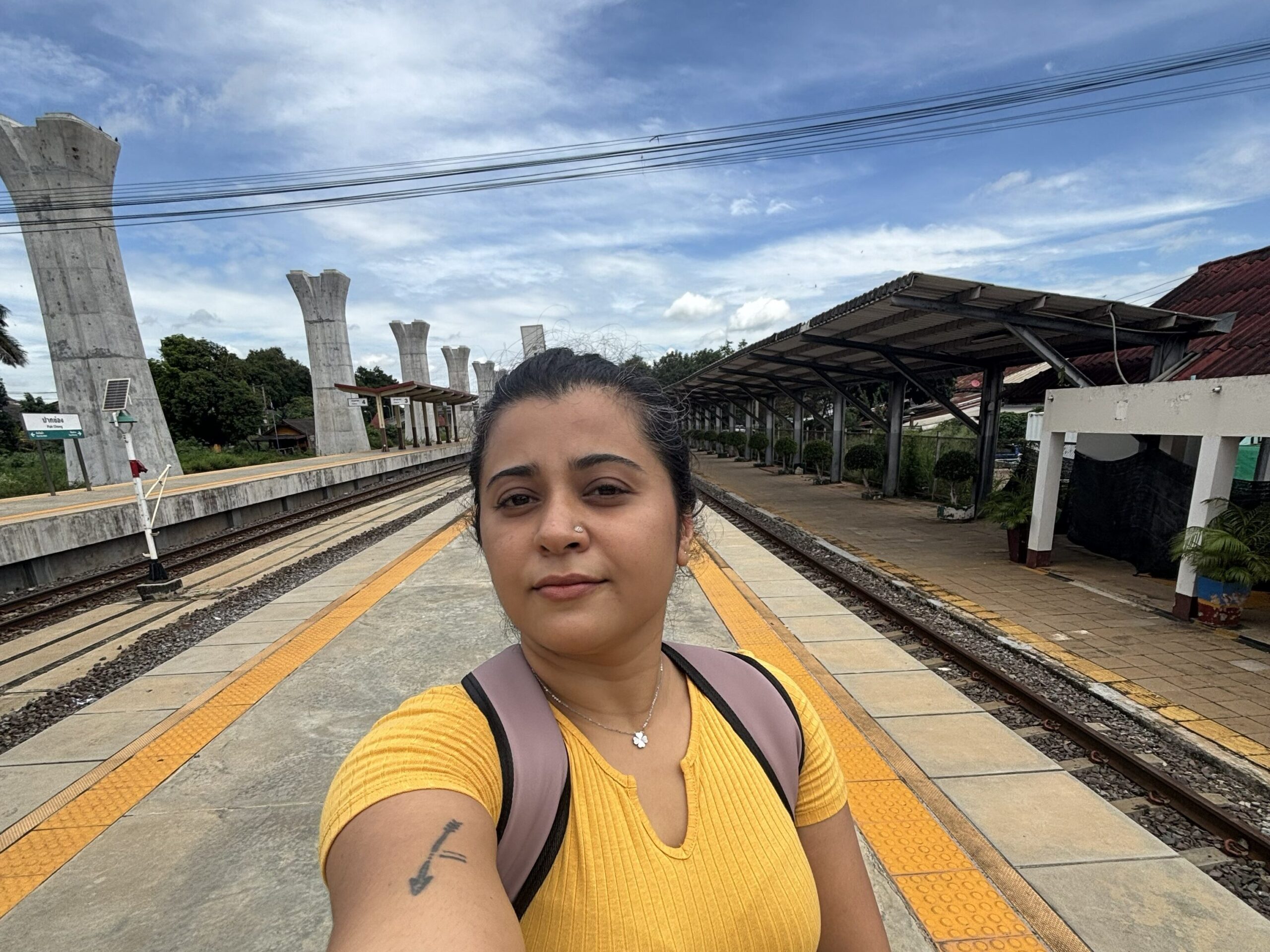
When I first came to Thailand in 2015, I was here on a volunteer visa to teach English with an NGO in the north of the country. It was valid for 90 days and, when I wanted to continue volunteering, I simply went to immigration in Chiang Mai to extend it. I remember arriving at around 5 AM to queue and walking out with my extension by noon.
The next few times I came to Thailand, I travelled on tourist visas while exploring different parts of the country. It was fairly straightforward, but you only had 15 days visa on arrival back then and had to pay about 2,000 baht for the visa fee if memory serves me right. For the past four years, however, I have been here on a work visa and have also needed a work permit, both of which involve their own paperwork and renewals.
My point is not to tell you which visa you should get. There are now several options depending on your circumstances, and what works for one person may not work for another.
What I would say is this: one of the most important things to know before moving to Thailand is to do your homework before you move. Your visa or permission to stay can become something you actively manage alongside your job, accommodation and travel plans.
Most importantly, don’t move first and figure out your legal status later. Work out your options before you get on the plane. It will save you a lot of unnecessary stress once Thailand becomes home.
Where You Live in Thailand Depends on What You Want From Your Life
One of the things to know before moving to Thailand is that where you live can have a huge impact on your experience. Thailand is not one big, interchangeable tropical paradise. Bangkok, Chiang Mai, Phuket, Hua Hin, Koh Phangan, and a small town like Pak Chong can offer completely different versions of life here.
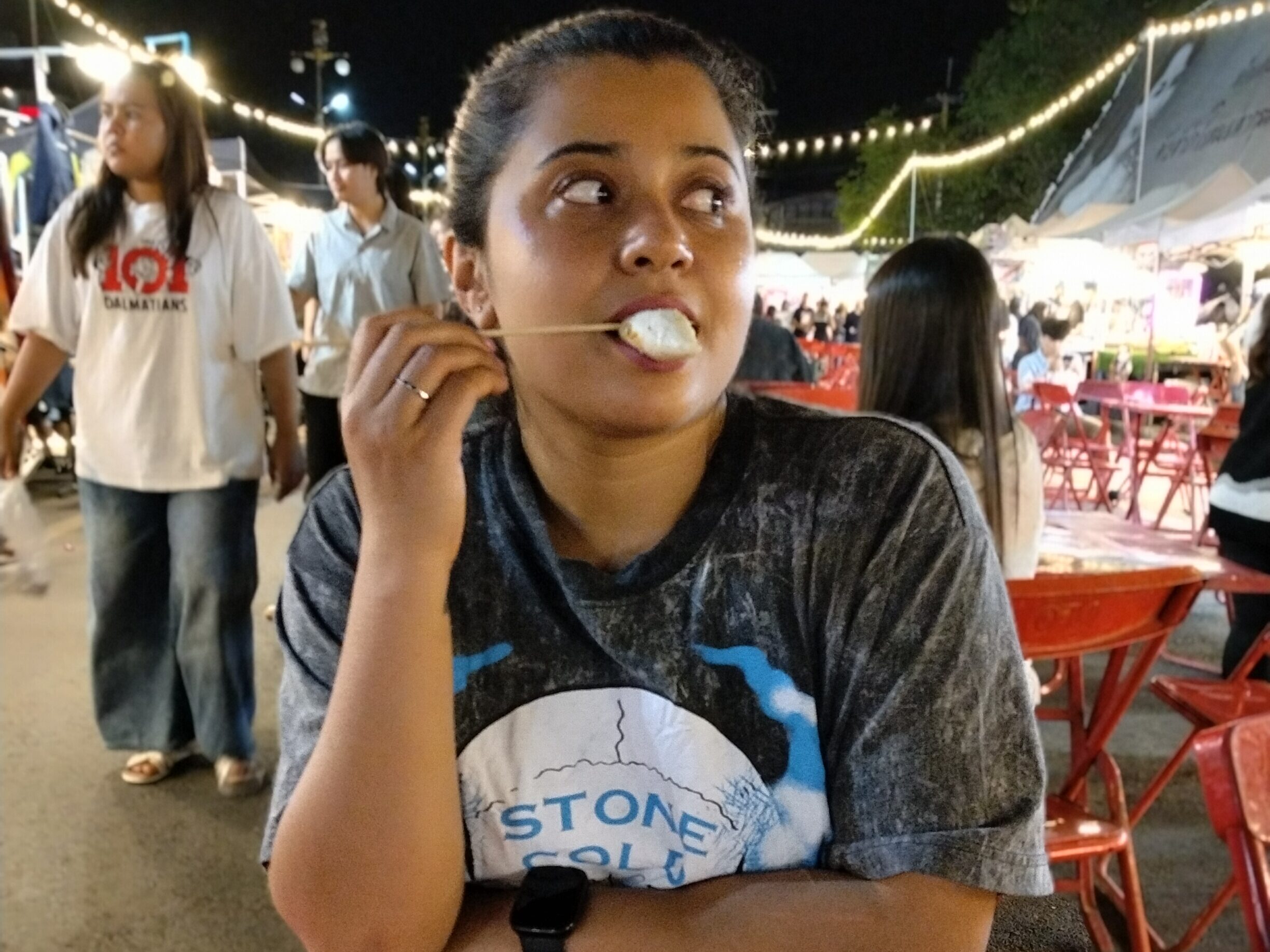
And where you can live may also depend on how you earn your money. If you’re working remotely, you have considerably more freedom to choose your location. If you’re working for a Thai employer, your job may decide where you end up. As a non-native English teacher from India, I can vouch for this. The salary I earn in Pak Chong may not have been available to me as a starting salary in Bangkok, Chiang Mai, or Phuket. Sometimes, a smaller town can give you a much more comfortable life than a more glamorous location.
So, rather than asking which place is best, I’d think about it this way:
- If you love cafés, nature, and a slower pace: Chiang Mai might be your kind of place. There is a reason so many foreigners settle there.
- If you want big-city energy: Bangkok gives you almost everything you could want from a major city, although you have to be comfortable with the traffic, noise and higher cost of living that come with it.
- If you want beaches without completely giving up convenience: Hua Hin can offer a nice middle ground between coastal living and everyday practicality.
- If you want island life: Koh Phangan, Koh Samui and Phuket offer very different versions of it, from established foreign communities to quieter corners where life moves considerably more slowly.
- If you want a quieter, more ordinary Thai life: Don’t automatically dismiss smaller towns. Pak Chong certainly wasn’t the place I imagined myself living when I first visited Thailand, but four years later, here I am.
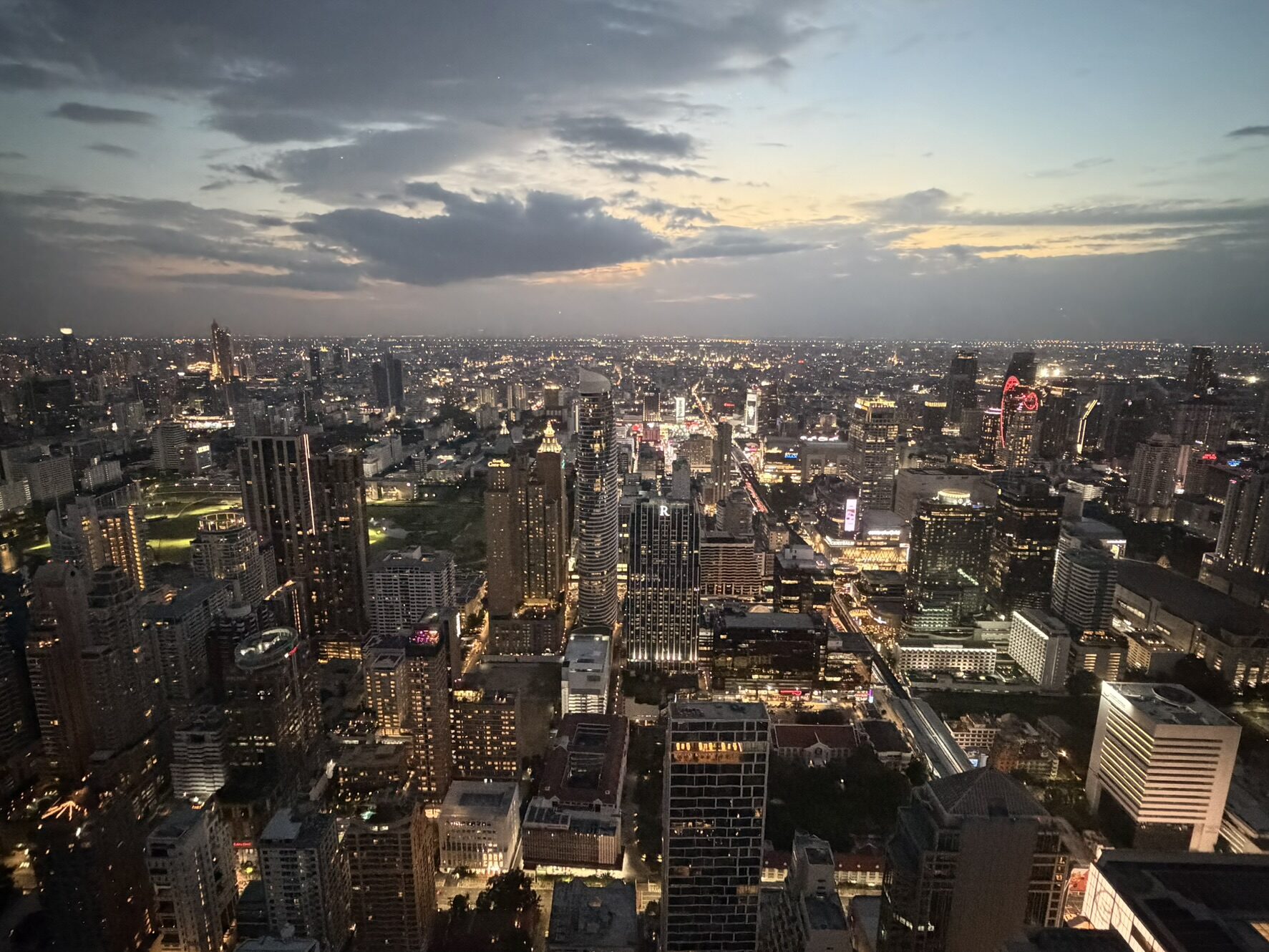
Your visa, your income, your work and your personality will all shape your options. Choose your Thai home based on the life you actually want to build, not the place that looks best on Instagram.
Thailand Is Welcoming, But You Are Still a Guest
One of the things I find fascinating about Thailand is how comfortable it seems to be with foreigners. This is a country that has welcomed travellers from around the world for decades, and in many places, you can arrive as a foreigner and find an infrastructure that makes life surprisingly easy. There are international schools, hospitals, businesses, restaurants, long-established expat communities and all kinds of services built around people who have chosen to spend time here.

Thailand has also made it possible for foreigners to come here for all sorts of reasons. You can visit as a tourist, work here, retire here, study here or, with the right visa, build a longer-term life. For someone moving to Thailand as an expat, that openness can make the transition considerably easier than it might be in some other countries.
But there is something I think foreigners sometimes misunderstand about that openness. Being welcomed does not mean being entitled.
Thailand has its own culture, traditions, laws and social boundaries, and those don’t disappear simply because you have decided to make the country your home. In fact, I would argue that the longer you live here, the more responsibility you have to understand them.
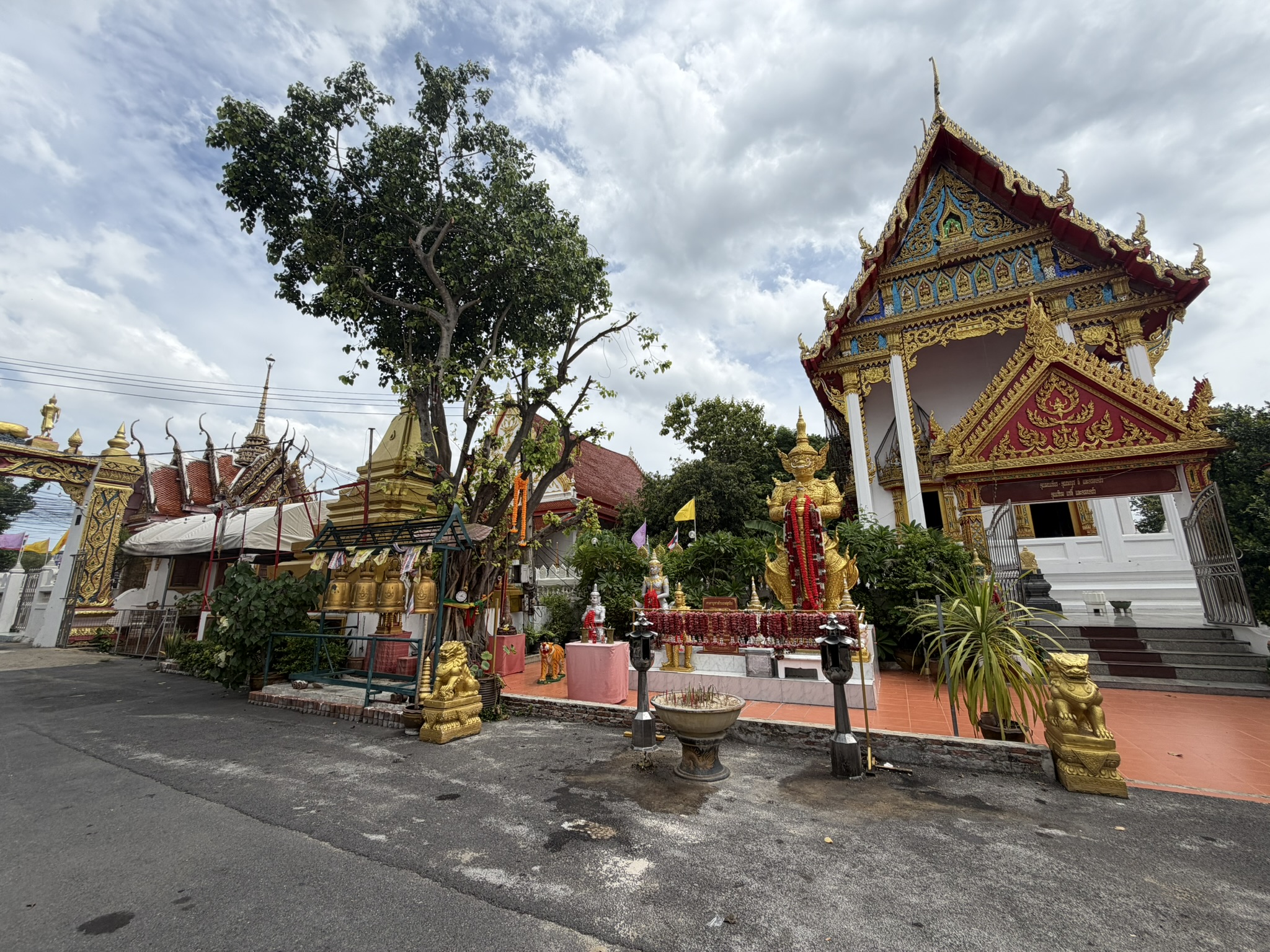
There are rules around what foreigners can do, where they can work, how they can stay, and how they are expected to behave. Some of those rules may seem unnecessarily complicated or frustrating from a foreign perspective. But you don’t have to agree with every rule to respect the fact that you are living in someone else’s country.
And this is something I feel quite strongly about. I can love Thailand deeply and still remember that it is not mine.
Thailand has given me a home, a career, friendships, and four years of experiences that I would never trade. I am incredibly grateful for that. But gratitude should come with responsibility. If you choose to make Thailand your home, you should care about the place you live in, the people who live here, and the culture that existed long before you arrived.
To me, that is what being a good foreign resident actually means.
Some Important Dos and Don’ts for Living in Thailand
You don’t need to memorise an entire book of Thai etiquette before you move here. But a few cultural habits are worth knowing because they will make everyday life easier, help you avoid unintentionally offending someone, and, frankly, show that you have made some effort to understand the country you’ve chosen to call home.
You don’t need to, but learning some basic Thai would take you a long way.
You don’t need to become fluent, but learning basic words and phrases will take you a surprisingly long way. Even a simple sawasdee ka, khop khun ka, or mai pen rai ka shows that you’re willing to meet people halfway.
Take your shoes off when everyone else has.
If you see shoes lined up outside a home, temple, or certain businesses, take yours off too. When in doubt, look around before walking in. It’s one of those little things that quickly becomes second nature.
Keep your feet to yourself.
Feet are considered the lowest part of the body, so pointing them towards another person, a monk or a Buddha image is considered disrespectful. If you’re sitting on the floor, be mindful of where your feet are pointing.
Don’t casually touch someone’s head.
The head is traditionally considered the highest and most sacred part of the body. That affectionate head pat you might give a child back home is best avoided here, particularly with people you don’t know well.
Dress appropriately when visiting temples.
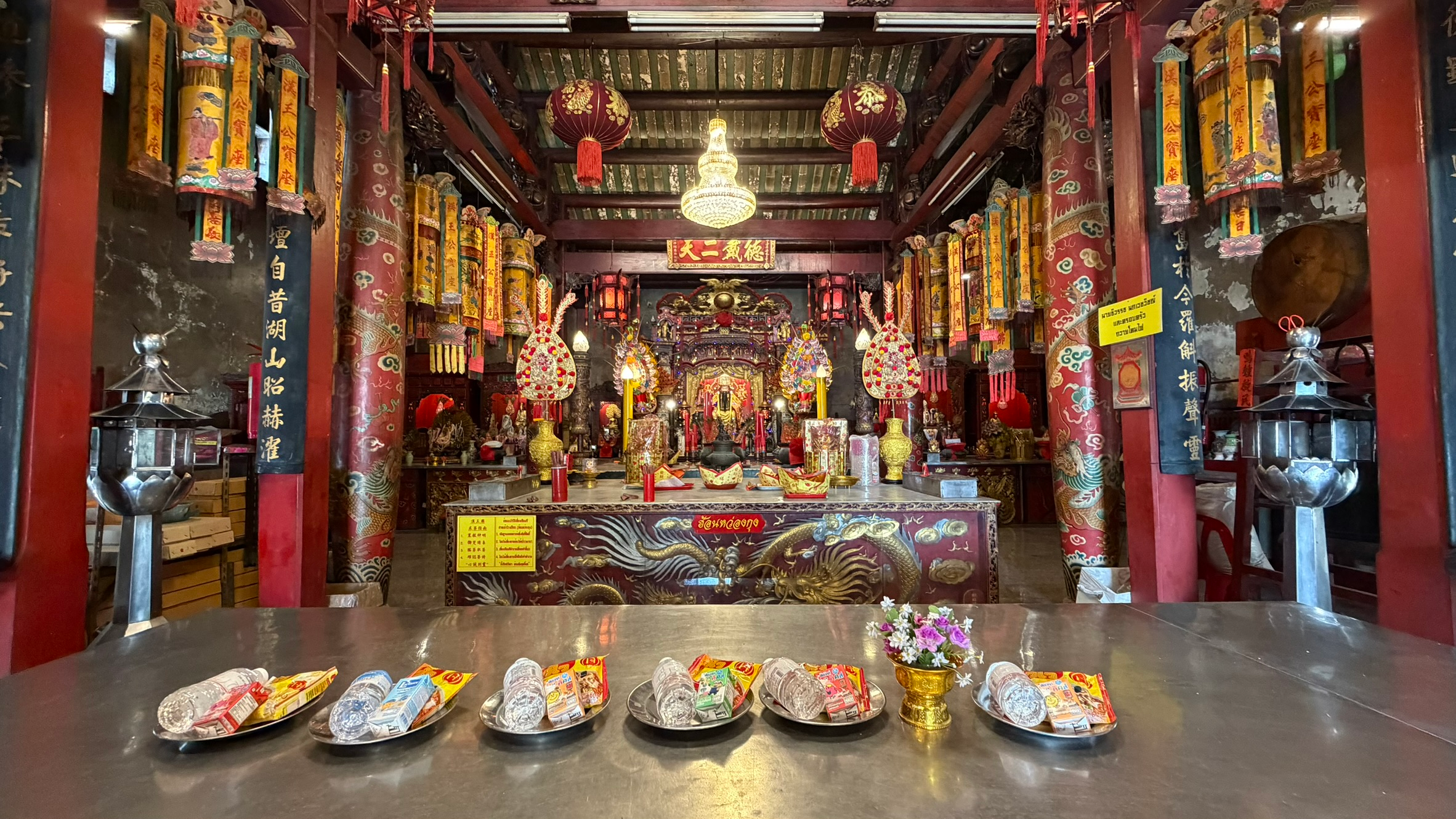
You don’t need to dress formally every time you visit a temple, but shoulders and knees should generally be covered. Remember that you’re entering a religious space, not simply another tourist attraction.
Learn to be patient when things don’t happen on your timeline.
Things may not always happen at the speed you’re used to, particularly when you’re dealing with bureaucracy or everyday services. Getting visibly angry rarely makes the situation better, and learning when to slow down is part of adapting to life here.
Don’t assume everyone speaks English just because you’re in Thailand.
Thailand’s tourism industry may be incredibly English-friendly, but that doesn’t mean everyone you meet should be able to communicate with you in English. A little patience, a translation app and a willingness to gesture your way through a conversation can go a long way.
Losing your temper in public rarely gets you what you want.
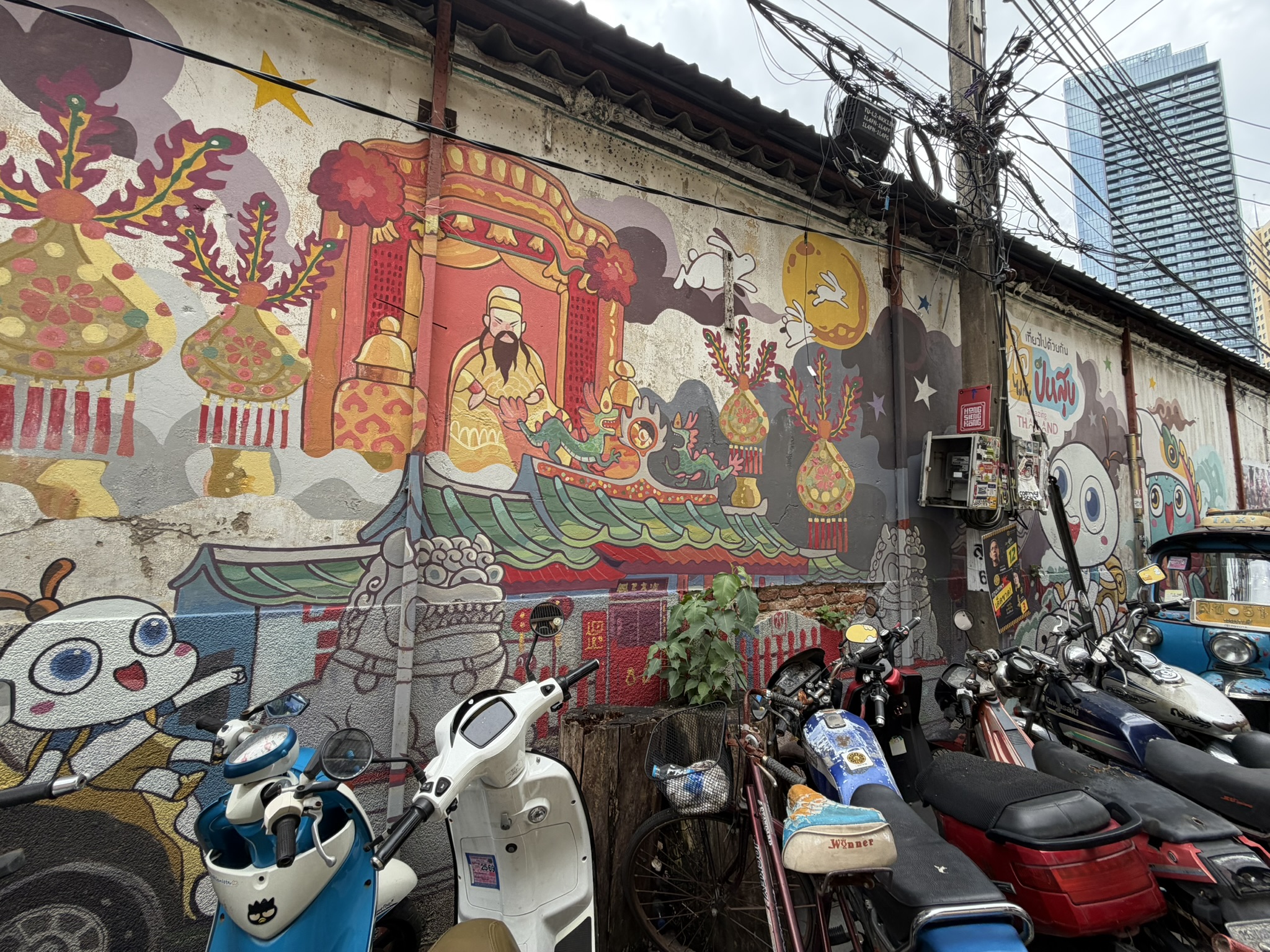
Thai culture generally places a strong value on maintaining harmony and avoiding public confrontation. You can absolutely be frustrated, but shouting at someone because things aren’t going your way is unlikely to earn you much respect.
Respect the monarchy, the law and the rules of the country you’re living in.
Whatever your personal opinions may be, Thailand has its own laws and institutions, and foreigners are expected to respect them. If you’re going to live here, understand the boundaries rather than assuming the rules you are used to at home automatically apply.
Don’t treat Thailand like your personal playground.
Don’t litter, damage places, behave recklessly, exploit cheap labour, disrespect local communities or assume that because you’re a foreigner with money, everything and everyone is available for your entertainment. You are living in somebody else’s home. Act accordingly.
A Quick Note Before You Go
There is a difference between visiting a country and living in it. When you visit, you can admire what feels different. When you live somewhere, you have to learn how to live with those differences. And I think that is where the real beauty of moving abroad begins.
Thailand has taught me that I don’t need everything to work the way it did back home for life to feel good. I have learned to adapt, to be curious instead of critical, and to understand that my way isn’t automatically the better way simply because it is familiar to me.
And in return, I have found a kind of freedom here that I didn’t fully appreciate until I started living here. As a woman, I can go about my everyday life without constantly feeling like I need to be on guard. I have experienced being treated with kindness and respect, being heard when I speak and being able to move through my day without carrying the same level of fear I have felt in other places.
That doesn’t mean Thailand is perfect, or that every experience here will be wonderful. It means that for me, the good has been enormously bigger than the bad. Four years later, I still feel incredibly lucky that this is where I get to live.
If you’re considering making the move, I hope this article has given you a more realistic idea of what to expect. Do your homework, choose your location carefully and come prepared to adapt. But also come with an open heart. Living in another country can change you in ways that simply visiting never will.
If you’re interested in exploring more of Thailand before making the leap, you can browse my Thailand travel guides for destinations and experiences I’ve discovered while living here. You might also enjoy my reflections on why I prefer slow travel to traditional sightseeing and my stories from Uzbekistan and Laos.
If you’d like new posts delivered straight to your inbox, my newsletter goes out every Tuesday. I’m also on Instagram, where I share the quieter moments of travel and everyday life that don’t always make it into the blog.
And if you’re already living abroad, I’d love to know: what is the best thing another country has taught you that you probably wouldn’t have learned at home? Tell me in the comments. And if someone in your life is dreaming about making the move to Thailand, send this article their way.