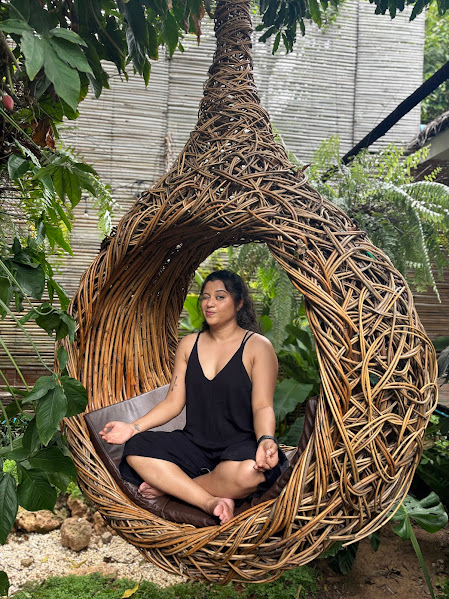
Note: This post contains affiliate links. If you book through them, I may earn a small commission at no extra cost to you. I only recommend things I have personally used or genuinely believe in.
A few years ago, a successful trip meant seeing as much as possible. I’d spend weeks researching attractions, plotting routes on Google Maps, and creating ambitious itineraries that looked great on paper and slightly exhausting in practice. If I were travelling somewhere new, I wanted to make sure I didn’t miss anything important.
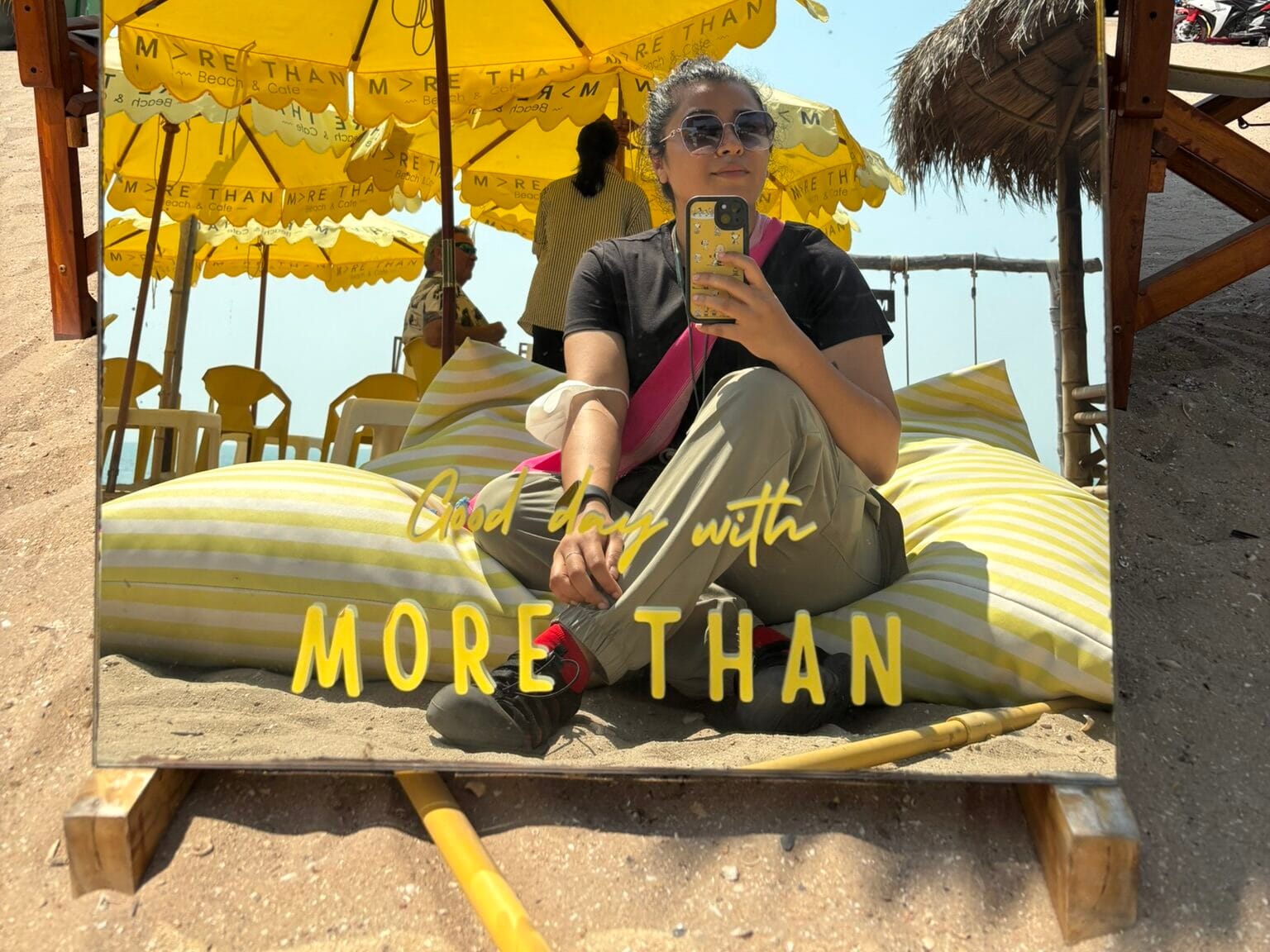
These days, some of my favourite travel memories involve sitting in cafés, wandering through markets, taking train journeys, or spending an entire afternoon doing very little at all.
When Travel Felt Like Homework
There is a perfectly logical reason why I traveled that way.
For most of my adult life, travelling far and wide was only a far-fetched delusion. I grew up with a single mom who worked super hard to put us sisters through school and give us a decent lifestyle. She saved up the whole year and waited for our summer vacation so we could take a holiday somewhere within the country (that’s mostly what we could afford).
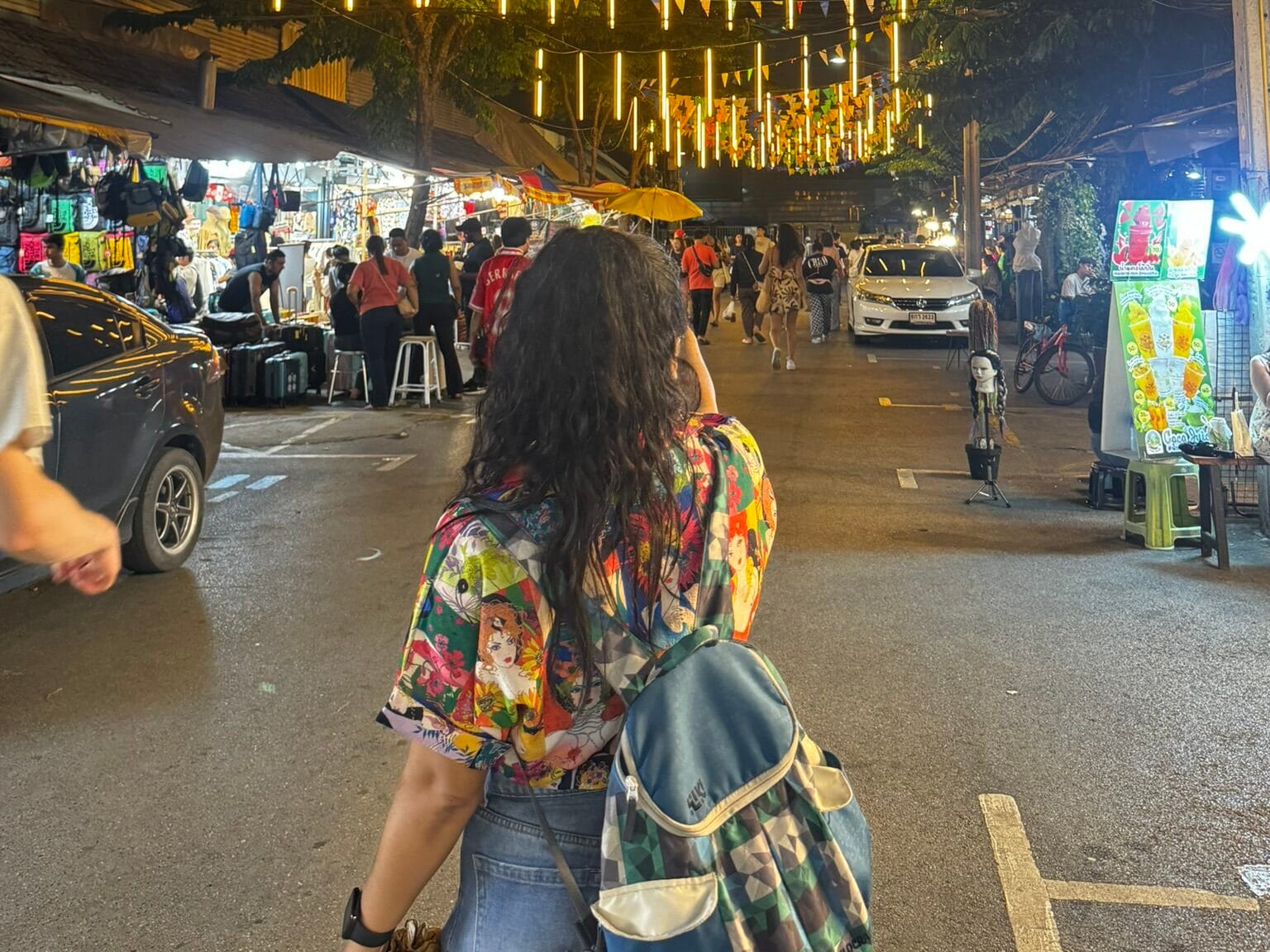
When I graduated from high school, I chose to study journalism through distance learning so I could work, contribute at home, and support myself. Travel wasn’t exactly at the top of my priority list back then (primarily because I didn’t dare dream of it).
So, whenever I could save up anything to travel anywhere new, I wanted to make the most of it.
I don’t think I was chasing countries or passport stamps. I simply didn’t know when I’d get another chance to visit that place. If I were spending my money and precious vacation days on a trip, it felt sensible to see as much as possible.
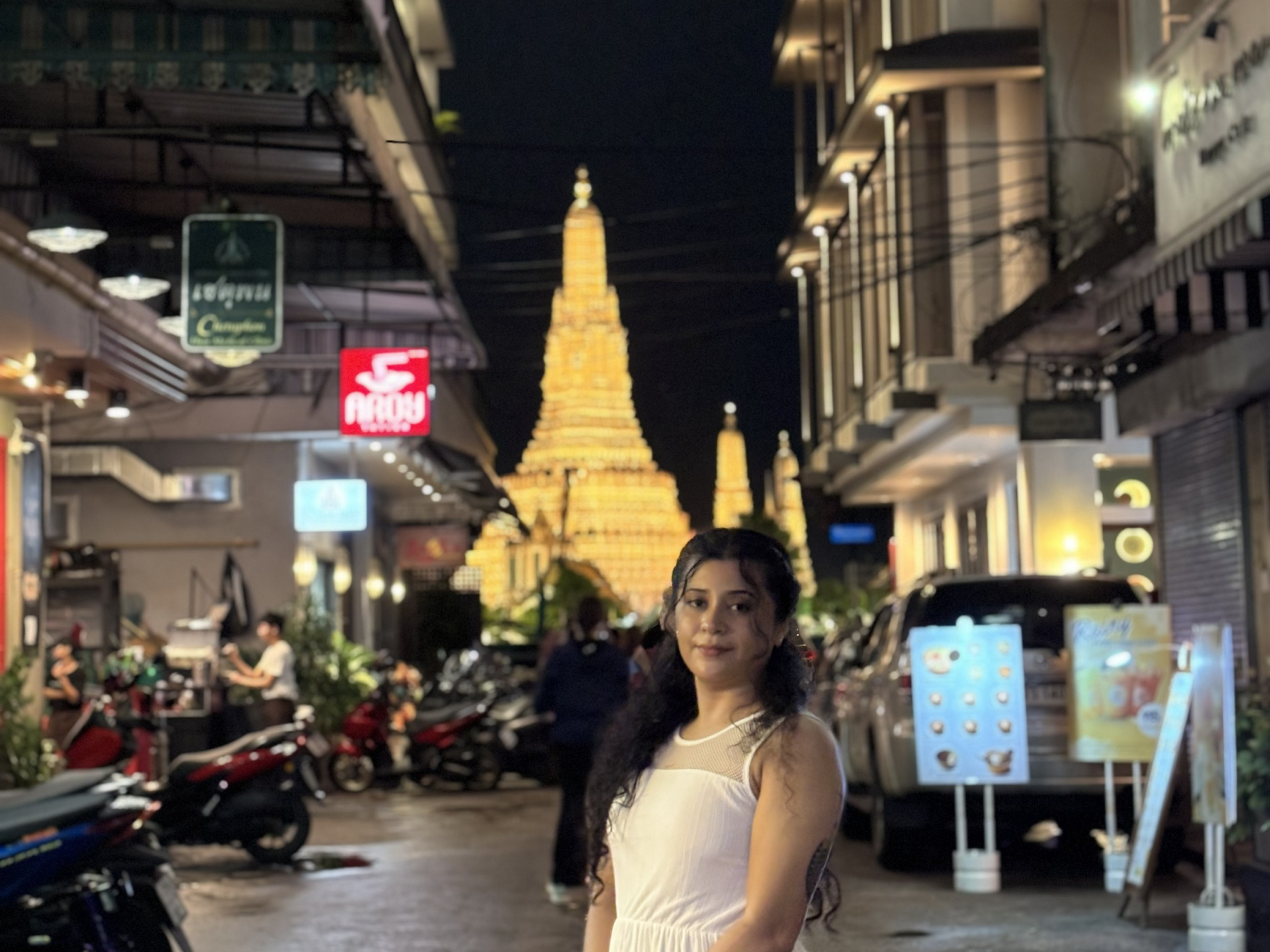
The result was often a packed itinerary.
I’d leave my accommodation early, spend the day moving from one attraction to another, going to places that were a “must-visit”, and return at night feeling equal parts accomplished and exhausted. At the time, I thought that was what successful travel looked like.
And honestly, for that season of my life, maybe it was.
Seeing Everything Wasn’t The Problem
The thing is, there was nothing inherently wrong with travelling that way.
Some of my favourite trips were packed with early mornings, long days, and ambitious plans. I saw incredible places and made memories I’ll always be grateful for.
But after a while, I started noticing something.
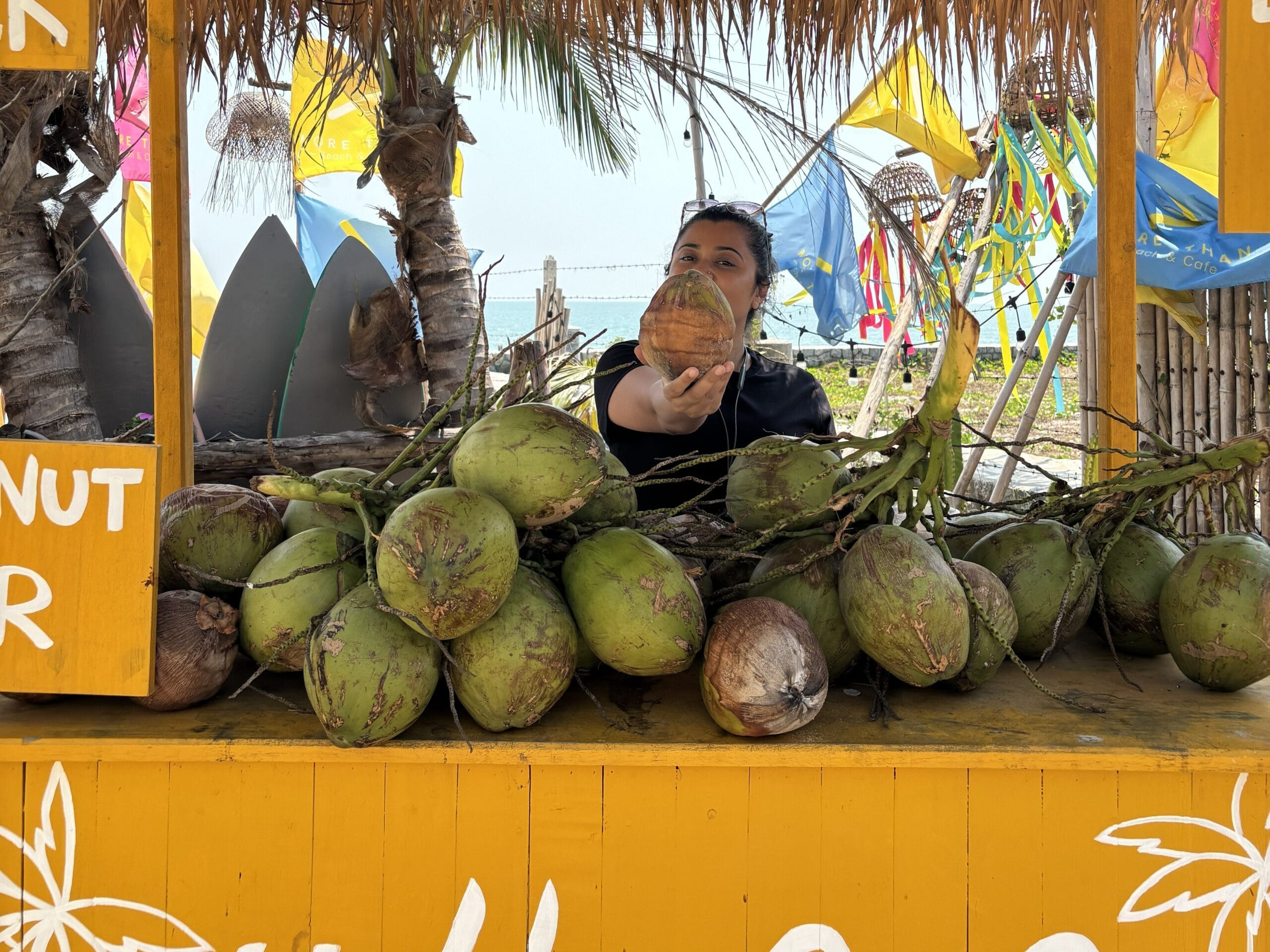
When I looked back on a trip a few months later, the things I remembered most weren’t always the things I had spent weeks researching.
I rarely remember how many attractions I visited in a day.
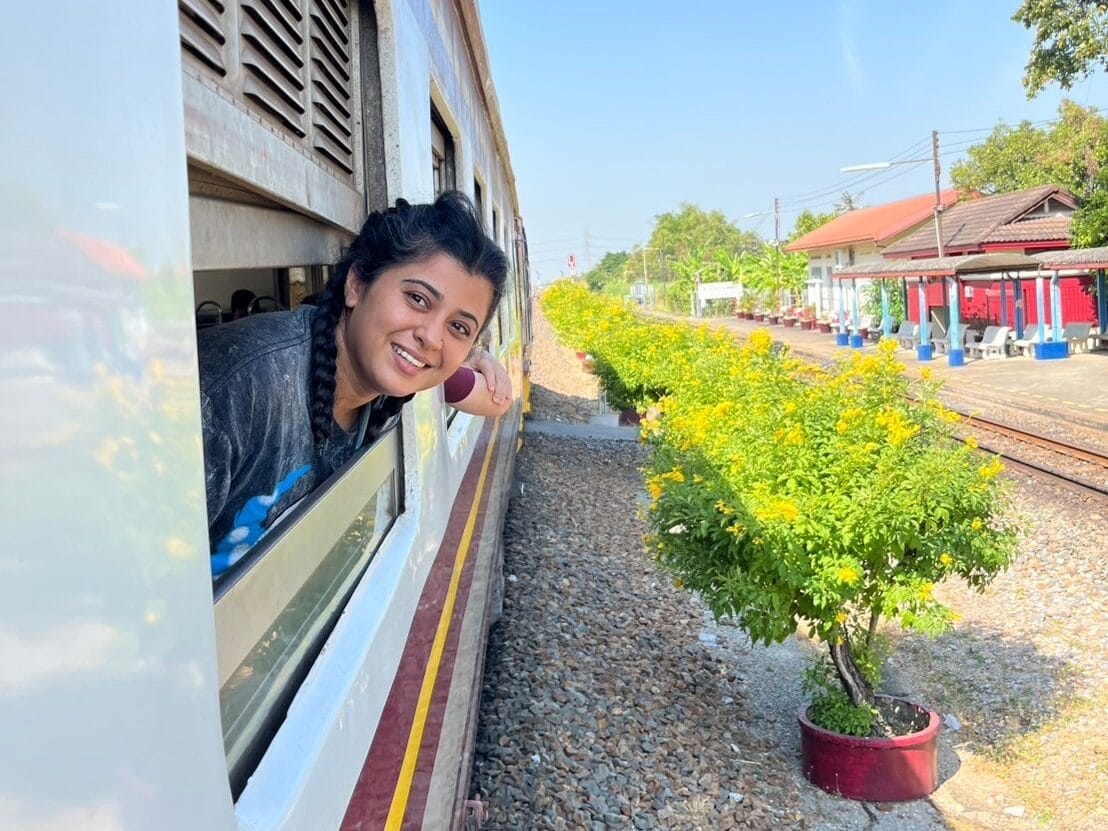
I remembered random conversations with strangers traveling on the same train from Bangalore to New Delhi. I remembered the owner of the momo stall in Darjeeling, who was awed at the idea of me (a 29-year-old, single girl at the time) travelling solo across India. I remembered getting caught in the rain and accidentally starting a chat with a fellow traveler over chai in Shimla. I remembered finding a café I liked so much in Goa that I returned the next morning and the next morning.
I remembered the feeling of a place far more than the checklist I had carefully created before arriving.
Realising Slowing Down ≠ Missing Out
For the longest time, I was terrified that slowing down meant missing out. And honestly! Can you blame me? We’re constantly told that if we aren’t checking every box, we aren’t really living.
I used to think that an hour spent lingering in a cozy café was an hour “wasted”. If I returned to a street or a shop I’d already been to, I felt guilty, like I was squandering a chance to see something new.
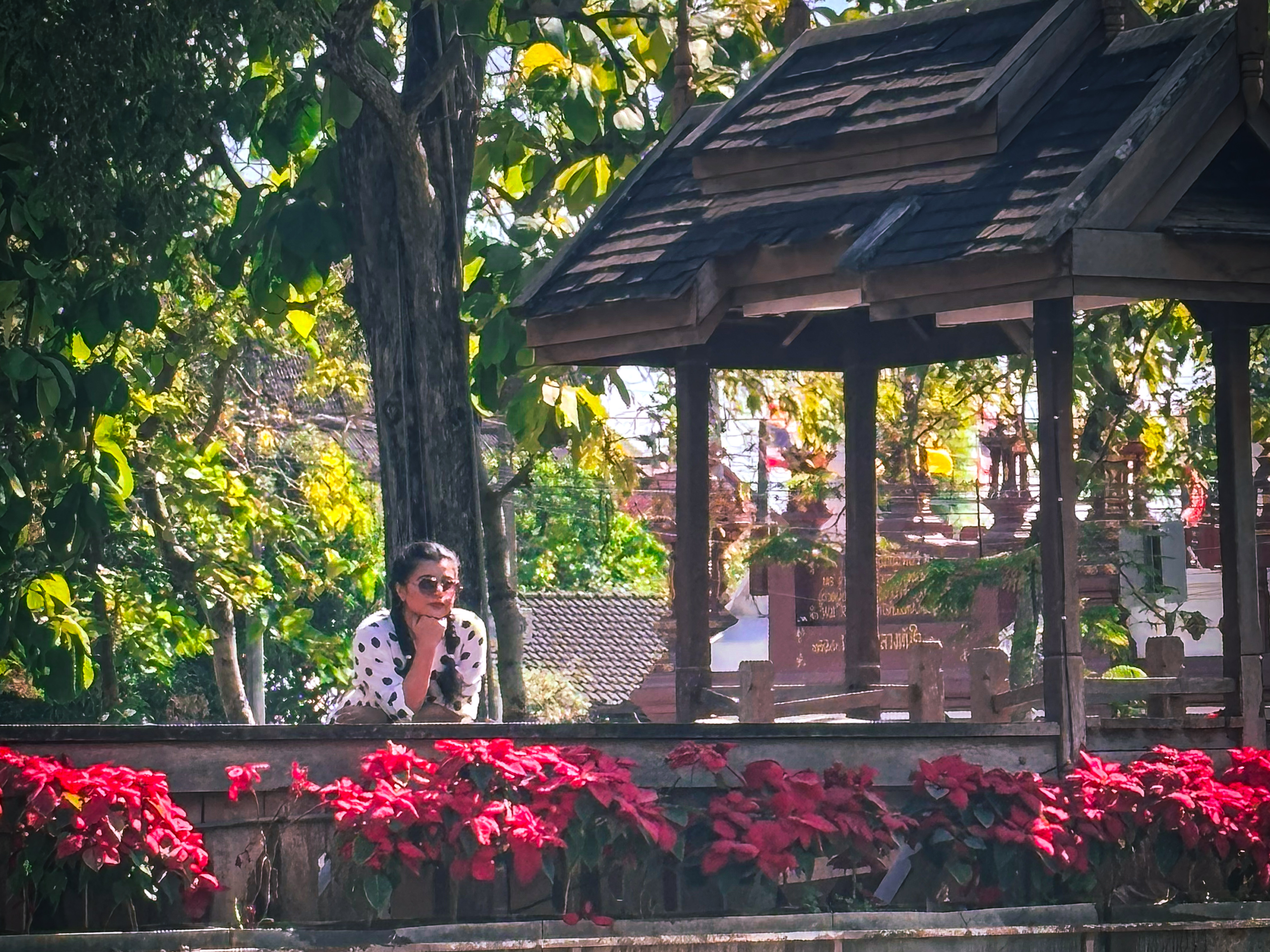
But then it clicked! I was missing out either way. Every choice on the road is a trade-off. If you spend three hours in a museum, you’re saying “no” to the bustle of the local market. If you take that long, exhausting day trip, you’re saying “no” to a slow, quiet morning at your guesthouse. You just can’t do it all, and trying to is a game you’ll never win.
Eventually, I just stopped trying to win an impossible game. Maybe it’s just a product of getting older, but I find that I feel less and less need to “do it all.” And even more than that, I don’t feel the need to prove to anyone else that I’m doing it all.
My life, at least from my perspective, is a wonderful movie where I’m the main character, but I’m no longer worried about convincing anyone else that it is.
Travel is More than Escaping Reality
I think another reason I no longer travel with a checklist is that I stopped seeing travel as an escape from my life.
For years, I saw travel as a pressure valve, a way to run away from responsibilities and the monotony of the familiar. For years, travel was the thing I looked forward to while dealing with everything else. And there is nothing wrong with that if that’s the current version of your life.

But when travel becomes your escape, it also starts carrying a lot of weight. Every trip has to be worth the money. Worth the leave days. Worth the months of waiting. Worth returning to normal life afterwards.
Looking back, I think that’s partly why I tried so hard to make every trip count.
Building a Life That Made Travel Possible
By 2013, I had already decided that I wanted to see more of the world.
The problem was figuring out how to pay for it.
At the time, I was working as a freelance writer. Some months were fantastic. Others were downright terrifying. A good month could bring in enough money to save, travel, and breathe a little easier. A bad month could leave me staring at my inbox and wondering how long my savings would last.
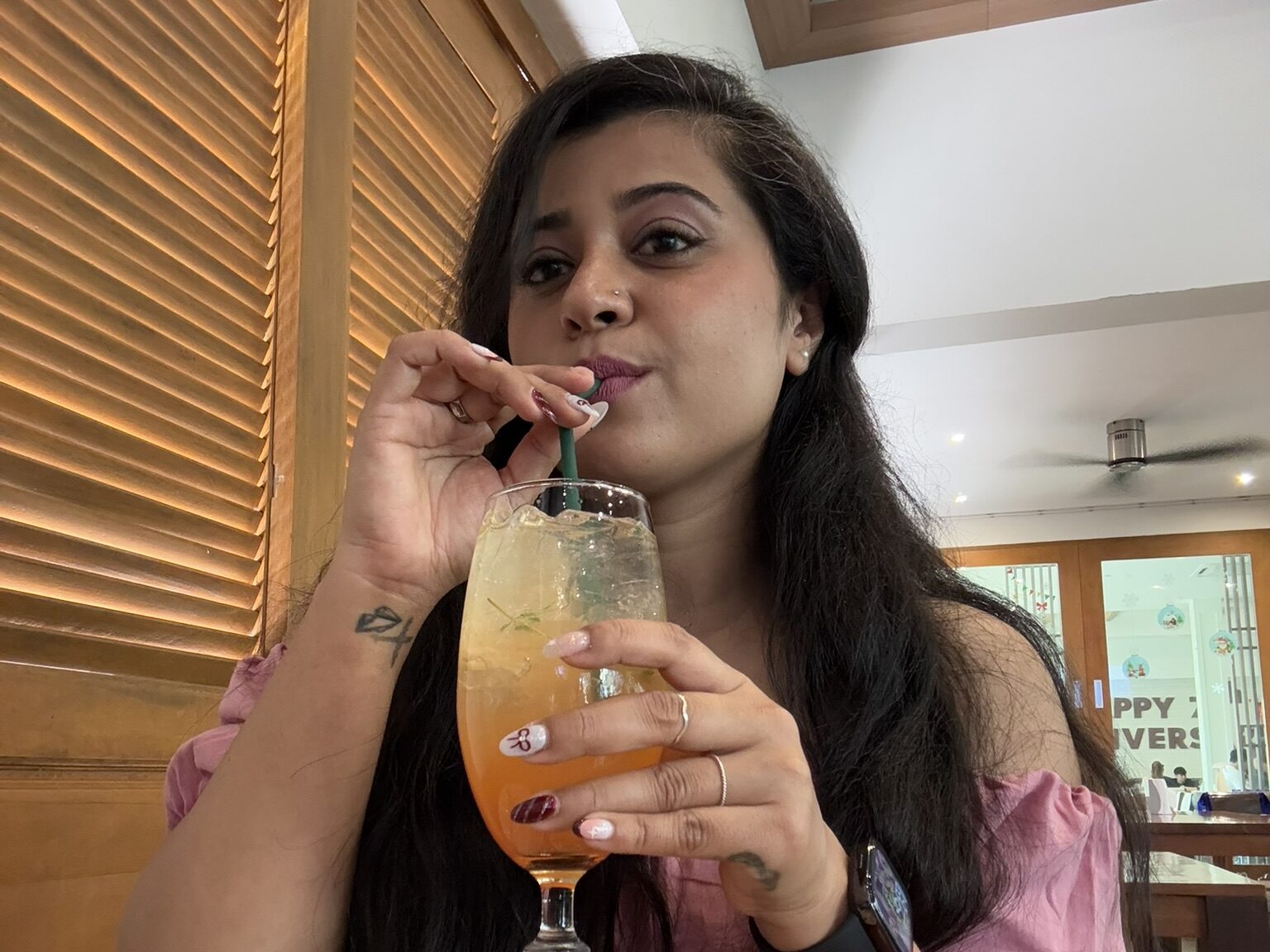
Whenever freelancing became too unpredictable, I’d start looking for a regular office job. The problem was that most of the jobs available to me in India barely covered my contribution at home and everyday expenses. Travel wasn’t just difficult; it felt unrealistic.
For years, I found myself caught between two things I wanted equally badly: financial stability and freedom.
I wanted the security of knowing where next month’s income was coming from. I also wanted the freedom to explore the world beyond my own backyard.

Whenever I came across volunteering opportunities that covered accommodation or meals, I jumped at them. They allowed me to travel in ways I simply couldn’t afford otherwise.
That’s how I found myself spending six months in a small village in Northern Thailand. A few years later, I was living in Thai Binh, a quiet town near Hanoi in Vietnam, just before the pandemic turned the world upside down.
From Checking Things Off to Living Them
At the time, I didn’t think those experiences were particularly significant. I wasn’t trying to reinvent myself or discover a new philosophy of travel. I was simply trying to make travel work with the resources I had.
What I remember now is how ordinary those months felt.

I had favourite food stalls. I bought groceries. I got used to certain streets and certain routines. Some days I explored. Some days, I did absolutely nothing.
And if I’m being honest, I don’t think I’ve talked about these parts of travel nearly enough.
For years, I shared the version of travel that felt worth sharing. The interesting stories. The beautiful places. The experiences that looked good in photographs and sounded good in conversation.
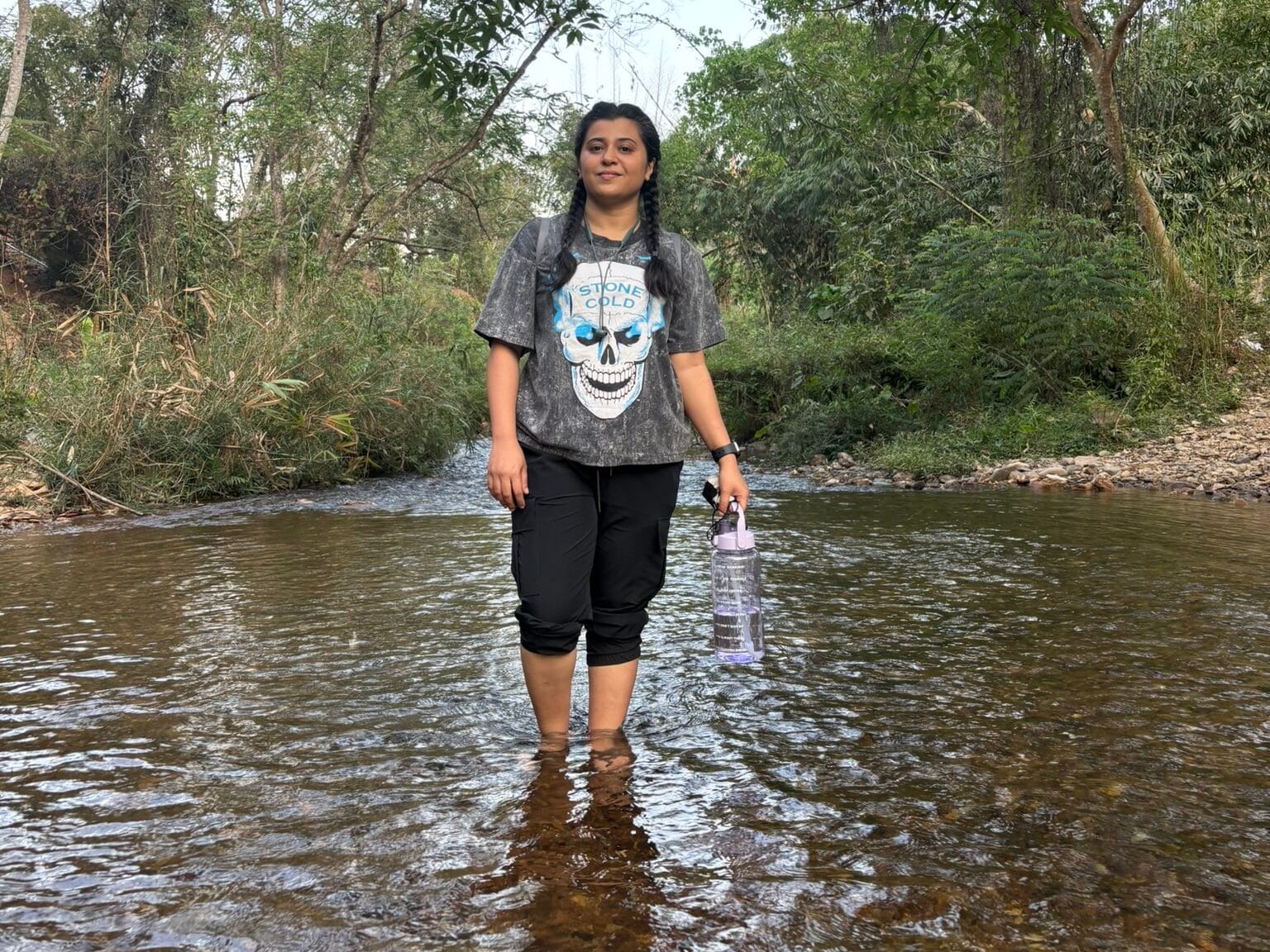
But some of the most meaningful moments happened far away from all of that.
They happened while trying to buy tampons in a language I didn’t speak. While figuring out how to get home after taking the wrong bus. While learning how to exist in a place instead of simply passing through it.
Why I No Longer Travel With a Checklist
These days, my trips look very different from the ones I took ten or fifteen years ago.
I stay longer when I can. I revisit places I’ve already been to. I leave room for unplanned afternoons and the possibility that nothing particularly interesting might happen on a given day.
But that doesn’t mean I’ve suddenly become opposed to ambitious itineraries or packed travel days.
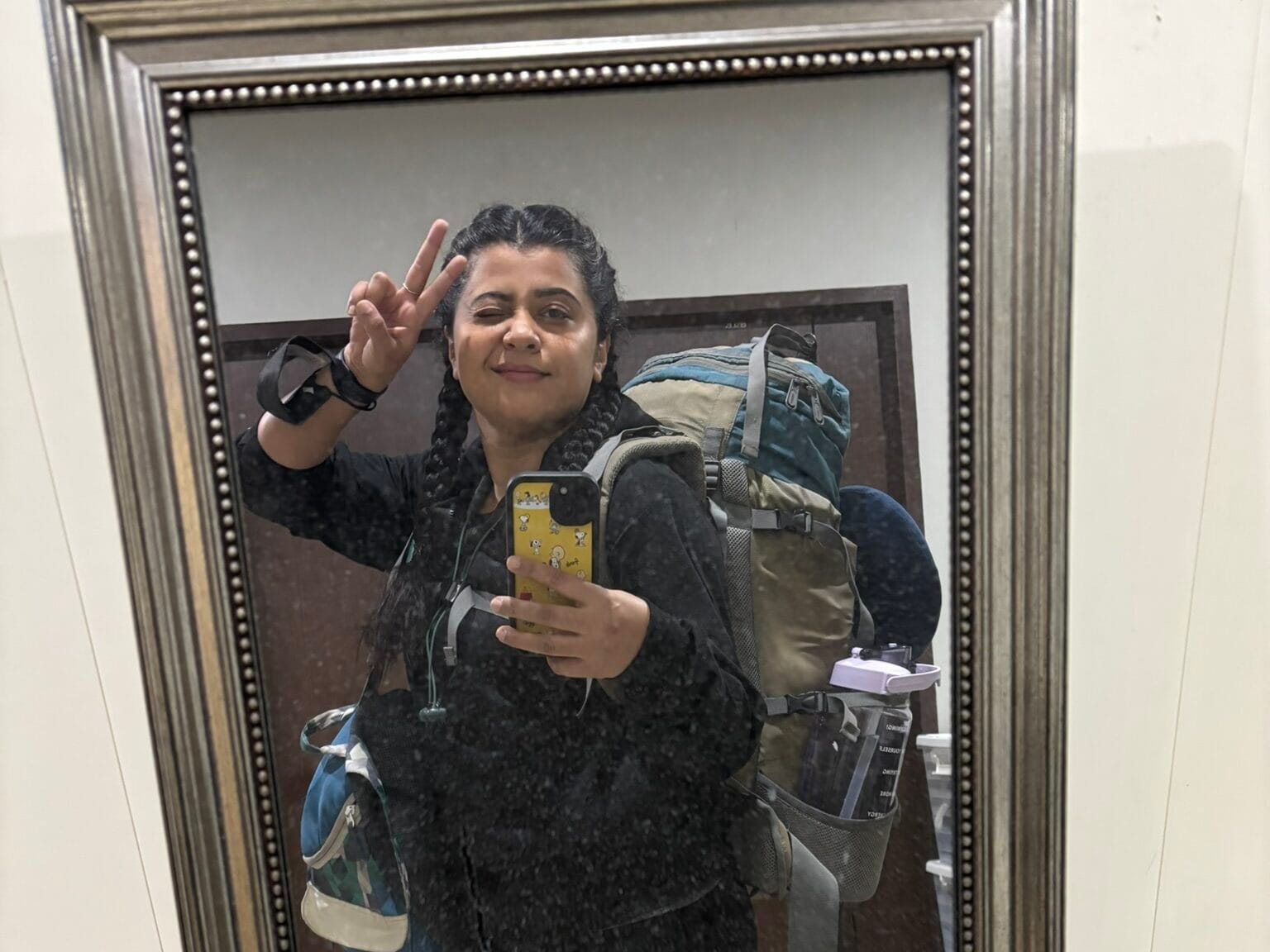
If I finally make it to Europe one day after spending years saving for it, there’s a very good chance I’ll try to squeeze quite a lot into those few precious weeks. And honestly, I don’t see anything wrong with that.
The difference is that I no longer expect myself to see everything.
I no longer feel like I’ve failed if I leave a city with a list of unfinished attractions or a country with places I didn’t get around to visiting.
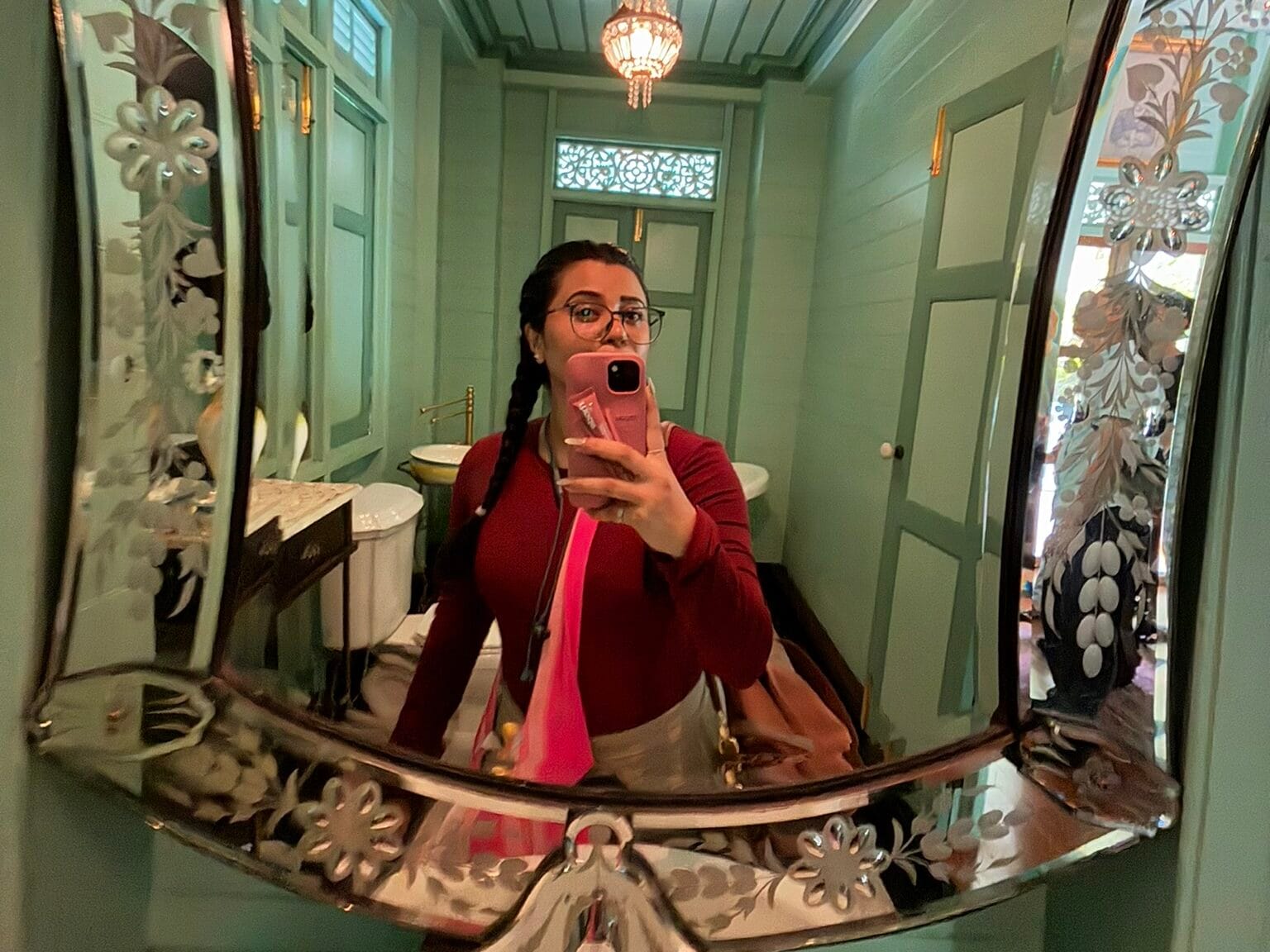
The older I get, the more I realise that there is no universally correct way to experience a place. There is only the version that makes sense for your budget, your responsibilities, your interests, your energy levels, and the season of life you’re currently in.
The important thing is that the trip belongs to you and not to somebody else’s idea of what travel should look like.
A Quick Note Before You Go
If this resonated with you, you might also enjoy some of my other reflections on travel, solo travel, and building a life that leaves room for curiosity.
You’ll also find destination guides, practical travel resources, and trip reports from places like Laos, Uzbekistan, Thailand, and beyond throughout the blog.
I also send a weekly newsletter where I share new stories, travel reflections, and the occasional reality check about the internet’s obsession with turning travel into a competitive sport. If that sounds like your kind of thing, I’d love to have you along.
And if you’d like to follow along in real time, you can find me on Instagram as well.
As always, if you have thoughts of your own, I’d love to hear them in the comments below.
Do you travel with a checklist, or have your travel habits changed over the years too?