Note: This post contains affiliate links. If you book through them, I may earn a small commission at no extra cost to you. I only recommend things I have personally used or genuinely believe in.
Planning a realistic Uzbekistan travel budget from India feels far more intimidating online than it actually is in real life. There is a common misconception that the Silk Road is an expensive endeavour reserved for retirement tours or luxury desert expeditions.
After spending over a week navigating the turquoise domes and dusty alleys of Uzbekistan, I found the opposite to be true. For travellers over 35 who value comfort but still keep an eye on the budget, Uzbekistan is remarkably kind to the wallet.
If you are travelling from India, most Uzbekistan travel budget guides ignore the context that actually matters. Western blogs usually break everything down in USD, which is helpful, but seeing the numbers in Indian Rupees gives a much clearer sense of what this trip realistically costs. Here is the full breakdown of my 8-day journey through Tashkent, Samarkand, and Bukhara.
Uzbekistan Travel Budget: Quick FAQs
Is Uzbekistan expensive for Indian travellers?
Not really. Compared to Southeast Asia, I found Uzbekistan surprisingly affordable for the experience, especially once you are inside the country.
How much does a Uzbekistan trip cost from India?
My 8-day trip across Tashkent, Samarkand, and Bukhara in April cost under ₹50,000 per person. This included direct flights, the e-visa, boutique guesthouses, bullet trains, plenty of food, sightseeing, and even a good amount of shopping.
What is the currency situation?
The local currency is the Uzbek Som (UZS). However, we could easily pay in USD at our guesthouses and even at a couple of the larger restaurants. As of writing this post, ₹1 is roughly equal to 126 Som.
While major hotels accept cards, Uzbekistan remains a cash-heavy economy. I recommend carrying a mix of USD for major expenses and Som for markets, taxis, and smaller eateries.
What is the Uzbekistan e-Visa fee for Indians?
The e-visa costs $20 (approx. ₹1,670) and is usually processed within 3 working days.
Pro tip: Make sure your digital passport photo is exactly 300 DPI, or the system will reject your application.
Are flights to Uzbekistan expensive from India?
Not anymore. I booked a direct IndiGo return flight from New Delhi to Tashkent with 30kg luggage for around ₹20,000.
That said, you should ideally book a couple of months in advance for the best fares. I booked mine nearly three months ahead.
Is Uzbekistan good for budget travel?
Yes, especially if you use trains, Yandex Go taxis, local eateries, and guesthouses instead of luxury hotels.
Is Uzbekistan safe for solo female travellers?
In my experience, extremely. Even walking through quiet streets at night felt surprisingly comfortable.
What is the cheapest way to travel between cities in Uzbekistan?
The Afrosiyob bullet train is the gold standard for slow travellers. It is fast, clean, and far more affordable than flying.
For local city travel, the Yandex Go app is your best friend. It ensures you pay local prices without any haggling. (You can order food on the app, too, by the way.)
👉 Must read: Mosaics and Magic in Samarkand, Uzbekistan
Flights from India to Uzbekistan
Flights ended up being far less painful than I expected, both logistically and financially.
I flew direct from New Delhi to Tashkent with IndiGo and paid roughly ₹20,000 round-trip, including 30kg check-in baggage. Considering this was an international flight into Central Asia, the price honestly surprised me. I have paid more than that flying domestically during peak Indian holiday seasons.
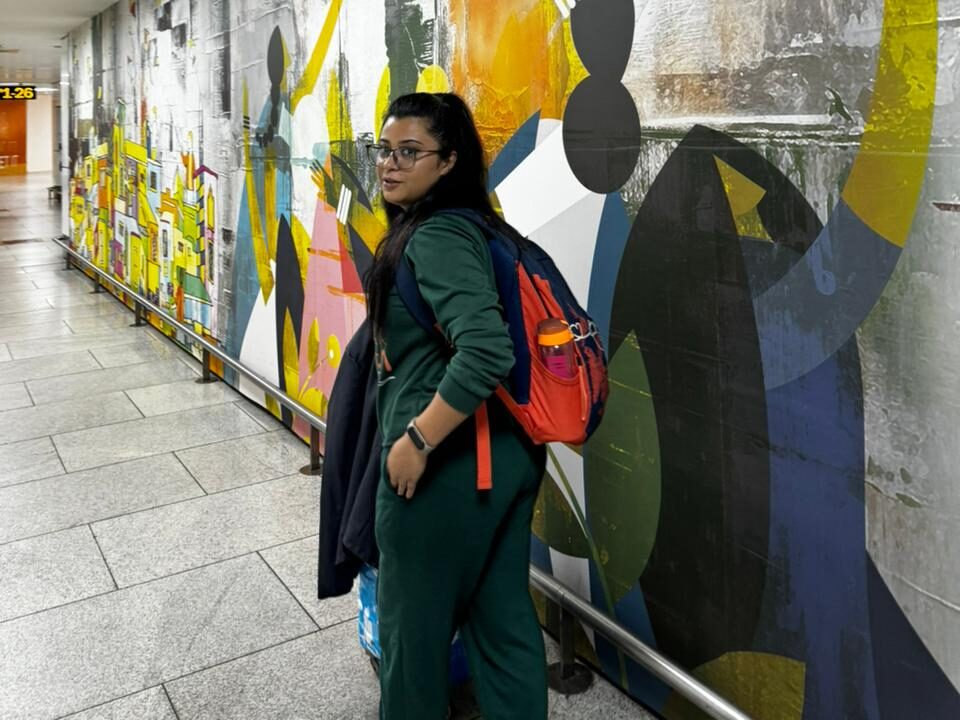
The route itself was straightforward, with no long layovers or airport marathons involving sad sandwiches and existential regret under fluorescent lighting.
At the moment, direct flights from India to Uzbekistan are still relatively limited, which is why booking early makes a huge difference. I booked mine almost three months in advance, and the fares climbed steadily afterwards.
If you are travelling from Southeast Asia like I was, you will likely need to reposition to India first unless you are willing to pay significantly more for multi-stop routes. Even with that extra leg, though, the overall Uzbekistan travel budget remained surprisingly reasonable.
One thing I appreciated was the generous baggage allowance. Between winter layers, souvenirs, and the completely predictable decision to return home carrying several kilos of dry fruits, the extra luggage space did not go to waste.
Visa Costs and the Slightly Annoying Photo Situation
For Indian passport holders, the Uzbekistan e-visa process is refreshingly uncomplicated. The visa costs $20 USD (around ₹1,670 as of writing this post), is valid for 30 days, and in my experience, was approved within three working days.
The actual application itself is fairly straightforward. Passport details, travel dates, accommodation information, standard stuff.
The only part that nearly pushed me into mild digital rage was the passport photo requirement.
Unlike many visa systems that quietly accept whatever vaguely passport-shaped JPEG you upload, the Uzbekistan portal is extremely particular. Your photo needs to be exactly 300 DPI, properly cropped, under the file size limit, and somehow still clear enough to resemble a functioning human being.
Mine was rejected the first time because of the DPI issue, which I only discovered after aggressively staring at the upload page like it had personally betrayed me.
Once that was sorted, though, everything moved quickly.
One thing I appreciated overall was how little bureaucracy was involved compared to some other destinations. No mountains of paperwork, no mandatory hotel prepayments, no complicated interview process. For a country that still feels slightly mysterious to many Indian travellers, Uzbekistan was surprisingly accessible from the visa side of things.
Accommodation Costs in Uzbekistan
One of the nicest surprises of the trip was how much comfort we could afford without destroying the budget.
Uzbekistan sits in a very satisfying middle ground where you can still find genuinely charming places to stay without entering the financial territory of “minimalist luxury” hotels that offer one chair, beige walls, and emotional emptiness for ₹18,000 a night.
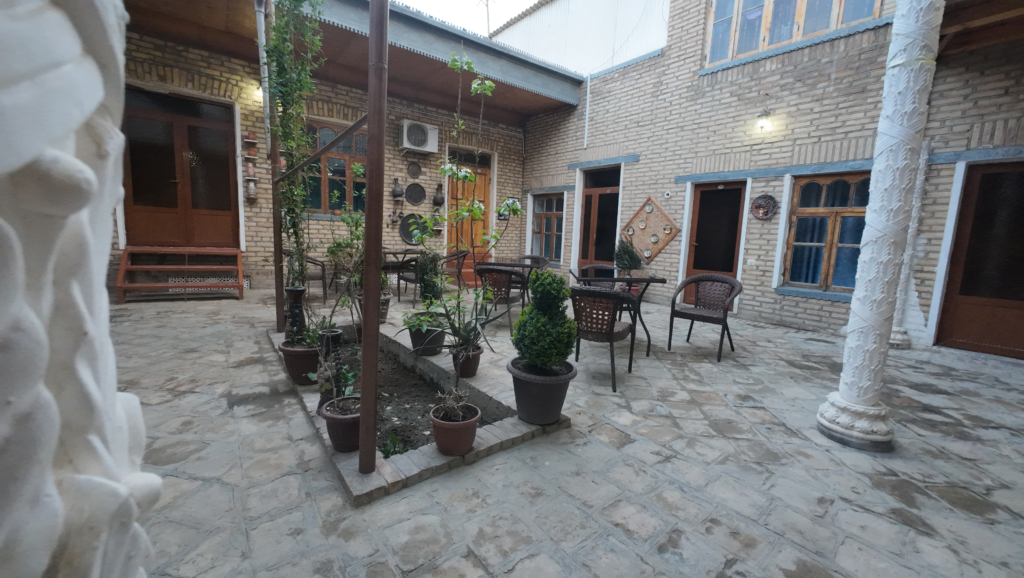
In Tashkent, we spent our first two nights at Ridon Lux Hotel, which came to roughly ₹5,800 total for two nights, split between two people. That worked out to around ₹2,900 each for the stay, which felt very reasonable for a clean, comfortable hotel in the capital with strong air conditioning and a shower powerful enough to restore faith in humanity after a long travel day.
In Samarkand, we stayed at B&B Emir near Gur-i-Amir and paid approximately ₹3,900 total for two nights. This was honestly one of my favorite stays of the trip. The guesthouse had traditionally decorated rooms arranged around a quiet inner courtyard, breakfast included, and the kind of atmosphere that makes you briefly consider disappearing into Silk Road life permanently.
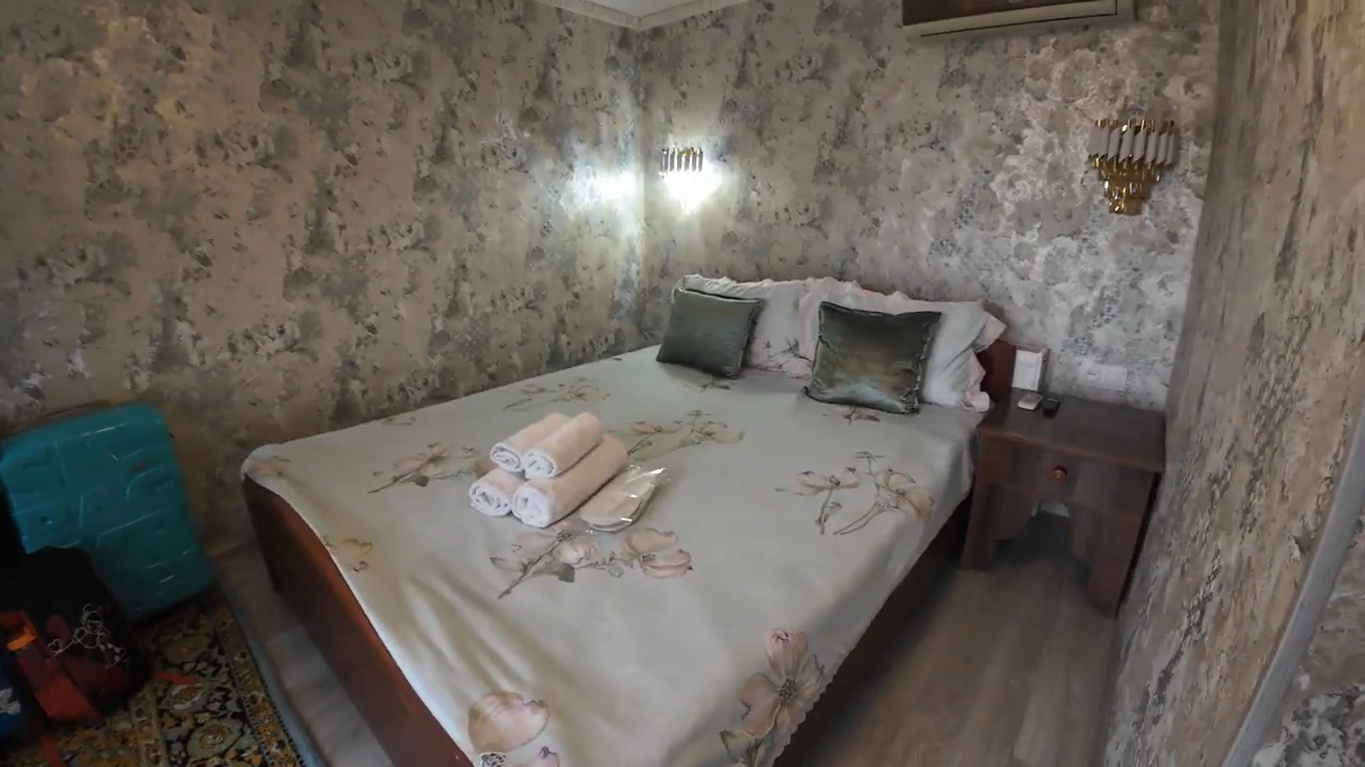
Bukhara ended up being even cheaper. We stayed at Hotel Ravshan Boutique in the old town and paid around ₹2,750 total for two nights. The location was excellent, the room had a private bathroom, and most of the major sights were within walking distance. Evenings in Bukhara felt unusually calm and unhurried, which made staying inside the old city especially worth it.
Finally, before flying out, we spent one night at Topchan Hostel in Tashkent, paying around ₹1,500 total for a twin private room with a shared bathroom. Even the hostel experience felt comfortable and well-organised rather than chaotic backpacker survival training.
Overall, accommodation was where Uzbekistan consistently exceeded my expectations. Even while prioritising privacy, cleanliness, central locations, and a little bit of character, the overall Uzbekistan travel budget remained surprisingly manageable.
Transport Costs in Uzbekistan
Transport ended up being one of the most pleasantly surprising parts of the entire trip.
Before arriving, I had somehow convinced myself that getting around Uzbekistan would involve complicated negotiations, language barriers, and at least one deeply suspicious taxi experience. Instead, it turned out to be remarkably easy, affordable, and far more organised than I expected.
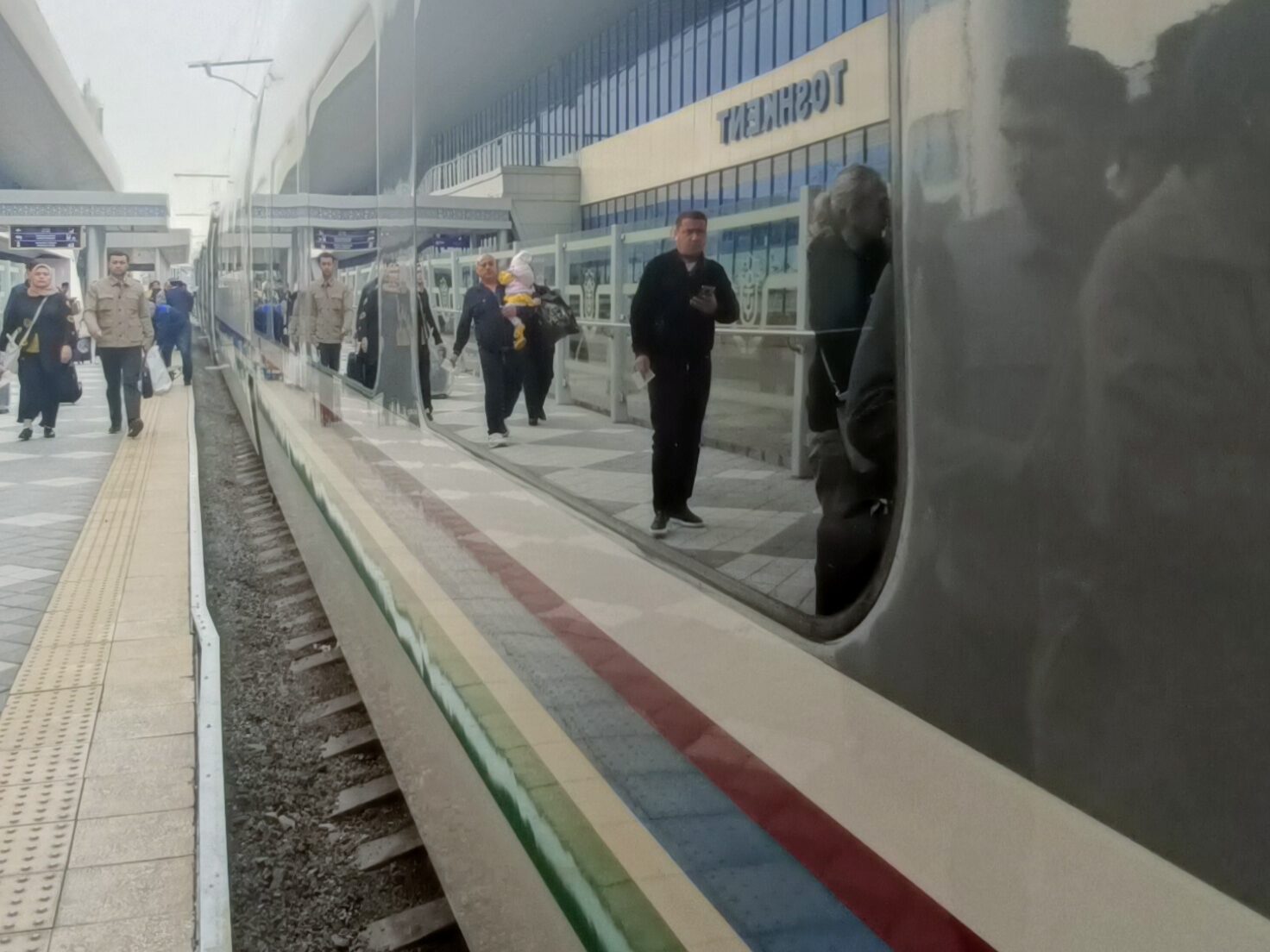
For intercity travel, the Afrosiyob bullet train is absolutely worth it.
We paid around $20 USD one-way for the Tashkent to Samarkand route, and honestly, it felt like a bargain. The train was clean, comfortable, punctual, and covered the journey in roughly two hours. Considering the alternative would have been a domestic flight plus airport transfers and the general emotional exhaustion airports tend to produce, the train felt infinitely more civilised.
We also took the same train from Samarkand to Bukhara, which was similarly comfortable and efficient. If you are planning to travel between Tashkent, Samarkand, and Bukhara, I genuinely think the train is the best option. The rail network also extends further toward Khiva, which many travellers include in their itinerary, although we had to skip it because we were short on time.
Within cities, Yandex Go became our survival tool.
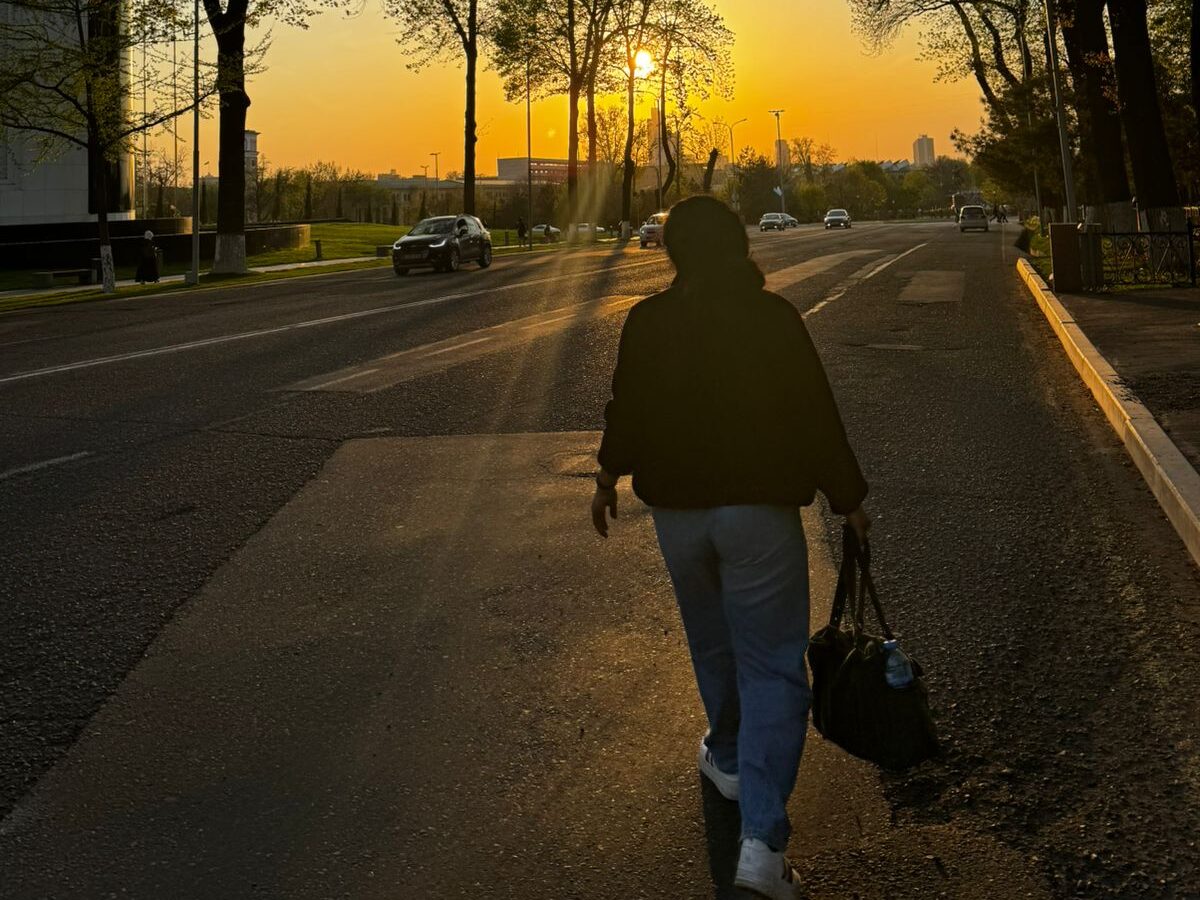
If you have used Uber or Grab before, the app works very similarly. You can book taxis directly through the app without needing to negotiate prices or explain directions in broken English and hand gestures. It also gives solo travellers an extra layer of comfort because every ride is digitally recorded.
And the prices were honestly ridiculous in the best possible way.
A 10km cab ride in Tashkent cost us roughly 15,000 Som, which worked out to around ₹100. Even our airport transfer, covering only around 6km, costs barely anything. I had to double-check the app several times because my brain refused to accept that the numbers were correct.
Tashkent also has a surprisingly beautiful metro system that deserves a mention of its own. The stations are clean, efficient, and architecturally stunning, with many featuring elaborate Soviet-era designs, chandeliers, mosaics, and marble interiors. Even if you are not relying heavily on public transport, it is worth taking at least one metro ride just for the experience.
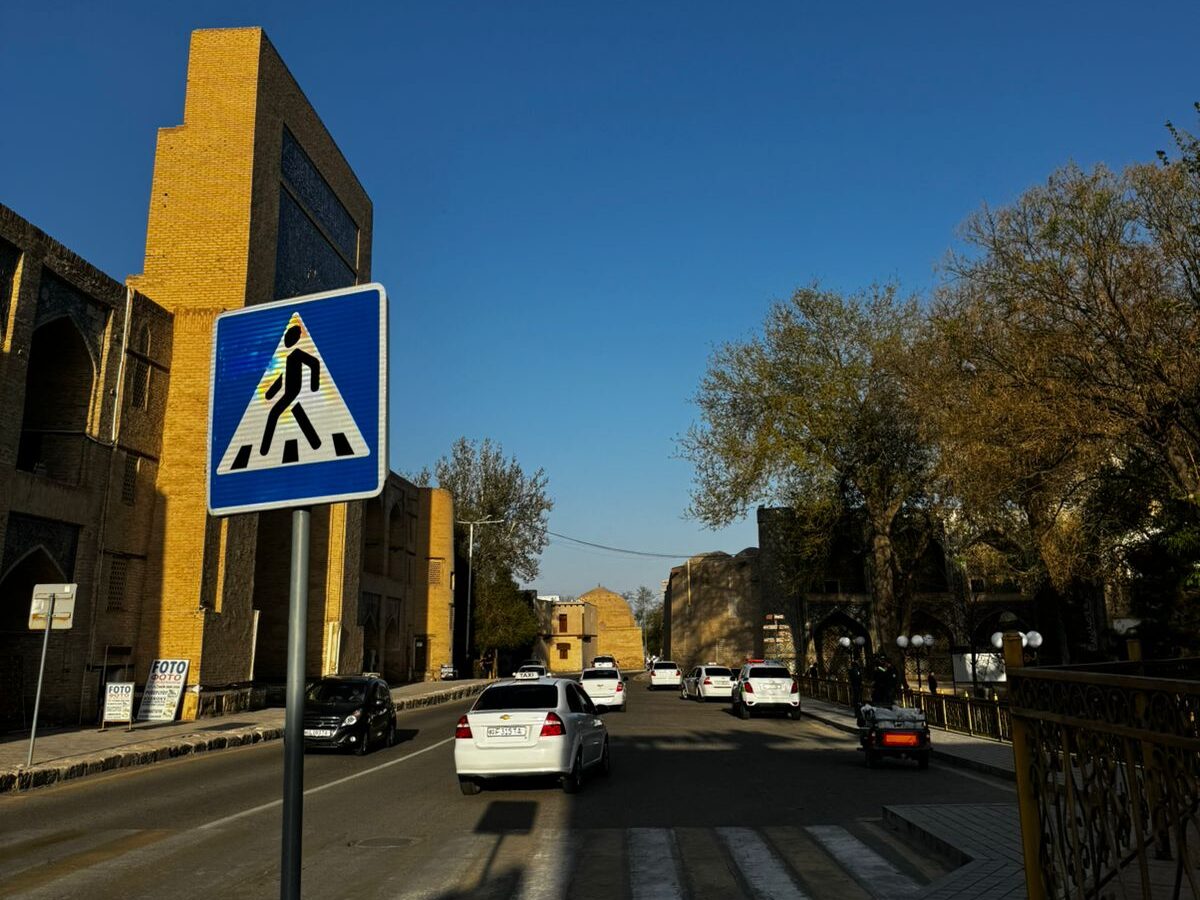
Bukhara, meanwhile, is wonderfully walkable if you stay in or near the old city centre. Most of the major attractions, restaurants, and historic sites are clustered close together, which meant we barely needed transport at all once we arrived.
Overall, transport was one of the easiest parts of keeping our Uzbekistan travel budget under control without sacrificing comfort or safety.
Food Costs in Uzbekistan
Food was probably the easiest category to stay within budget without ever feeling deprived.
Uzbekistan is not the kind of destination where you survive on sad convenience-store snacks while emotionally budgeting every meal. Even eating out regularly, we found the overall food costs surprisingly reasonable for the quality and portion sizes.
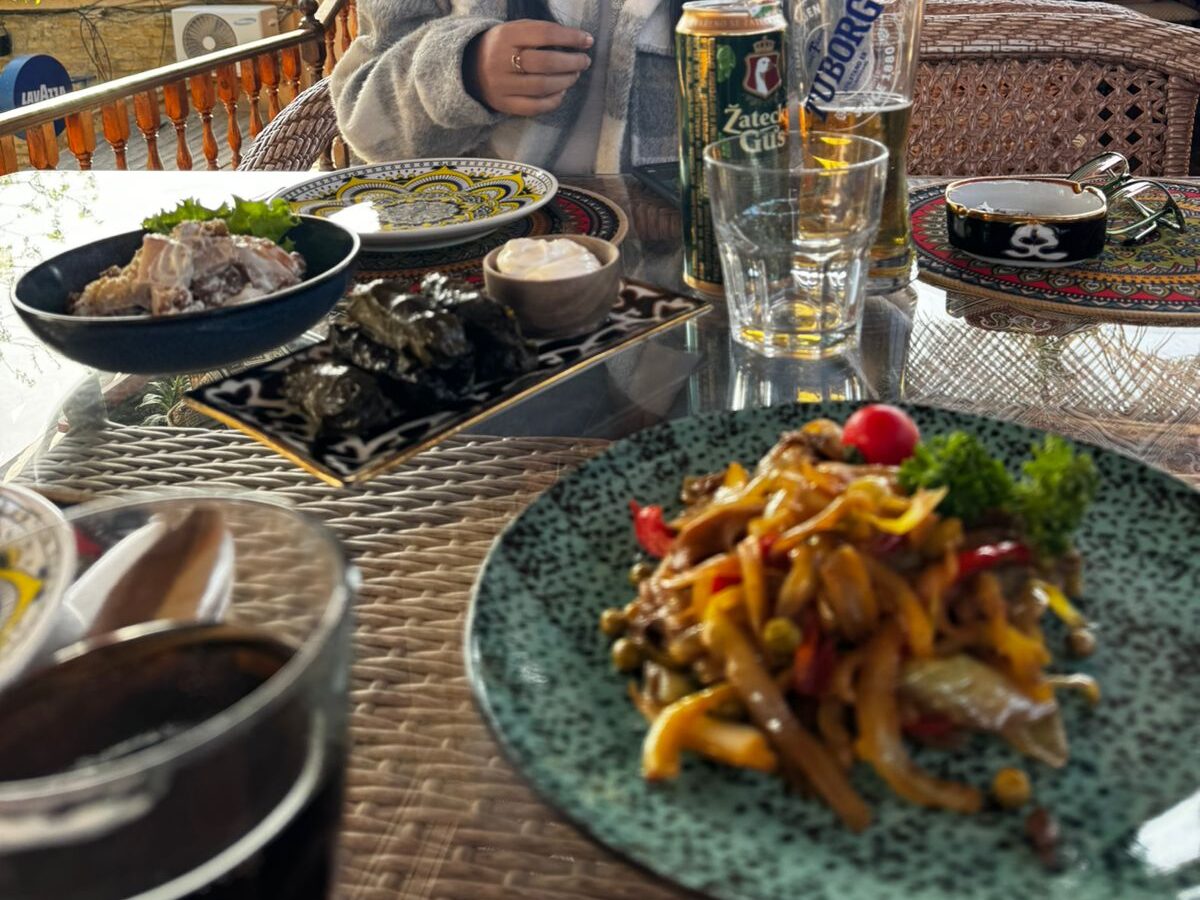
At smaller local eateries, a full meal with plov, non bread, tea, and sides usually cost us around ₹200–₹300 per person. Portions were generous to the point where ordering responsibly became increasingly difficult after the first few days.
The plov alone deserves its own paragraph. Every city claims theirs is the best, every restaurant insists theirs is authentic, and after a week of rice, lamb, carrots, and enough oil to briefly concern your cardiovascular system, I completely understood why people get emotionally attached to it.
Tea, meanwhile, appears constantly and often without extra charge. Most meals arrive with a teapot large enough to support several life decisions and at least one unnecessarily philosophical conversation.
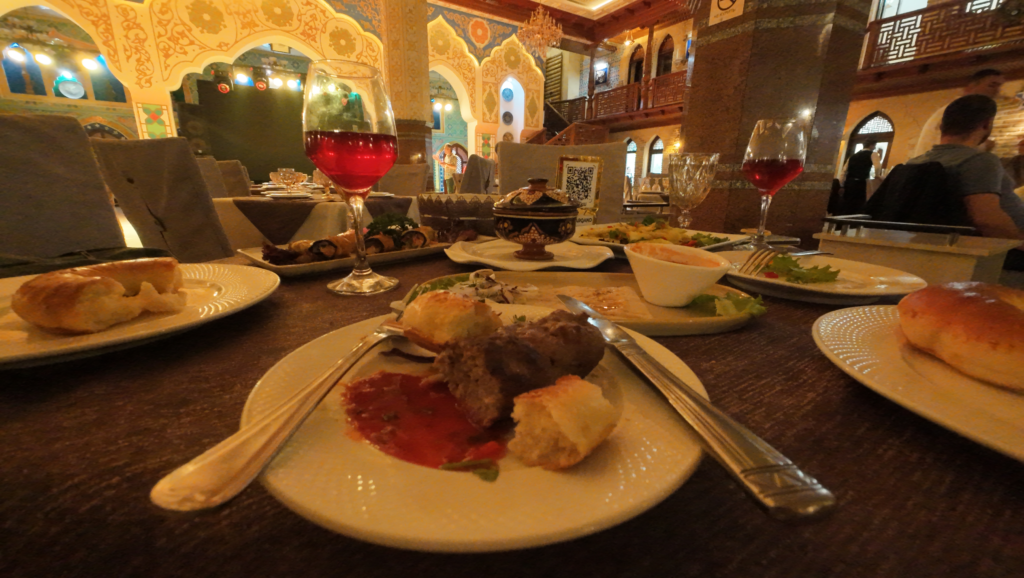
We also had the occasional nicer dinner, especially in Bukhara, where we spent around ₹1,200 per person at a more upscale restaurant with multiple courses, tea, wine, and enough food to justify cancelling breakfast the next morning. Even then, the prices still felt very reasonable compared to what a similar meal would cost in Bangkok or most Indian metro cities.
Street food and market snacks were also inexpensive. Fresh bread, dried fruits, nuts, and pastries were easy to find throughout the trip, and dangerously easy to keep buying despite repeatedly telling myself I had already purchased enough snacks “for the journey.”
One thing worth noting is that vegetarian travellers may need to put in slightly more effort, especially outside larger cities or tourist-focused restaurants. Uzbek cuisine is heavily meat-based, though breads, salads, soups, and vegetable dishes are still widely available if you ask.
Overall, food ended up being one of the most enjoyable parts of travelling in Uzbekistan on a budget. We ate extremely well throughout the trip without once feeling like we had to compromise on experience to save money.
Sightseeing and Entry Fees
One of the nicest things about travelling through Uzbekistan is that even the major historical landmarks remain relatively affordable compared to similarly famous sites elsewhere in the world.
Considering some of these places have stood at the centre of Silk Road history for centuries, the entry fees often felt surprisingly reasonable for the experience you were getting.
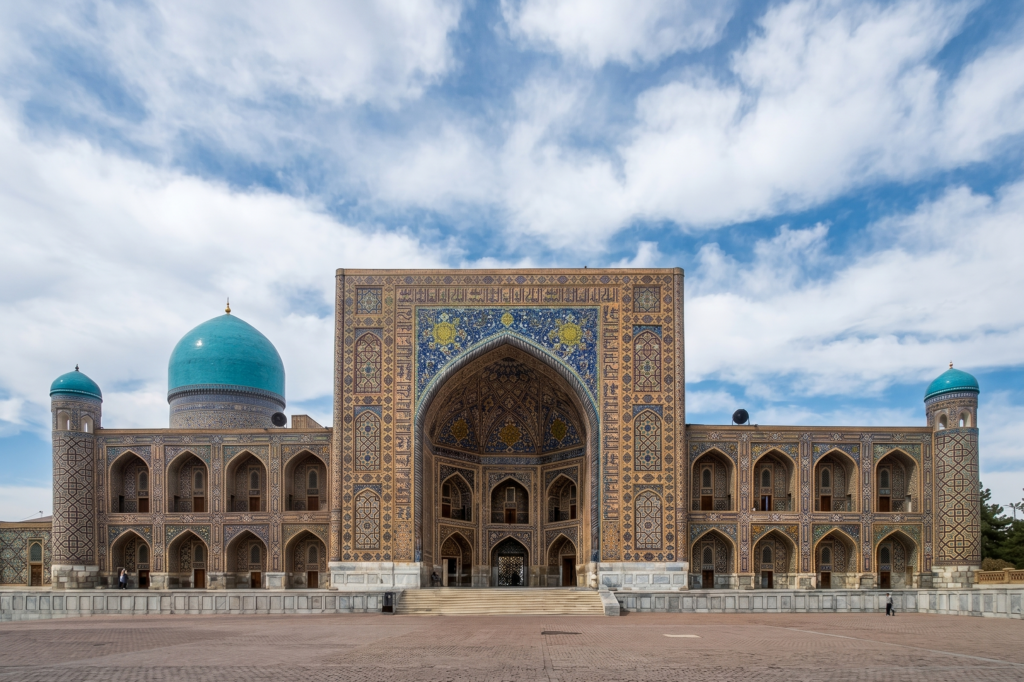
Registan Square, easily the most iconic site in Samarkand, cost us around 65,000 Som (roughly ₹430). And honestly, after standing there beneath those enormous turquoise facades, I would probably have paid significantly more without complaint.
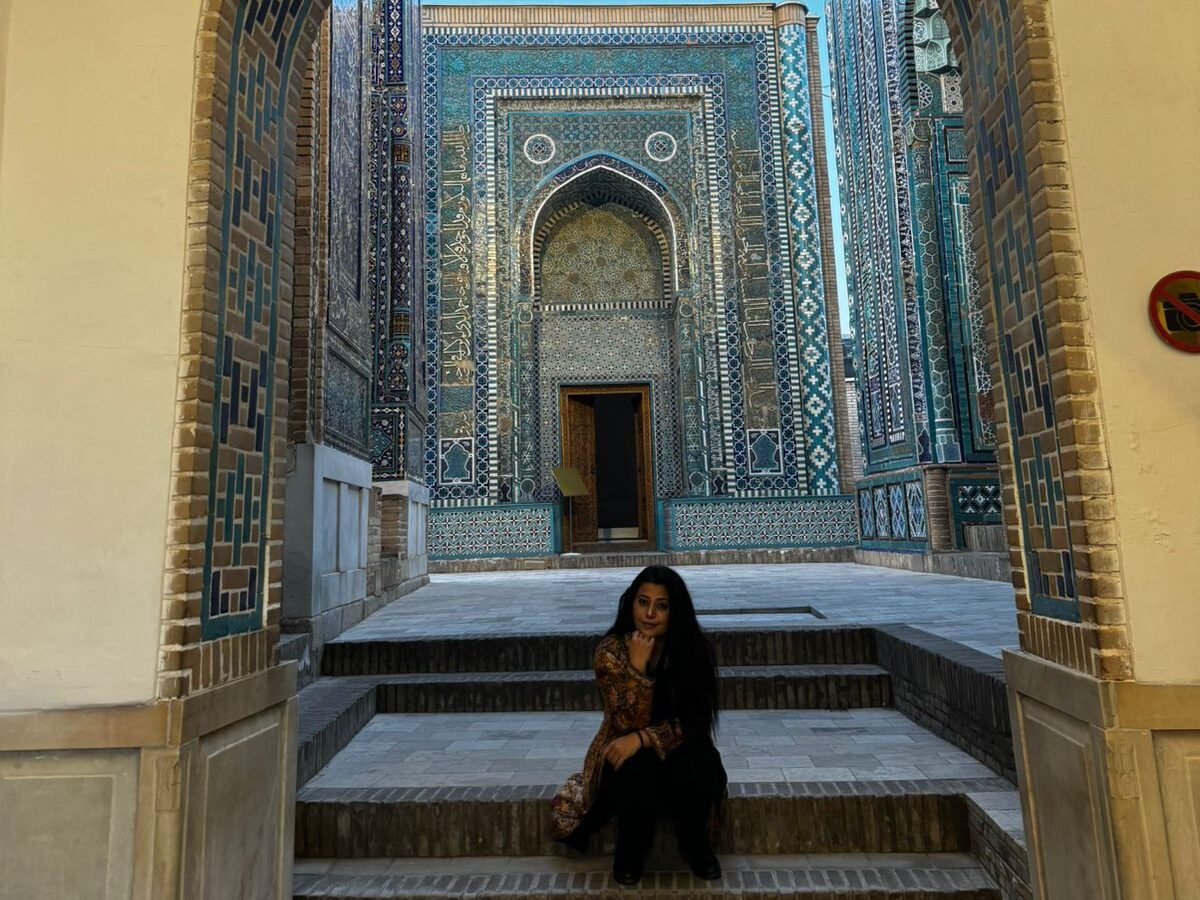
Shah-i-Zinda, which ended up becoming my favourite place in the entire country, cost around 40,000 Som (approximately ₹265). Watching the late afternoon light hit those blue-tiled corridors remains one of the most surreal travel moments I have had in years.
The Amir Temur Mausoleum was even cheaper at around 30,000 Som (roughly ₹200), and absolutely worth visiting both for the architecture and the sheer historical weight of the place.
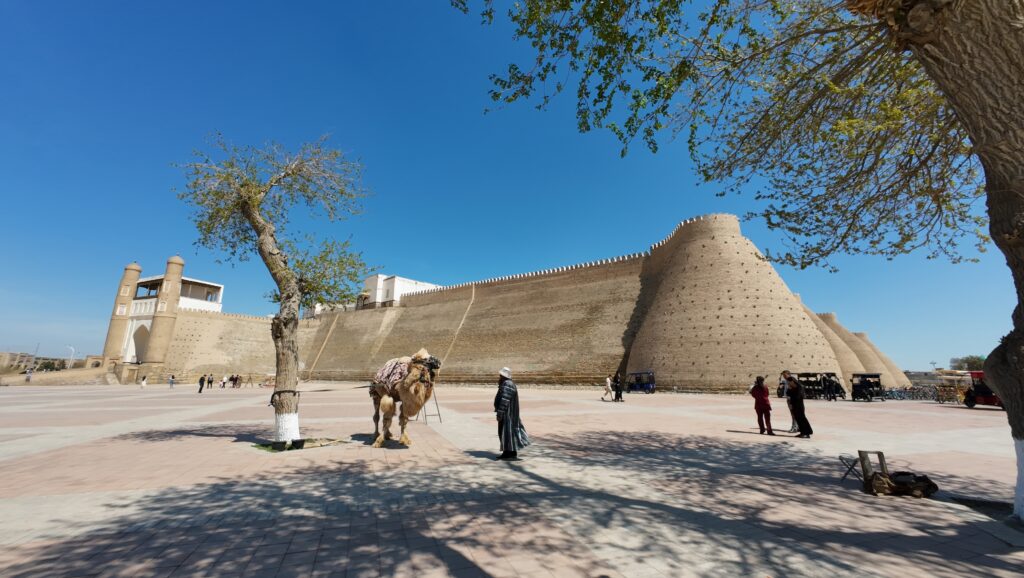
In Bukhara, we also paid around 50,000 Som (roughly ₹330) to climb the observation tower overlooking the old city. The view itself was beautiful, but more than that, it gave us a real sense of how compact and walkable the historic centre actually is.
What also helped keep the Uzbekistan travel budget manageable was the fact that so much of the experience costs nothing at all.
Some of my favourite memories from the trip involved simply wandering through old neighbourhoods, sitting in quiet courtyards, getting lost near madrasas, or watching the city slowly change colour around sunset. Uzbekistan rewards slow travel in a way that feels increasingly rare.
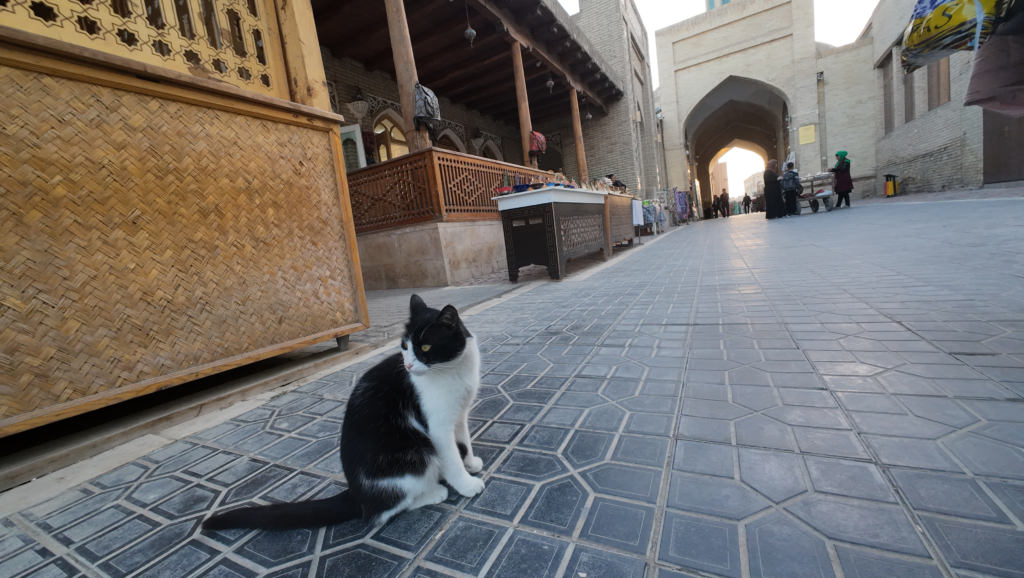
Unlike some destinations where every meaningful experience seems hidden behind another ticket counter, Uzbekistan still allows you to absorb a huge amount of atmosphere simply by existing there for a while.
Shopping and Souvenirs in Uzbekistan
I went to Uzbekistan fully intending to be financially responsible and returned carrying approximately four kilos of dry fruits like a Silk Road merchant who had temporarily lost all self-control.
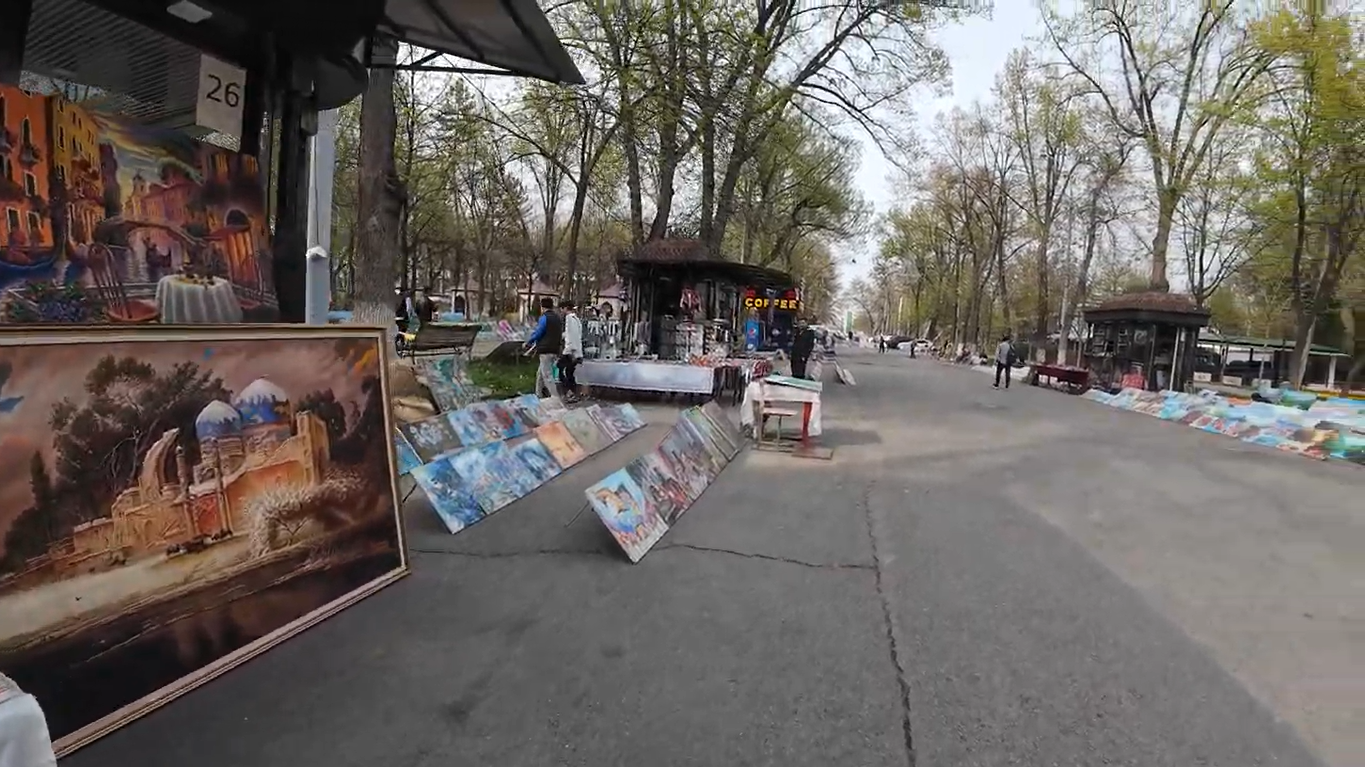
Shopping in Uzbekistan can become surprisingly tempting once you start wandering through bazaars and old city markets. Between the spices, ceramics, embroidered textiles, handmade souvenirs, and endless mountains of nuts and dried apricots, restraint becomes largely theoretical.
The dry fruits alone were worth the damage.
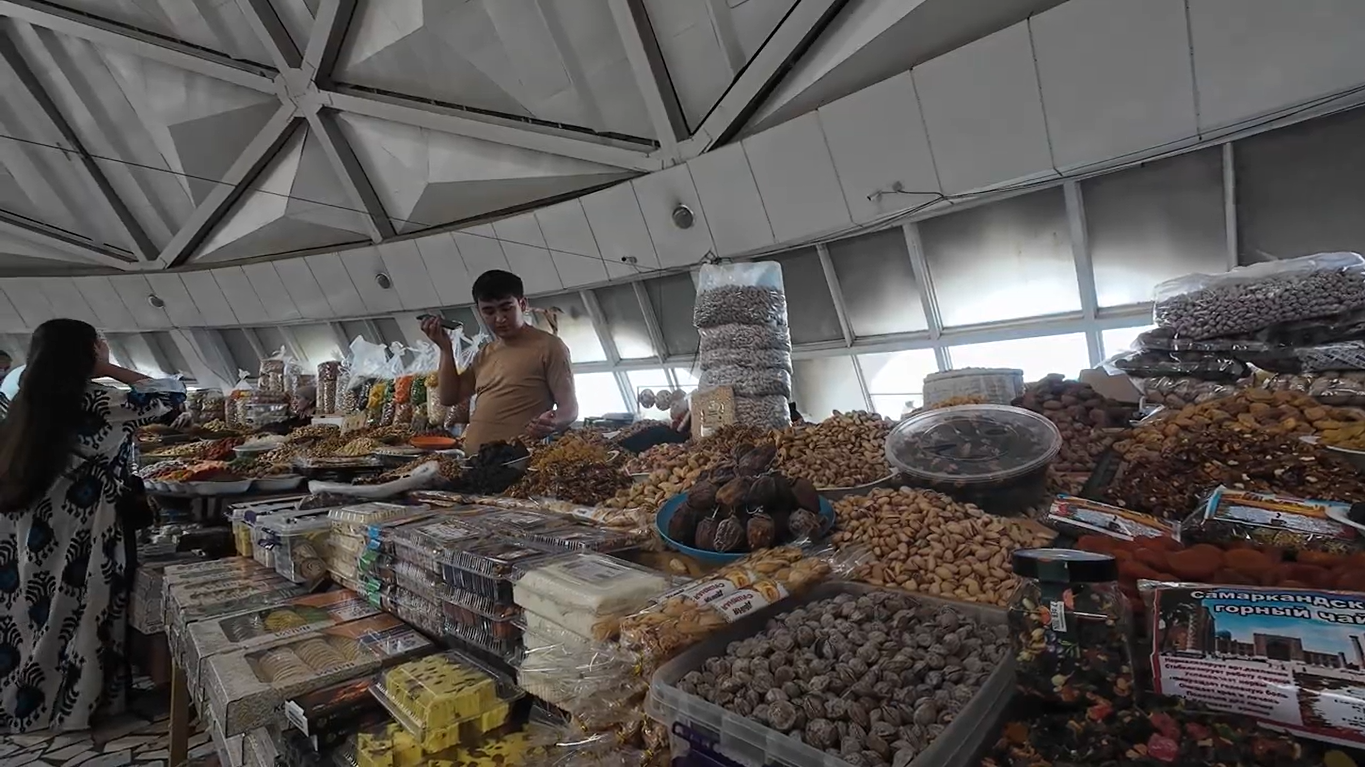
We bought around 4kg of mixed pistachios, almonds, raisins, and apricots for roughly 330,000 Som, which worked out to around ₹2,000. Considering the quality, freshness, and sheer quantity involved, it felt like one of the better financial decisions of the trip despite the increasingly concerning weight of my luggage afterwards.
Smaller souvenirs were also fairly affordable. We paid around 130,000 Som (approximately ₹860) for a handful of postcards and fridge magnets across different cities, while a child’s t-shirt from the market cost around 40,000 Som (roughly ₹260).
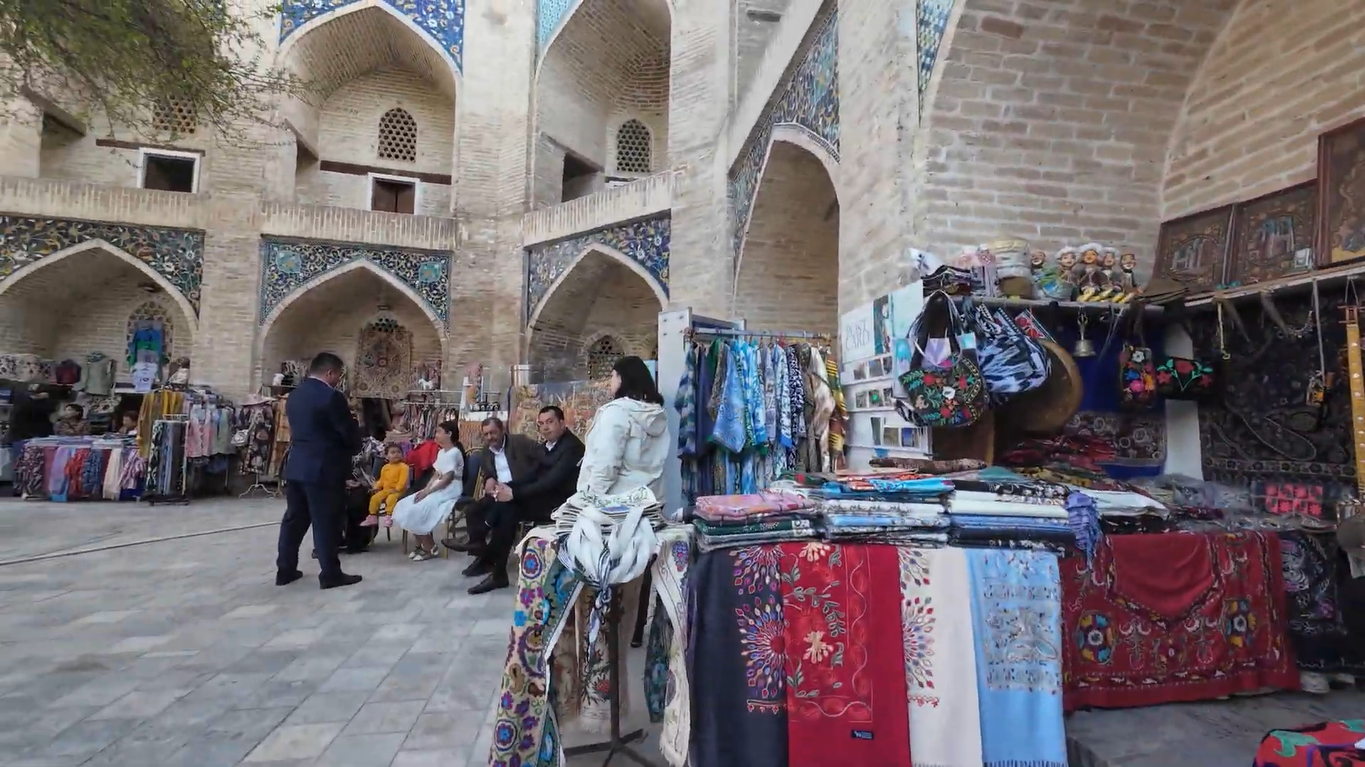
One thing I appreciated was that many markets still felt genuinely local rather than aggressively commercialised for tourists. Of course, bargaining exists, but most prices already felt reasonable enough that the experience remained more enjoyable than exhausting.
If you are trying to keep your Uzbekistan travel budget extremely tight, you could easily spend very little on shopping. But realistically, if you enjoy markets even slightly, you will probably leave with at least one bag containing dried fruit, souvenirs, and several questionable attempts at “just browsing.”
Uzbekistan Travel Budget: The Full Breakdown
By the end of the trip, my total Uzbekistan travel budget came to just under ₹50,000 per person for 8 days across Tashkent, Samarkand, and Bukhara.
That total included:
- direct international flights from Delhi
- the Uzbekistan e-visa
- accommodation across all three cities
- Afrosiyob bullet train tickets
- taxis and local transport
- sightseeing and monument entry fees
- restaurant meals and café stops
- shopping and souvenirs
- and several completely unnecessary quantities of dried fruit
What surprised me most was not just the affordability itself, but the level of comfort that budget allowed.
This was not ultra-budget backpacking. We were not sleeping in crowded dorms every night, surviving on instant noodles, or spending twelve hours negotiating transport in bus stations held together by collective optimism.
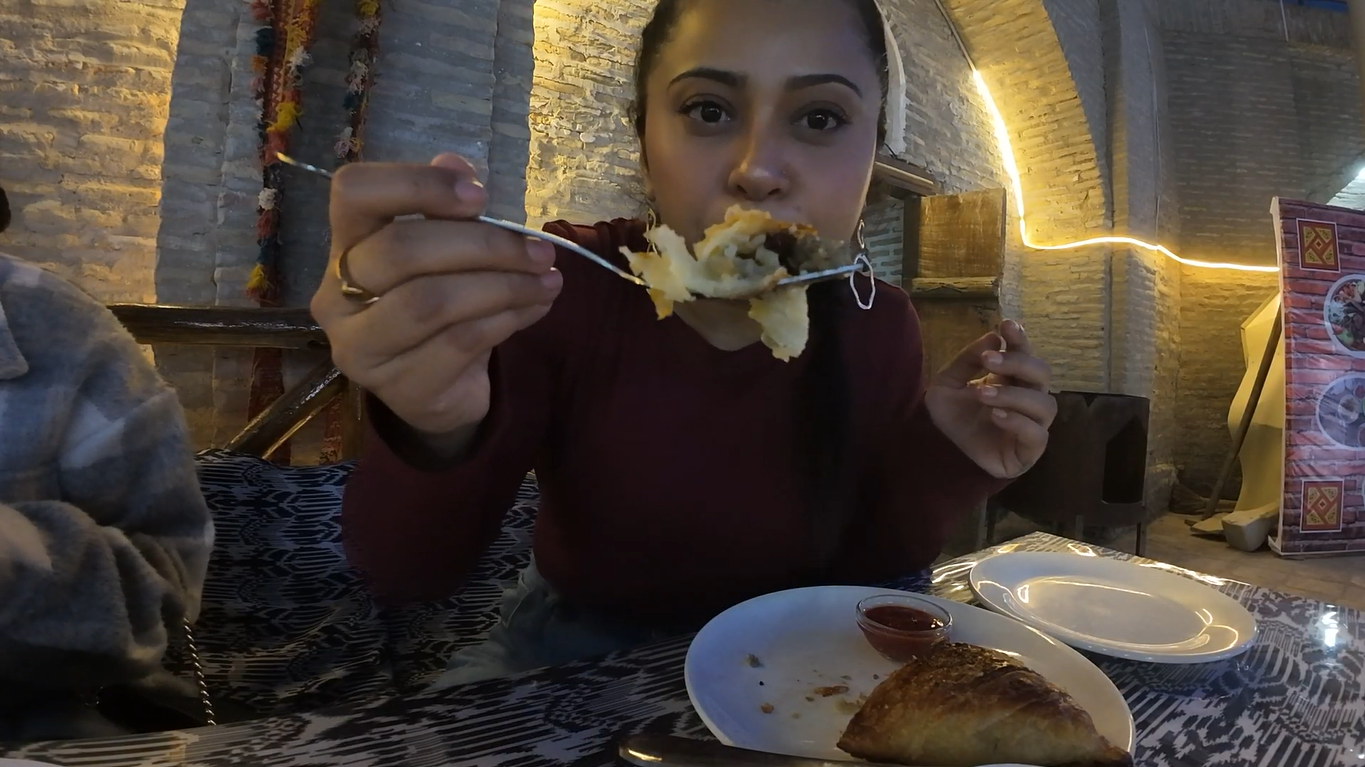
We stayed in private rooms, travelled comfortably between cities, ate well, used taxis whenever we were tired, and still managed to keep the overall cost lower than many shorter trips I have taken elsewhere.
Could you do Uzbekistan cheaper? Definitely.
Hostels, slower trains, stricter shopping self-control, and fewer restaurant meals would bring the cost down significantly.
Could you also spend more? Easily.
Luxury hotels, domestic flights, guided tours, and upscale dining exist throughout the country if that is your style.
But for travellers looking for a balance between comfort, culture, safety, and affordability, Uzbekistan sits in a genuinely sweet spot that still feels oddly underrated considering how extraordinary the experience is.
For me personally, it ended up being one of the highest value-for-money trips I have taken in years.
Final Thoughts: Is Uzbekistan Worth It?
Absolutely.
Uzbekistan ended up being one of those rare trips where the experience consistently felt more expensive than the reality of what I was actually spending. Somewhere between the tiled madrasas of Samarkand, the slow evenings in Bukhara, the endless cups of tea, and the surprisingly painless train journeys, the country quietly exceeded almost every expectation I had going in.
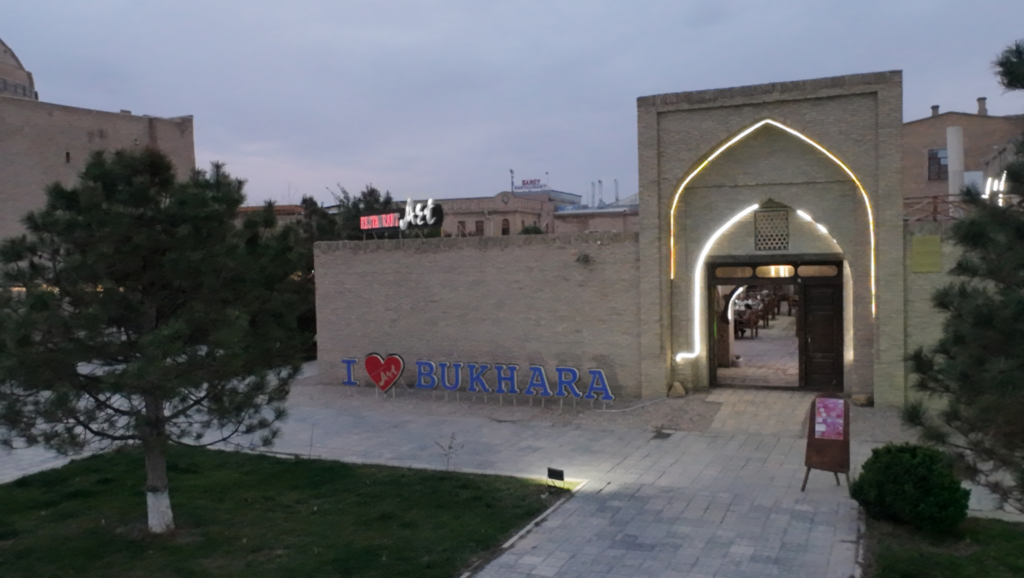
What stayed with me most was not just the architecture or the history, though both are extraordinary. It was the overall ease of the experience.
For a destination that still feels relatively unfamiliar to many Indian travellers, Uzbekistan is remarkably approachable. The infrastructure is good, the cities are manageable, the train system works beautifully, and even travelling independently never felt overwhelming.
And perhaps most importantly, it still feels genuine.
There are tourists, of course, but much of the country still retains a kind of quietness that allows you to absorb places slowly instead of rushing through them for photographs and checklists. You can still sit in a courtyard with a pot of tea and hear almost nothing except distant conversation and footsteps against old stone.
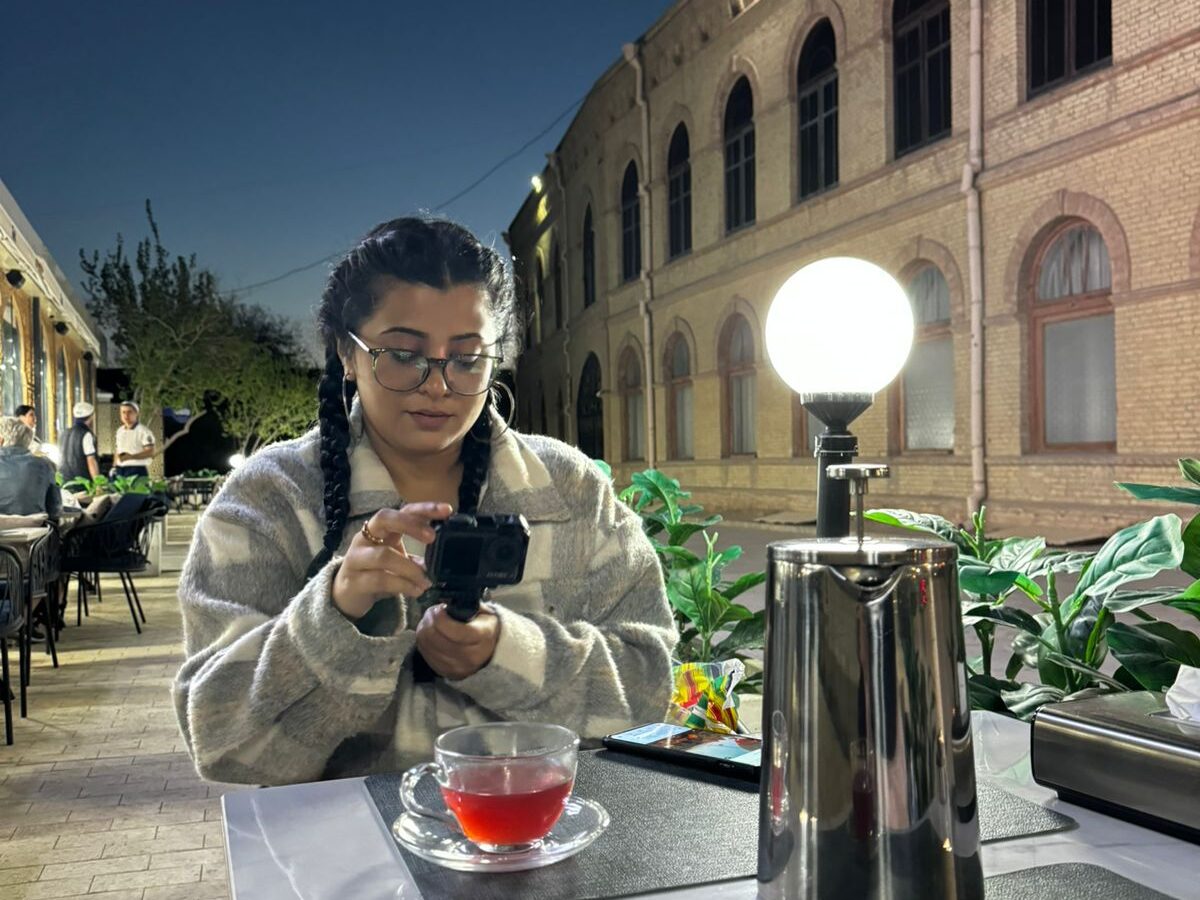
Financially, it also occupies a surprisingly comfortable middle ground. You do not need to backpack aggressively or sacrifice comfort to make the trip affordable. Even with private rooms, restaurant meals, shopping, and intercity trains, the overall Uzbekistan travel budget remained far more reasonable than I had expected.
I went to Uzbekistan hoping for beautiful architecture and a change of scenery. I left with one of the most memorable trips I have taken in years.
And honestly, I am already thinking about going back.
🌿 Planning Your Trip?
If Uzbekistan has been sitting quietly on your travel wishlist somewhere between “maybe one day” and “I should research this properly,” let this be your sign to take it seriously.
You do not need luxury tour packages, complicated planning spreadsheets, or a six-figure budget to experience the Silk Road. Uzbekistan is one of those rare destinations that still feels adventurous without being inaccessible, especially for travellers who enjoy slower, more grounded experiences.
I am gradually building a full Uzbekistan collection on the blog, including detailed city guides, train travel experiences, honest reflections, and practical breakdowns from my time there. Samarkand is already live, and Bukhara, Tashkent, and the full Afrosiyob train experience will follow soon.
If you have not joined the Hippie Souls Society yet, this might be a good time. I only show up in your inbox when I have something genuinely useful or a story worth telling. No spamming!
If you have questions about the guesthouses, train bookings, budgeting, or planning Uzbekistan as an Indian traveller, feel free to slide into my DMs. I am always happy to help based on recent experience.
And if this post helped you in any way, do share it with someone who has been dreaming about the Silk Road but quietly assuming it would cost far more than it actually does.
You can also connect with me on Instagram if that’s easier.
Also, if any of my posts help your travel plans in any way, don’t forget to drop a short comment below (helps a budding writer stay motivated!).