Note: This post contains affiliate links. If you book through them, I may earn a small commission at no extra cost to you. I only recommend things I have personally used or genuinely believe in.
One thing that many years of solo travel have taught me is that some countries make travelling feel like hard work; some do not. Laos was definitely the latter. From crossing the border from Thailand to wandering through Vientiane and taking the train north to Luang Prabang, the entire week felt remarkably easy. It was also one of those trips where I kept noticing how far my money went. That got me curious about something I always want to know before booking a journey: what does a realistic Laos travel budget actually look like?
After adding up everything from my overnight journey from Thailand and the LCR train to accommodation, food, tuk-tuks, sightseeing, and the inevitable little purchases along the way, here is what I actually spent on one week in Laos.
How Much Does One Week in Laos Cost?
I spent most of my time in Luang Prabang and about 24 hours in Vientiane. My timing had its challenges because several plans were disrupted by a passing typhoon. Nonetheless, my total expenditure for seven days came to:
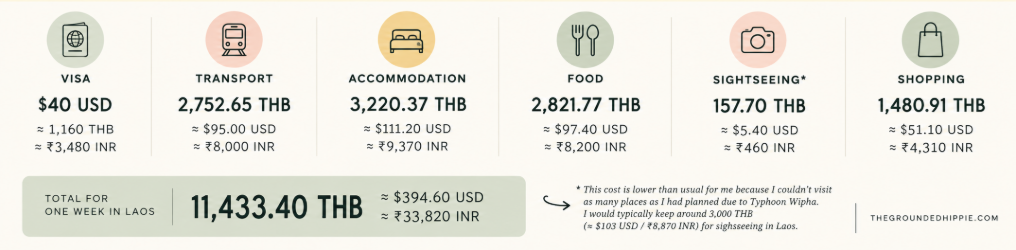
**Please note: I’ve kept costs in LAK, THB, USD, and INR where possible, but a few expenses remain in THB as that’s the currency I originally paid in. USD and INR figures are approximate, as exchange rates change constantly.
Laos Travel Budget: Quick FAQs
Is Laos expensive for Indian travellers?
I found Laos surprisingly affordable, particularly for accommodation, food, and daily transport. If you are travelling from India, the largest expense will be your flights, as there are currently no direct routes between India and Laos.
How much does a one-week trip to Laos cost?
My one-week trip through Vientiane and Luang Prabang cost 11,433.40 THB (approximately $360 / ₹31,000), including my visa, lodging, meals, train fares, sightseeing, and market shopping. I travelled overland from Thailand, so this total does not include flights into Southeast Asia.
What currency do you use in Laos?
The local currency is the Lao Kip (LAK). Having physical cash is essential for smaller purchases, family-run eateries, and local transport. Credit cards are accepted at boutique hotels and larger restaurants, though usually with a small transaction surcharge. Throughout this guide, I list the prices in Kip alongside conversions in Baht, USD, and INR to keep the numbers practical.
How much is the Laos visa on arrival?
I paid $40 USD in cash at the border station. Visa requirements and fees can vary slightly depending on your nationality, so always verify current embassy policies before departure.
Are flights from India to Laos expensive?
Because there are no direct commercial flights from India to Laos, you will need a connecting route. Bangkok, Hanoi, and Ho Chi Minh City are the most practical transfer hubs. While I entered overland via train from Thailand, return flight routes from New Delhi to Vientiane typically average around 10,000 to 12,000 THB ($320 to $380 / ₹27,000 to ₹32,000) when booked in advance.
Is Laos good for budget travel?
Yes, exceptionally so. Laos is one of the few places where you do not need to sacrifice comfort to keep expenses low. Comfortable guesthouses, clean trains, and inexpensive regional food allow you to travel on a modest budget without turning the journey into a test of physical endurance.
Is Laos safe for solo female travellers?
I felt completely at ease travelling through Laos as an independent woman. My days in Vientiane and Luang Prabang were quiet and hassle-free; I walked around, caught local vans, and explored without feeling on edge. Standard travel awareness applies, especially after dark, but it remains a gentle country to navigate alone.
What is the cheapest way to travel around Laos?
For intercity transit, the Lao-China Railway (LCR) is the most comfortable and budget-friendly option, particularly between Vientiane and Luang Prabang. Within cities, shared shuttle vans and transport apps like Loca and KOKMOVE (in Vientiane) offer transparent, set fares without the need for intense haggling.
👉 Also read: Solo Travel in Laos: The Honest, Unexpected Truth
Getting to Laos: How Much Does It Cost?
How you choose to arrive depends on whether Laos is your primary holiday or part of a broader journey through Southeast Asia. Since I live in Thailand, overland transport was an obvious choice.
Taking the Overnight Train from Bangkok to Vientiane
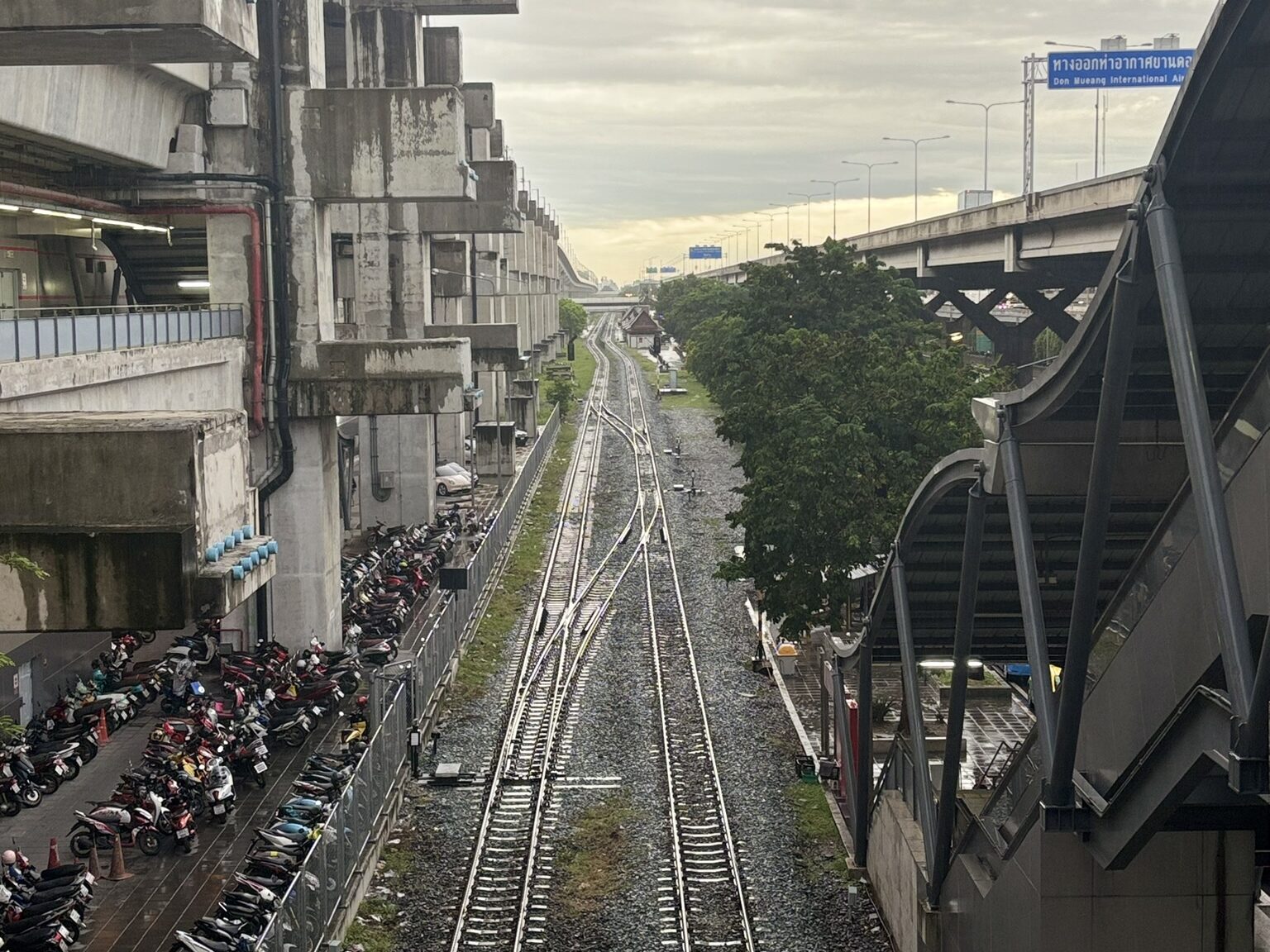
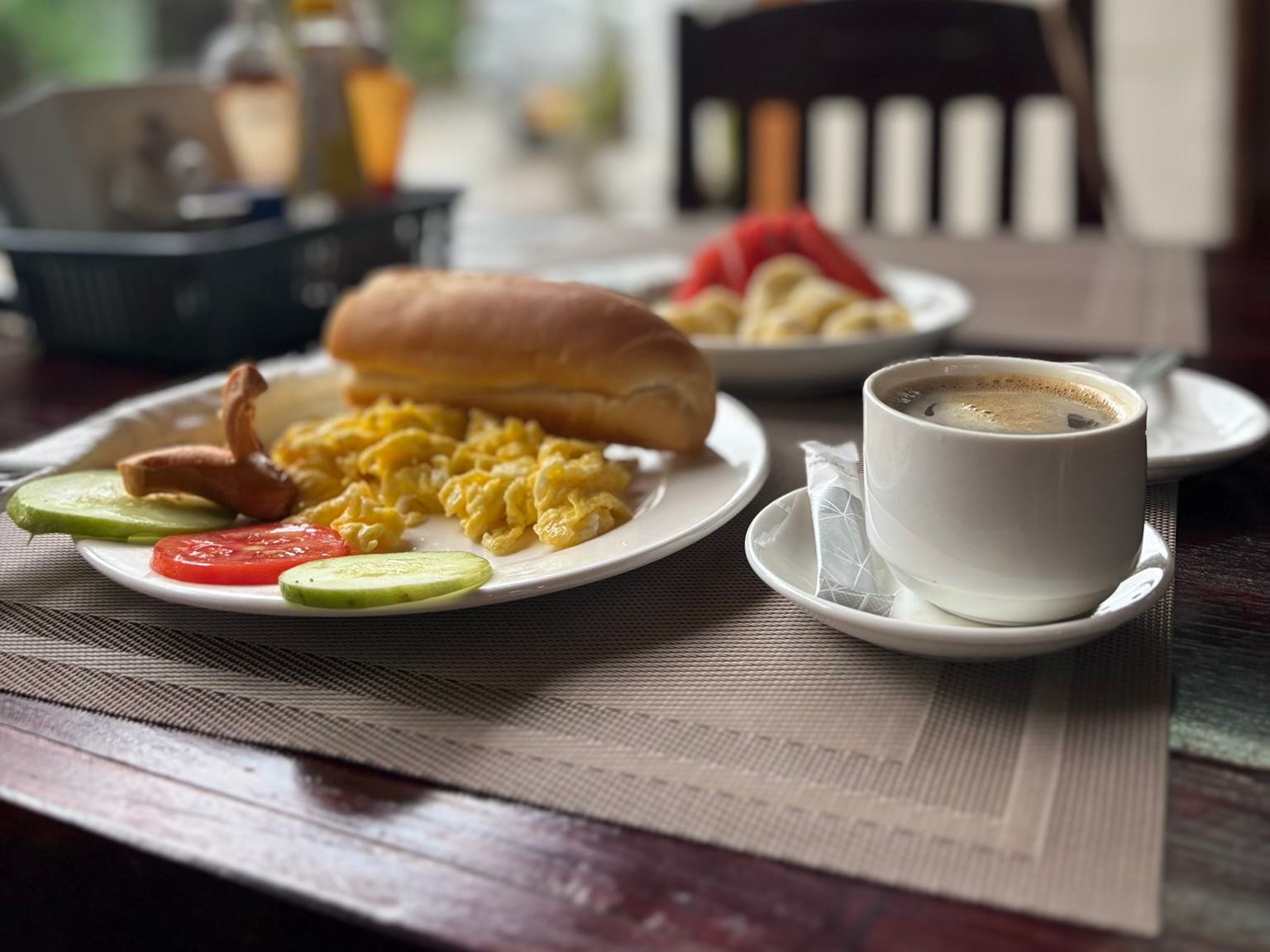
If your itinerary already brings you through Thailand, adding Laos is remarkably simple. I took the overnight sleeper train from Bangkok directly across the border to Khamsavath Station in Vientiane.
A second-class air-conditioned sleeper berth cost me 869 THB each way. It saved me two separate hotel nights and avoided airport transfers entirely. I took the same train back at the end of the week, making it an efficient overland loop.
I’ve written a separate guide to the Bangkok to Vientiane train, including the booking process, what to expect at the border, and the full journey, if you want the practical details before deciding whether it’s right for you.
Flying to Laos from India
If you’re travelling to Laos specifically rather than combining it with Thailand, flying will probably be the more practical option.
There are currently no direct flights from India to Laos, so you’ll need at least one connection. Bangkok, Hanoi and Ho Chi Minh City are among the common connecting points.
I travelled overland from Thailand, so I haven’t personally flown this route and won’t add a made-up flight cost to my budget. Your fare will depend heavily on your departure city, travel dates and chosen connection.
Laos Visa Cost
For Indian travellers, the visa process is fairly straightforward, but the best option depends on how you’re entering Laos.
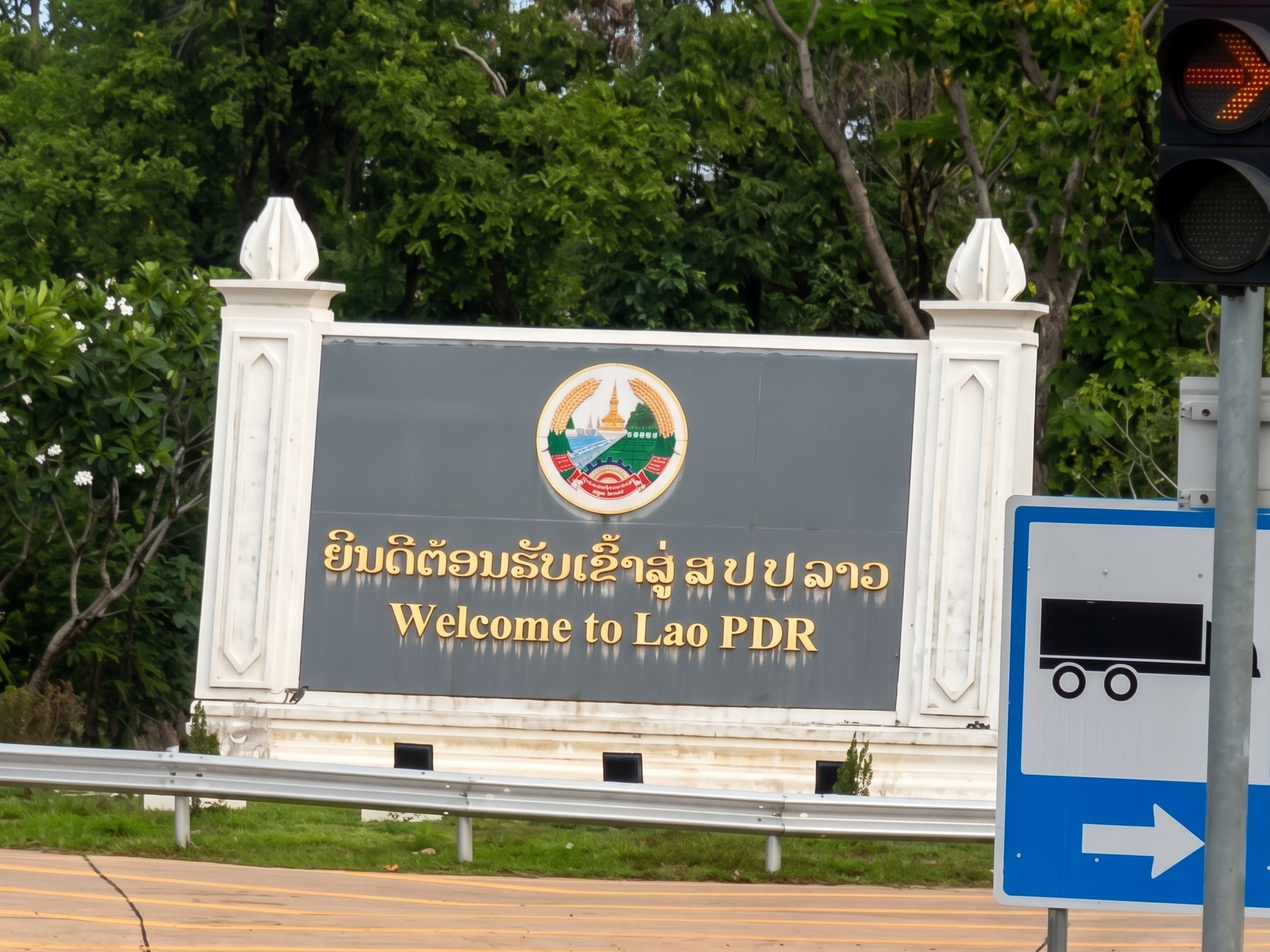
If You’re Taking the Train from Bangkok
If you’re following the same route I did, you can get your Visa on Arrival at Khamsavath Railway Station when you arrive in Vientiane.
I paid $40 USD in cash for my visa. The process took me around 20–30 minutes, and the visa counter is right at the station, so there’s no need to arrange your visa before boarding the train.
I have a separate blog covering exactly what happens at Khamsavath, including the documents you’ll need and what to expect when you arrive so you can read my full guide about Laos Visa on Arrival at Khamsavath Station.
If You’re Flying from India
If you’re flying directly into Laos from India, you’ll generally want to arrange your Lao eVisa before you travel rather than relying on the train-station process.
The official Lao eVisa system accepts applications from eligible nationalities, including Indian passport holders, and eVisa entry is available at Wattay International Airport in Vientiane and Luang Prabang International Airport. The eVisa allows a 30-day stay and is normally processed within three working days.
The eVisa fee is calculated according to nationality on the official website, so I’d recommend checking the current fee when you are ready to plan your Laos travel budget.
👉 Also read: The Ultimate Solo Female Travel Essentials You Truly Need
Accommodation in Laos: Where I Stayed and What I Spent
Where you stay makes quite a difference in both Vientiane and Luang Prabang, although for different reasons.
In Vientiane, most visitors tend to base themselves around the city centre, particularly the areas around the Mekong waterfront, the Nam Phou Fountain and the main central streets. This is convenient for restaurants, cafés, markets and the city’s main sights, although the capital feels more spread out than Luang Prabang.
In Luang Prabang, the historic Old Town is the obvious choice if you want to be within easy walking distance of the night market, temples, restaurants and the Mekong. The area around the peninsula tends to be livelier, while staying a little further out can give you a quieter, more residential feel without putting you too far from the centre.
Vientiane: House of Jars Hostel
In Vientiane, I stayed at House of Jars Hostel for one night.
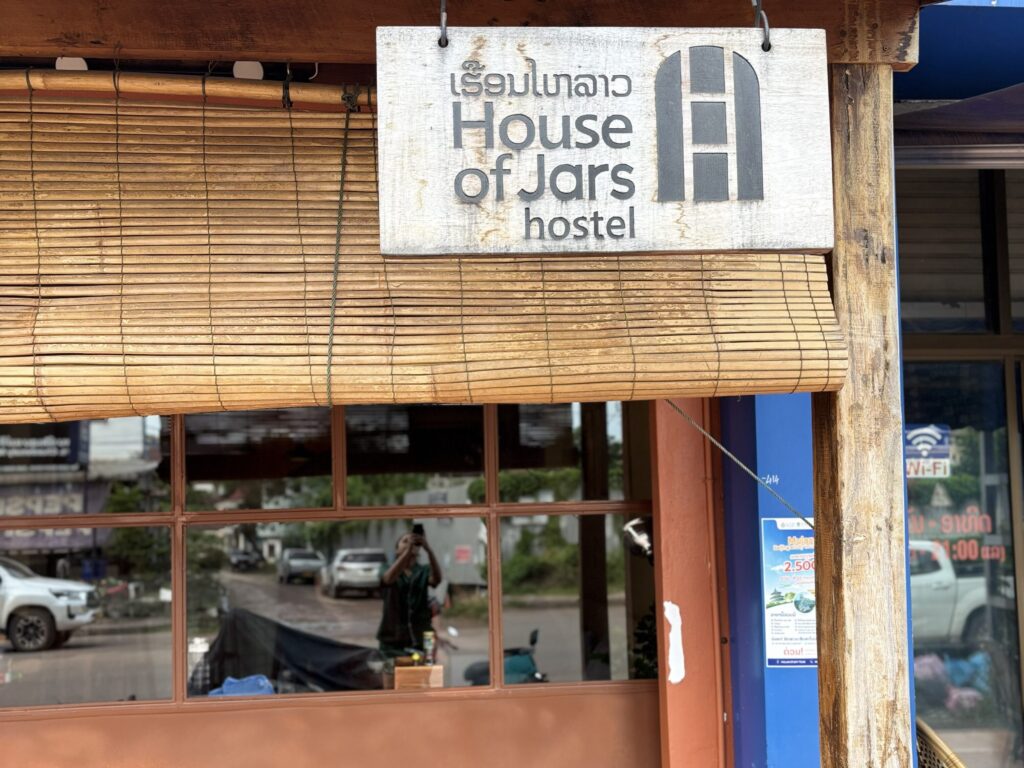
A cozy bunk bed in a really neat and tidy mixed dorm cost just 270 THB, including breakfast. For a short stop in the capital, it was a simple and practical choice that kept my accommodation costs low. Also, the hostel was in proximity to many of the sites I wanted to visit, either by a gentle walk or a short bike ride.
Luang Prabang: Le Khoun Souk Boutique Guesthouse
In Luang Prabang, I stayed at Le Khoun Souk Boutique Guesthouse.
A Deluxe Double Room cost roughly 700 THB per night, including breakfast. The room had a double bed, a private bathroom, a TV, and a spacious balcony.
The guesthouse is in a quiet residential area, about a seven-minute walk from the famous night and morning markets and many other attractions in the city, giving me a quieter base while keeping the centre within easy walking distance.
Getting Around Laos: What I Spent on Transport
One of the most pleasant ways Laos surprised me was by showing me how easy it was to get around. I had mentally prepared myself to be challenged a little when it came to local transport, but it turned out to be remarkably straightforward and, importantly for this budget breakdown, very affordable. I can’t recall ever needing to haggle over a fare.
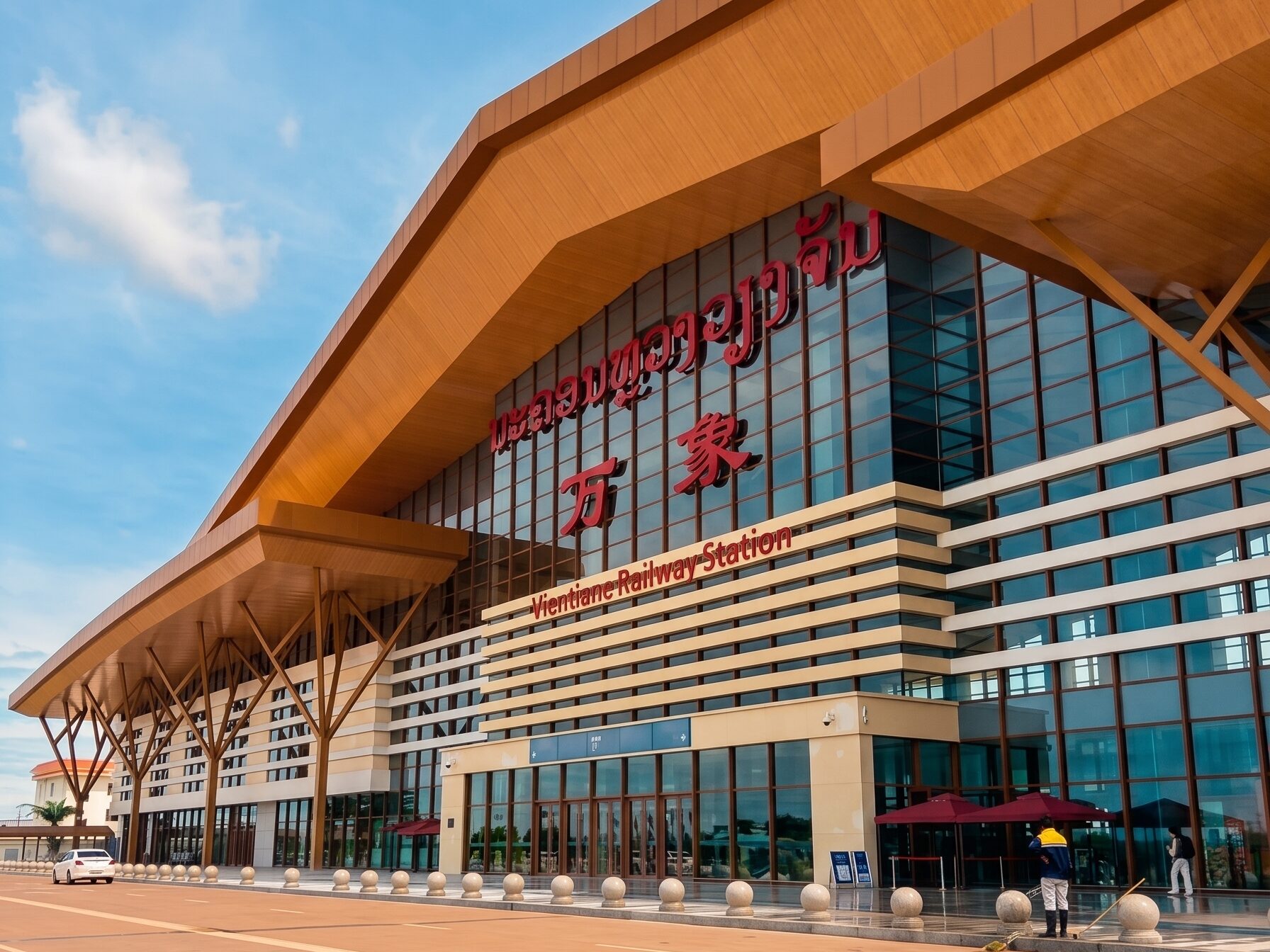
Getting from Khamsavath to Vientiane LCR Station
My first local transport experience came almost immediately after arriving in Laos.
The overnight train from Bangkok arrives at Vientiane Khamsavath Station, but that’s not the station you need for the LCR trains to Luang Prabang. The two stations are around 20–30 minutes apart, so this is something worth knowing if you’re following the same route.
A green shuttle bus operates from outside Khamsavath Station to the Vientiane LCR station. I had around a 30-minute wait before the bus departed, and the fare was just 30,000 LAK, roughly 45 THB / $1.40 / ₹130.
Taking the LCR to Luang Prabang
I had pre-booked my train tickets online, but I chose different services for my outward and return journeys.
The train from Vientiane to Luang Prabang was the K-series Ordinary Train, which takes around 2 hours 45 minutes to 3 hours. My ticket cost 393,000 LAK, roughly 590 THB / $18.50 / ₹1,700.
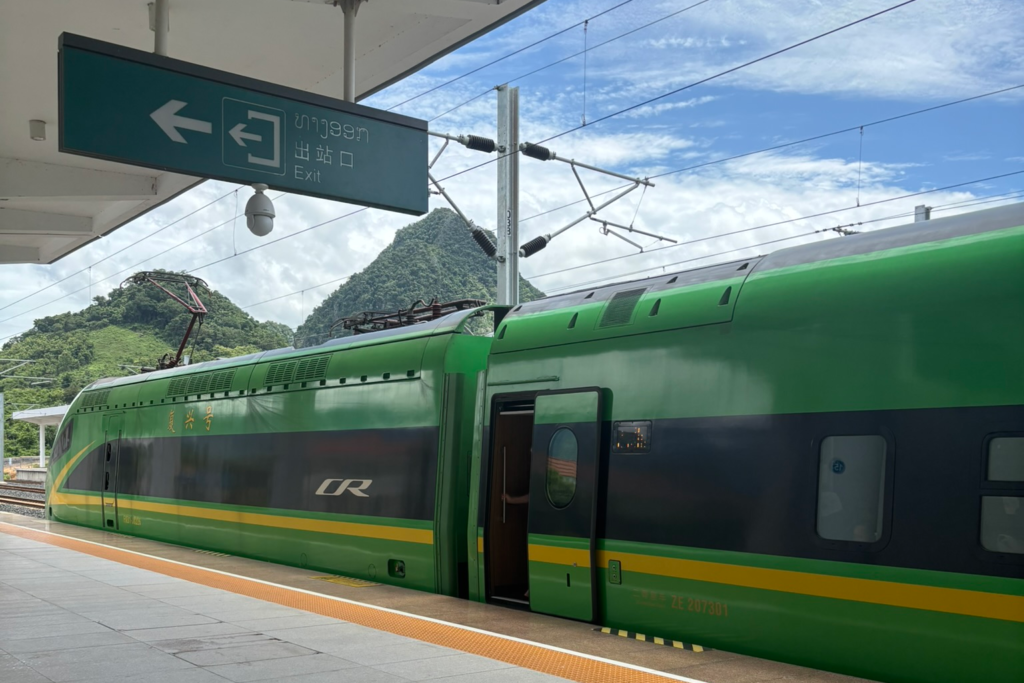
There aren’t any refreshments included, but for a journey of only a few hours, I didn’t really find that an issue. The seats were comfortable, and the train got me to Luang Prabang considerably faster than travelling by road.
Getting from Luang Prabang Station to My Guesthouse
At Luang Prabang Station, there were several shuttle vans waiting outside.
I found one that dropped me directly at my guesthouse, around 12 km away, for 40,000 LAK, roughly 60 THB / $1.90 / ₹175.
Because my guesthouse was so centrally located, I didn’t actually need to use any more transport while I was in Luang Prabang. The weather also had other plans, with Typhoon Wipha passing through during my stay, so my exploring was mostly limited to the main neighbourhoods.
Getting Back to Vientiane
When it was time to leave Luang Prabang, I took another shuttle van back to the station for 50,000 LAK.
And honestly, I would have happily paid more. It was raining heavily, the roads were badly affected by the weather, and I was very grateful that the driver got us safely to the station.
For the return journey, I opted for the C-series High-Speed Train, which takes around 1 hour 45 minutes to 2 hours 15 minutes. My ticket cost 522,000 LAK, roughly 782 THB / $24.50 / ₹2,260.
So, if you’re wondering why my return ticket cost more than the journey there, this was simply because I chose the faster service.
Once I reached the Vientiane LCR station, another shuttle ride to my hostel cost 40,000 LAK.
Getting Around Vientiane
Vientiane was easy enough to explore on foot in the areas I wanted to see. The markets and temples were within walking distance from my hostel, so I didn’t need to spend money on transport for those.
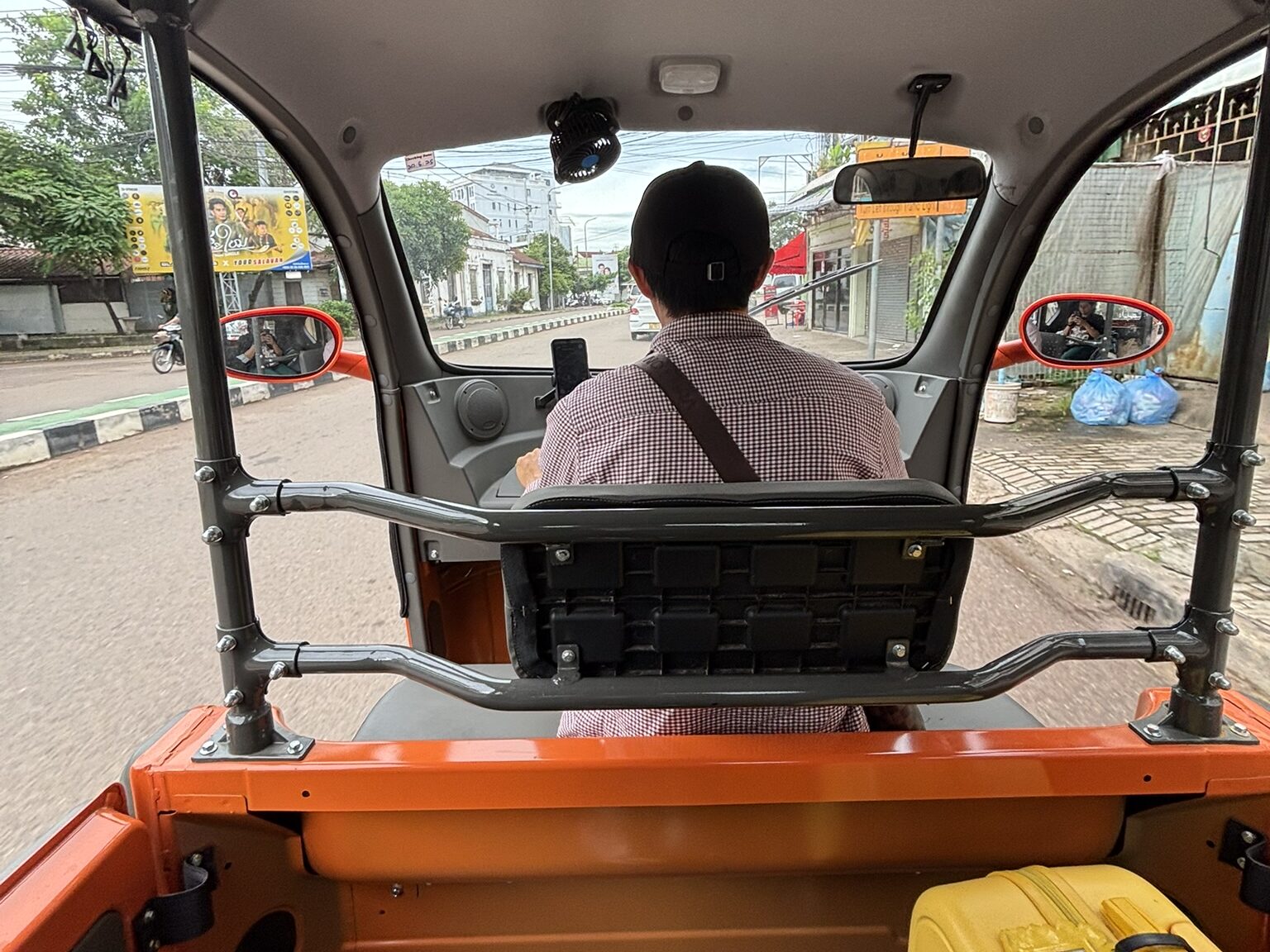
For places further out, I used the Loca app for a few rides. A trip to the COPE Visitor Centre, for example, cost 28,000 LAK each way.
For my final journey to Khamsavath Station to catch my overnight train back to Bangkok, I used the KOKMOVE electric tuk-tuk app. This cost 83,000 LAK, roughly 125 THB / $3.90 / ₹360.
My Total Transport Spend
Altogether, I spent 2,752.65 THB on transport during my week in Laos.
That included the LCR journeys between Vientiane and Luang Prabang, the shuttle transfers between the different railway stations, local rides in Vientiane, and getting back to Khamsavath for my train to Bangkok.
For a week of independent travel, I thought that was a very manageable transport bill, particularly considering how little time I actually spent negotiating fares or figuring out complicated connections.
👉 Also read: Discover the Magic of Slow Travel: 7 Days in Laos
Food in Laos: What I Spent on Food
Food was another area where I found Laos surprisingly easy on the wallet. There were a few exceptions, particularly when I was paying for the setting or a more curated culinary experience, but most everyday meals were inexpensive.
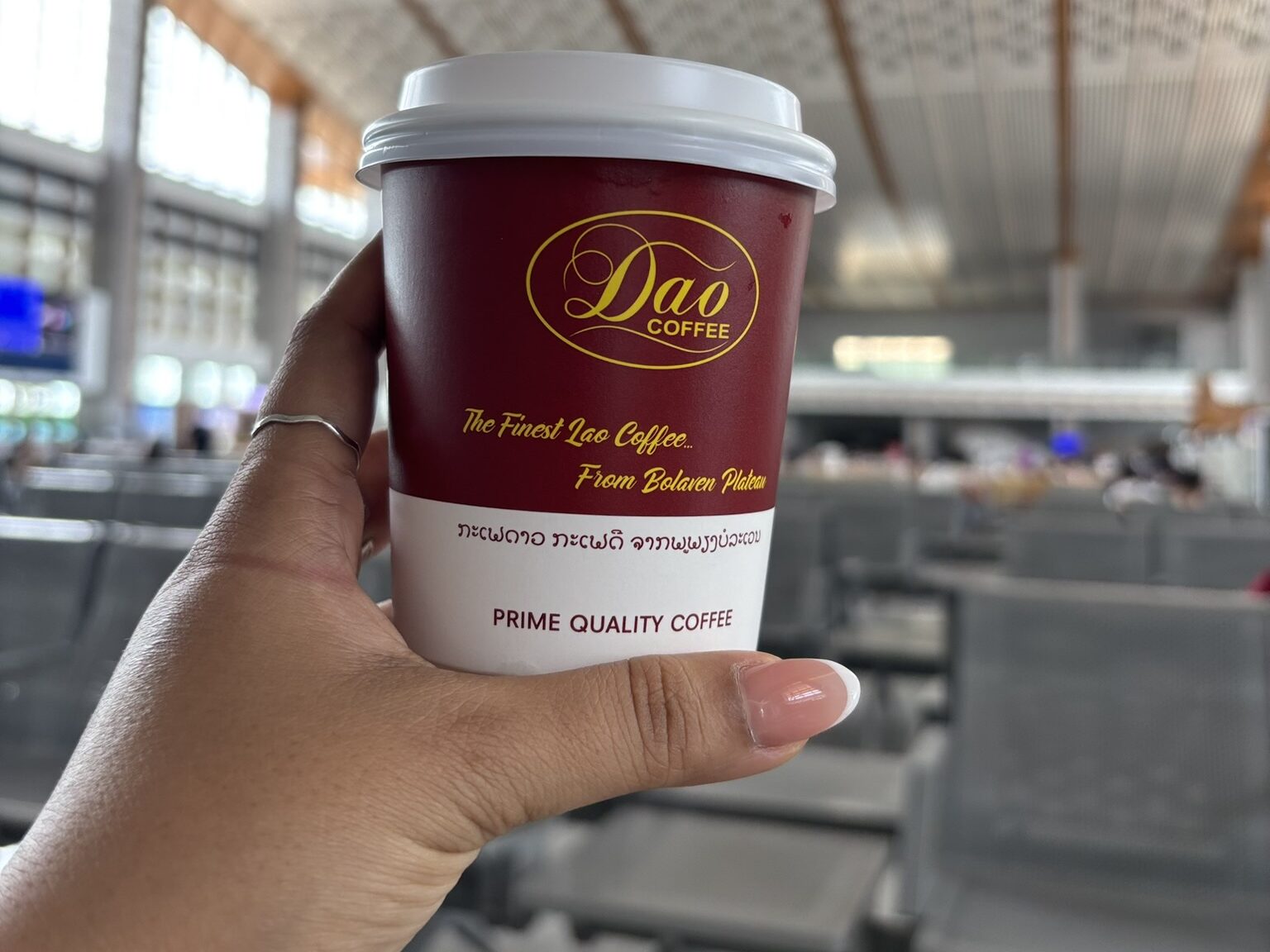
My first meal, a coffee and sandwich at Vientiane LCR station, cost 85,000 LAK, which felt quite steep compared with what I spent afterwards. A filling chicken fried rice with a Coke at a little local restaurant opposite my guesthouse was just 55,000 LAK, while a huge fresh coconut beside the Mekong the following morning cost 30,000 LAK.
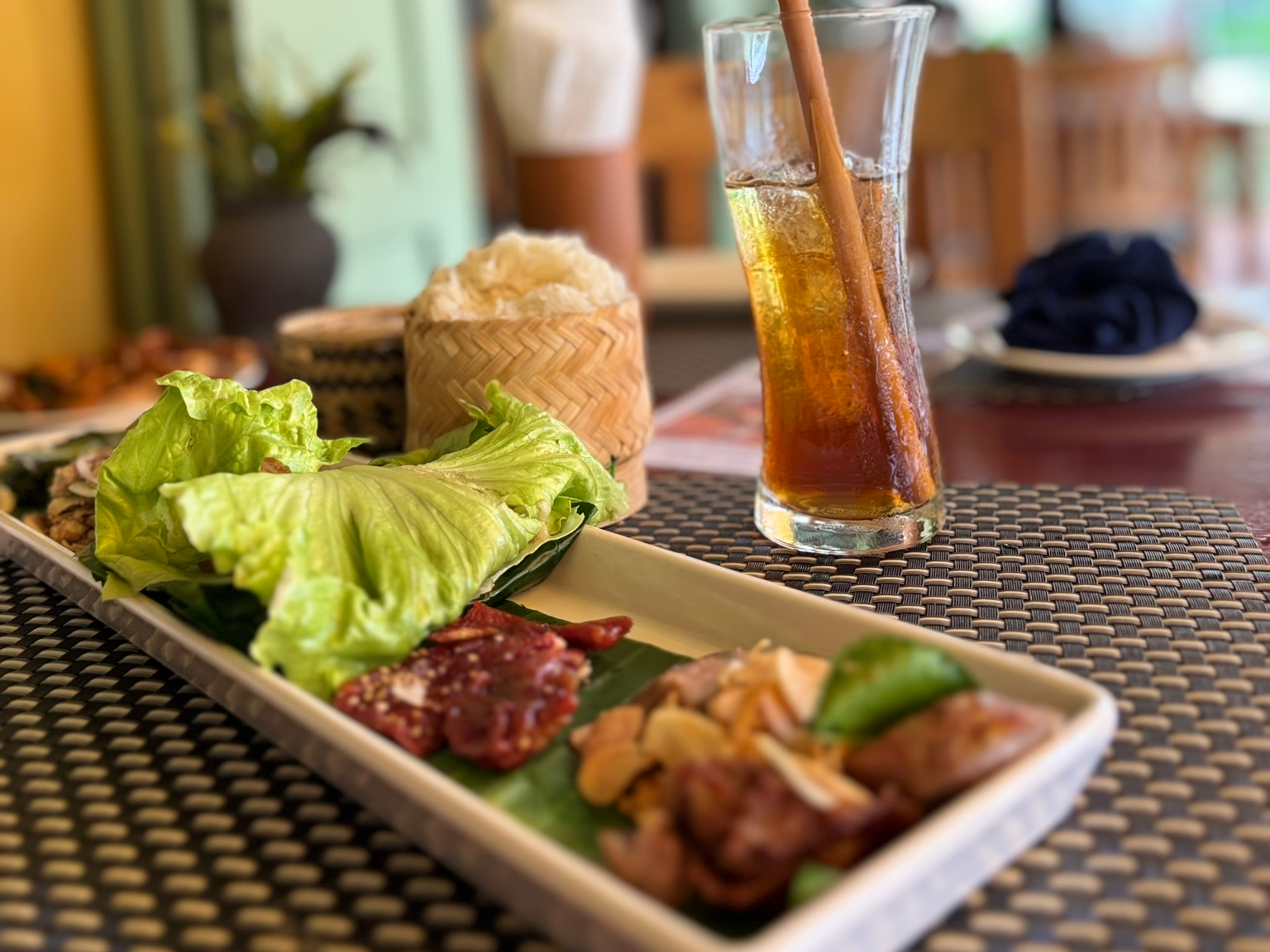
I did spend more on a couple of meals in Luang Prabang, but these were very much about the experience. At Tamarind Restaurant, I paid 200,000 LAK for their Five Bites platter, which introduced me to several local specialities with the added bonus of a server who explained the story behind each one. A Beerlao and chicken wings at 360 Sunset Bar came to around 115,000 LAK, although I was definitely paying partly for that Mekong sunset.
On the cheaper end, I found barbecue skewers for 65,000 LAK, local rice and chicken dishes for around 55,000–80,000 LAK, and meals around the Vientiane night market for roughly 100,000 LAK. And when Typhoon Wipha kept me indoors for most of a day, I happily spent 222,000 LAK at Saffron Coffee on coffee, juice, food and a very long afternoon of writing with free Wi-Fi.
There were a few other meals and coffees along the way, bringing my total food spend to approximately 1,925,006 LAK, or 2,821.77 THB ($88.50 / ₹7,670).
For me, that felt like a very comfortable food budget. I could eat locally and inexpensively most of the time, while still having room for the occasional restaurant meal, riverside drink, or very good cup of coffee.
👉 Also read: How to Perfectly Spend 24 Hours in Vientiane, Laos
Sightseeing in Laos: What I Spent on Attractions
This is probably the least representative part of my Laos budget because Typhoon Wipha completely changed my sightseeing plans.
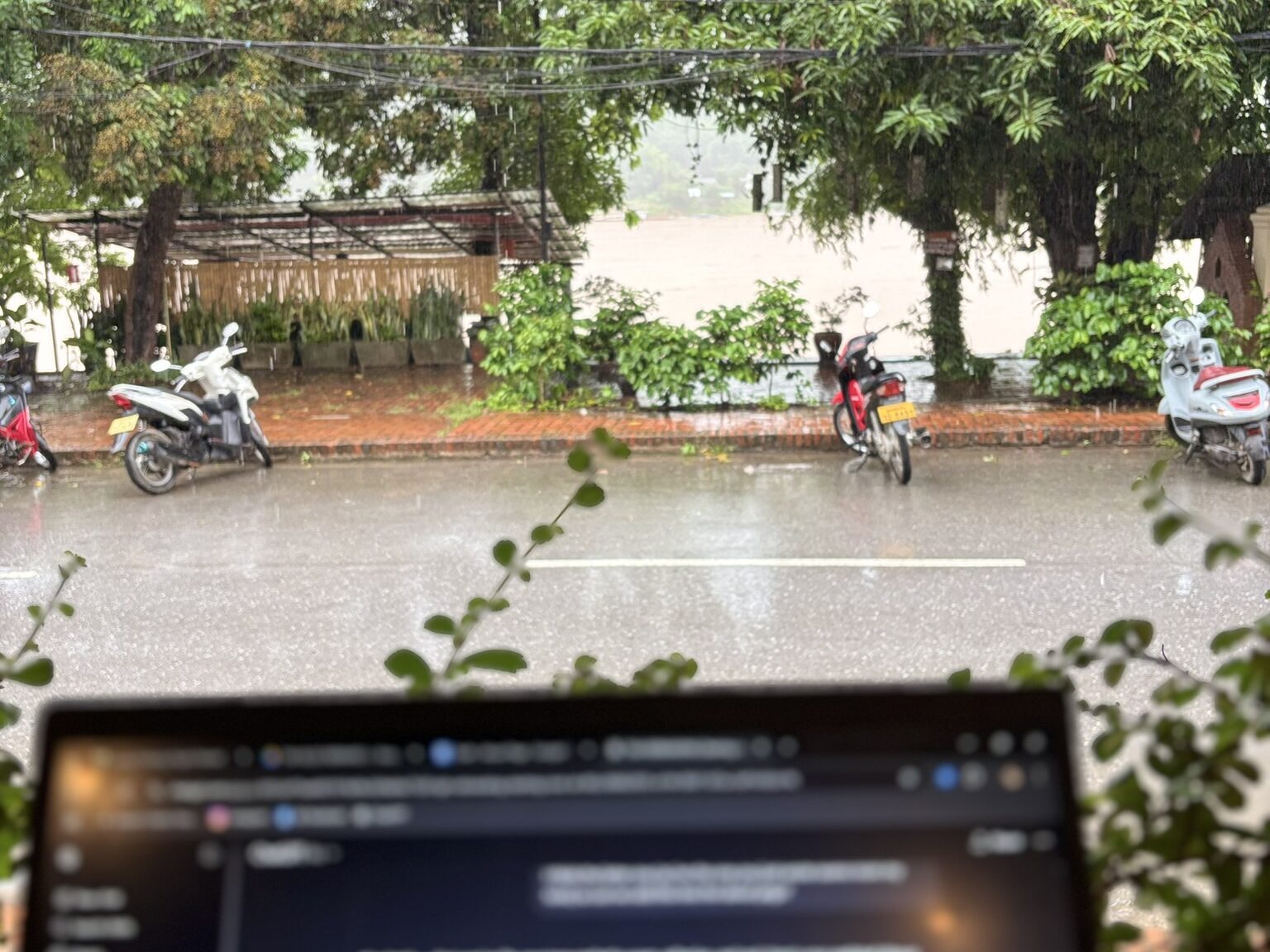
I had originally set aside around 3,000 THB for sightseeing, with a significant portion of that intended for day trips to places such as Kuang Si Falls and the Pak Ou Caves. With the weather making those trips impossible, my actual spending ended up being much lower.
In Luang Prabang, I paid 60,000 LAK to visit the Royal Palace & National Museum, 20,000 LAK to enter Wat Xieng Thong, plus 20,000 LAK for a traditional skirt rental, and another 20,000 LAK at Wat Souvannapoumaram. Several other temples, including Wat Sop Sickharam, Wat Sensoukharam and Wat Si Muang, were free to enter.
I also visited the COPE Visitor Centre in Vientiane, which doesn’t charge an entrance fee. I made a small donation and bought a pen, bringing that visit to 65,000 LAK. Patuxai and That Dam were also free to visit (unless you wanna climb up the Patuxai Monument, in which case you have to pay some fee).
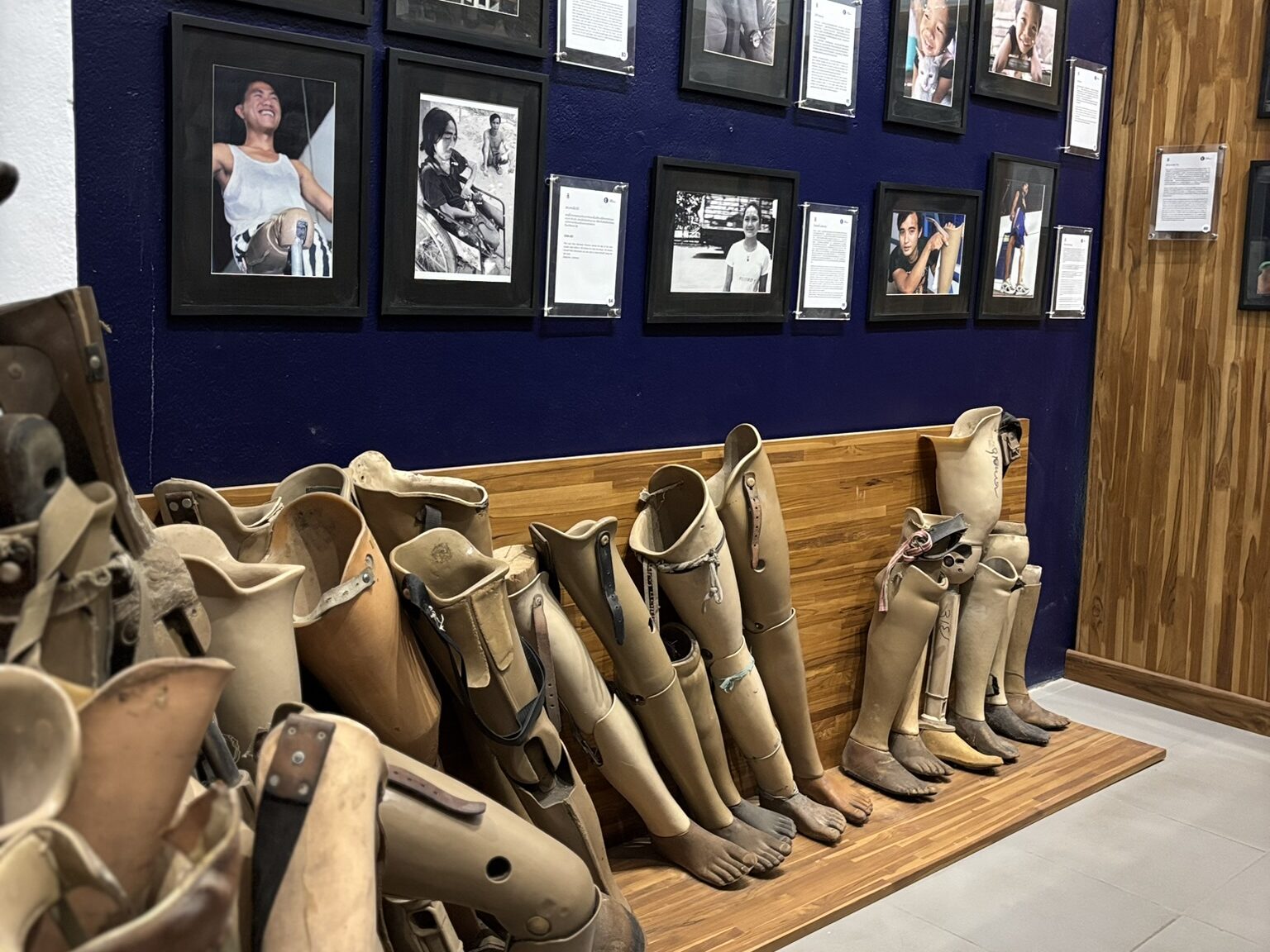
So, my actual sightseeing spend was 165,000 LAK, roughly 242 THB / $7.60 / ₹660. If you exclude the voluntary donation and pen purchase at COPE, the entrance fees themselves came to just 100,000 LAK, roughly 147 THB / $4.60 / ₹400.
Had the weather cooperated, I would have budgeted considerably more. For someone planning a similar trip, I’d recommend setting aside around 3,000 THB ($94 / ₹8,100) for sightseeing and day trips rather than using my actual figure as a guide. My low total was very much a result of the typhoon, not because there aren’t plenty of things worth spending money on in Laos.
👉 Also read: Luang Prabang: The Complete Travel Guide for Solo Travelers
Shopping in Laos: What I Spent on Souvenirs & Extras
Shopping is always going to make its way into my travel budget. I tend to look for the little things that remind me of a place, whether that’s postcards, magnets, keychains or something small to take home for my family.
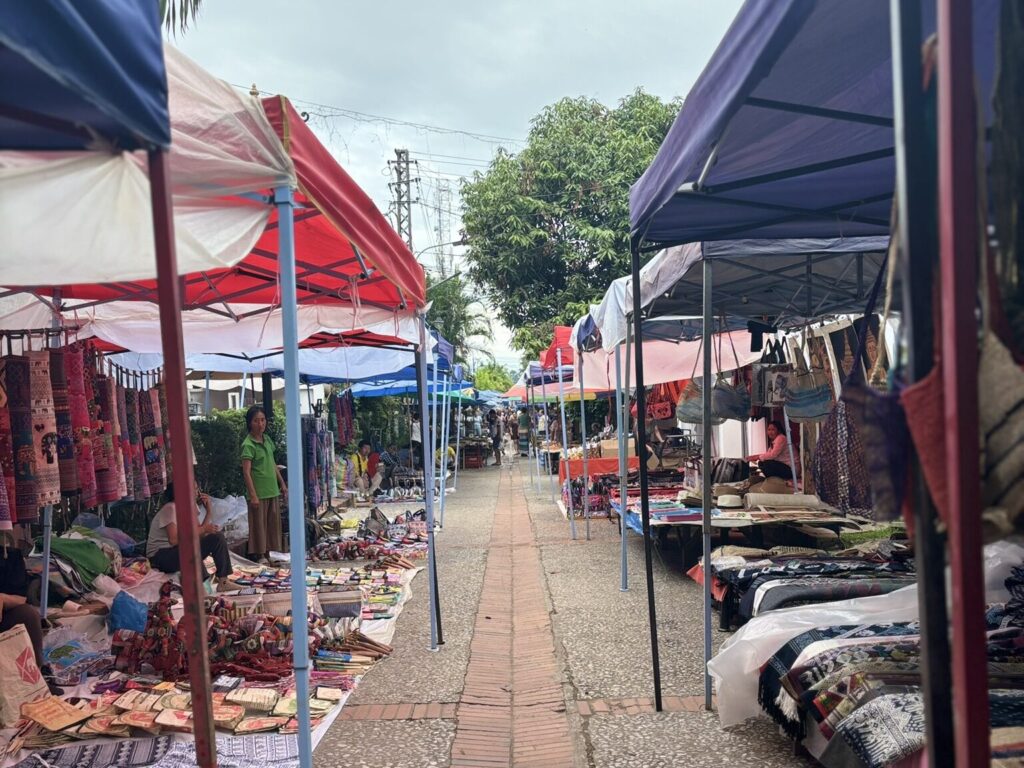
In Laos, I picked up a few pouches and coin purses, magnets and small souvenirs at the morning market for around 120,000 LAK. I also bought a few Laos postcards for around 62,000 LAK in total.
I found a couple of T-shirts for my nephew and a keychain at a boutique handmade shop for 325,000 LAK, then picked up some more clothes for him at the night market for 145,000 LAK. I also bought a bag for my mum for 100,000 LAK, a Laos flag patch for 30,000 LAK and a couple of crochet headbands for my sister and me for 60,000 LAK.
All told, my shopping spend came to approximately 1,011,000 LAK, or 1,480.91 THB ($46.40 / ₹4,030).
For me, this felt like a fairly typical amount to spend on the little things I like bringing home from a trip. If you enjoy browsing local markets and picking up gifts or souvenirs, I’d probably leave a little room in your Laos travel budget for it.
Final Thoughts: Is Laos Worth It?
If you asked me whether you should go to Laos, I would definitely say yes!
Not because it has the biggest sights in Southeast Asia or because you can fill a week with one famous attraction after another. Laos has a quieter kind of appeal. It is the sort of place where a morning can disappear beside the Mekong with a coffee and a fresh coconut, where wandering through a handful of temples can feel like enough of a plan, and where an afternoon spent watching the rain from a café can become one of the memories you take home.
I also loved how uncomplicated it felt to travel through. The trains were easy, the distances were manageable and I never felt like I was constantly trying to work out the next move. Even when Typhoon Wipha changed almost every plan I had made, Laos somehow made it easy to slow down rather than feel like I was missing out.
Would I go back? Absolutely. And next time, I’d like to see the places the weather kept from me, particularly Kuang Si Falls and the Pak Ou Caves. But I wouldn’t change the slower pace of this trip.
And then there is the practical side: Laos is remarkably cost-effective for this kind of travel. You don’t need a huge budget to have a comfortable, interesting week here, which makes it an especially appealing choice if you want Southeast Asia without constantly watching every baht leave your wallet.
For me, though, that’s a bonus rather than the reason I’d send you there. I’d go back for the feeling of the place.
A Quick Note Before You Go
There are trips where you come home with a camera roll full of places, and then there are trips where you come home remembering how a place made you feel. Laos was a little bit of both for me.
I went there expecting a fairly simple week away and came back with a much softer impression of Southeast Asia. Maybe it was the slow mornings, the Mekong, the temples, the little cafés or the fact that even a typhoon couldn’t completely ruin my plans. There was something about Laos that made me feel like I didn’t need to rush to get the most out of it.
For anyone planning their own trip, I hope this budget breakdown has given you a realistic starting point. I also have a full Laos collection to help you plan, from getting the train and sorting out your visa to building a slower itinerary through the country.
Beyond Laos, you’ll find similar budget guides and itineraries for Uzbekistan, as well as plenty of stories and practical guides about Thailand. Since I live here, I keep writing about the country from different angles, from slow travel and itineraries to the realities of everyday life, so there’s always something new to discover.
My newsletter goes out every Tuesday with new travel guides, stories and reflections from the road. It’s the easiest way to keep up without having to remember to check back. I’m also on Instagram, where I share the smaller moments of travel that don’t always make it into the blog.
And if you’ve been to Laos, I’d love to know what stayed with you after you came home. If it’s still sitting somewhere on your travel list, I hope you get the chance to see it for yourself.
Sometimes the places that ask the least from you end up giving you the most.