Note: This post contains affiliate links. If you book through them, I may earn a small commission at no extra cost to you. I only recommend things I have personally used or genuinely believe in.
I arrived in Tashkent in the middle of the night on a three-hour flight from New Delhi. It was the beginning of April, so Delhi had already started to feel warm, but the first thing I noticed as my best friend and I stepped out of Islam Karimov Tashkent International Airport was how cool the Tashkent air felt. Now, before you start judging me for writing about solo travel in Tashkent when, as a matter of fact, I wasn’t travelling solo, let me explain.
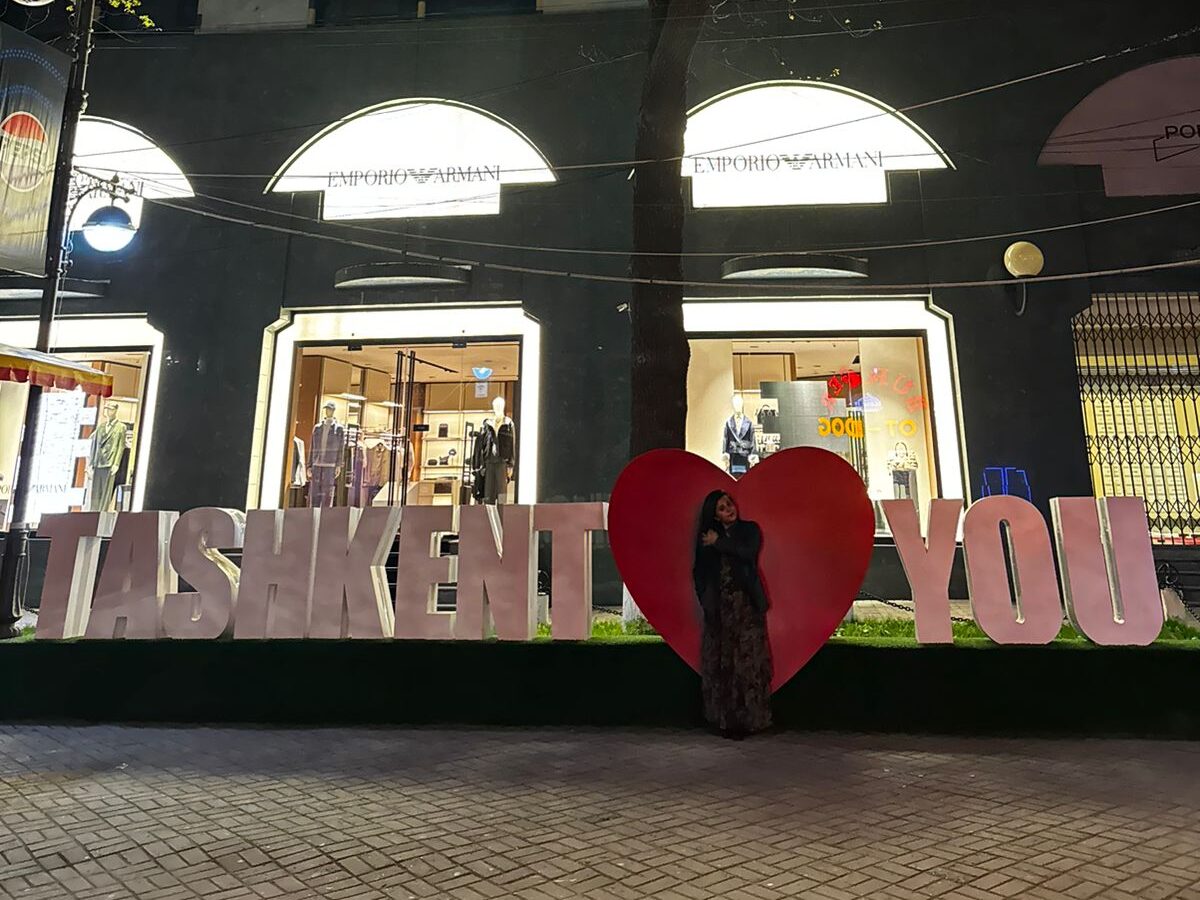
I wasn’t travelling by myself. However, I don’t think anything about my experience would have felt particularly different if I had been alone. And that, more than anything, is why I feel comfortable telling you that Tashkent is a city you can absolutely explore by yourself. Having someone beside me didn’t change the things that matter when you’re travelling alone. I still had to navigate an unfamiliar city, figure out the transport, make decisions about where to go, and move through Tashkent without feeling like I needed someone else to make the city easier for me.
Samarkand has its monumental blue-tiled architecture. Bukhara has its atmospheric old city. Tashkent is different. It is modern, sprawling and unexpectedly green, with Soviet-era architecture sitting alongside polished cafés, neighbourhood markets and one of the most beautiful metro systems I’ve ever travelled through.
After travelling through Uzbekistan, I came away thinking that Tashkent might just be the city that deserves a little more of your time, particularly if you are looking for a place where travelling alone feels straightforward without feeling uneventful.
👉 Must-read: 8-Day Uzbekistan Itinerary For First-Time Travellers
Solo Travel in Tashkent: Quick FAQs
How many days do you need in Tashkent?
I spent two days in the city and, honestly, I wish I had spent a couple more. There is so much to do and see here that rushing through Tashkent or treating it simply as a gateway to the more prominent cities of Uzbekistan would be a mistake. If you enjoy exploring at a slower pace, I would give yourself at least three days.
Is Tashkent safe for solo female travellers?
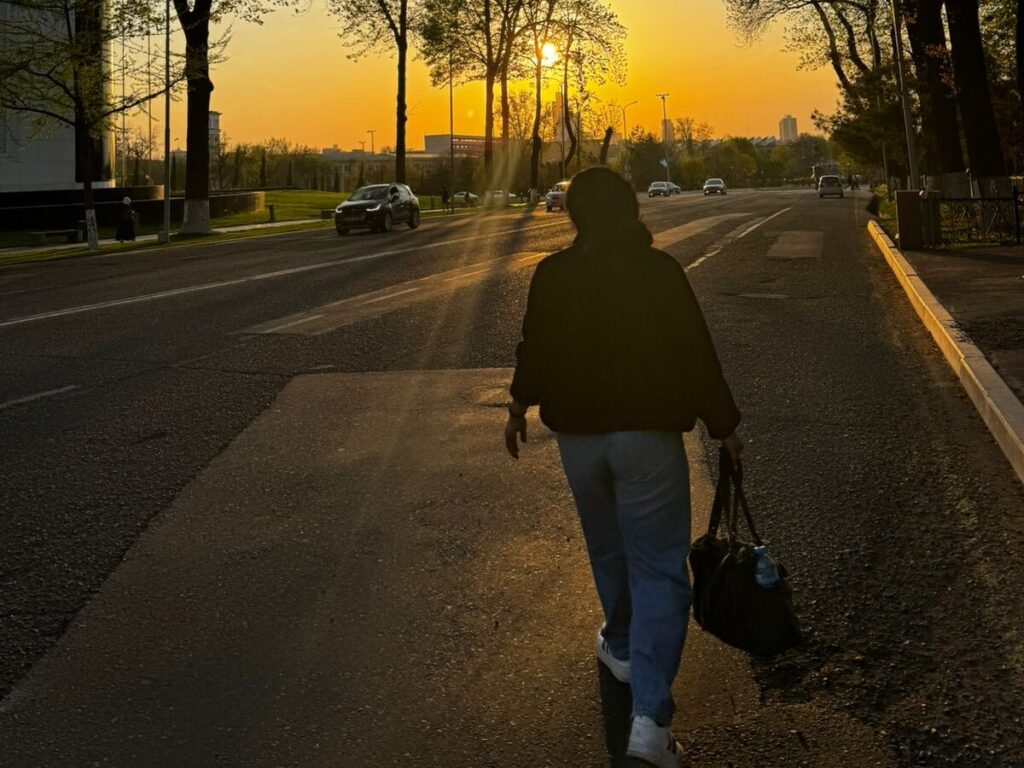
In my experience, Tashkent felt very safe at all times of the day. I was never made to feel uncomfortable while exploring the city. That said, travelling alone always requires a sensible level of awareness. I would take the same basic precautions here that I would anywhere else: keep an eye on your belongings, be aware of your surroundings and use your judgement, particularly late at night.
Is Tashkent safe to walk around at night alone?
My best friend and I strolled around Broadway Street at around 1 AM and found it absolutely fine. Would I necessarily do the same thing alone? Probably not. Not because I felt that Tashkent was unsafe, but because there is a difference between feeling comfortable in a city and taking unnecessary risks simply because you can. I’d happily walk around in the evening alone, but I’d still use common sense about how late I stayed out.
Is Tashkent easy to get around?
Yes. Tashkent is not only easy to get around but also inexpensive. The underground metro is one of the best ways to travel around the city, although you may want to translate the station names beforehand, as signage is mostly in Uzbek or Russian. If you stay centrally, many places of interest are also easily walkable. And when you need a taxi, Yandex Go is widely available and extremely affordable.
Where should I stay in Tashkent?
As a first-time traveller, I recommend staying in the city centre, around Amir Temur Square and Tashkent City. This area worked particularly well for me because it felt clean, lively and comfortable for walking between museums, cafés and restaurants into the evening. For solo travellers, I would prioritise a central location with easy access to public transport rather than choosing accommodation purely on price.
How do you get from Tashkent to Samarkand/Bukhara?
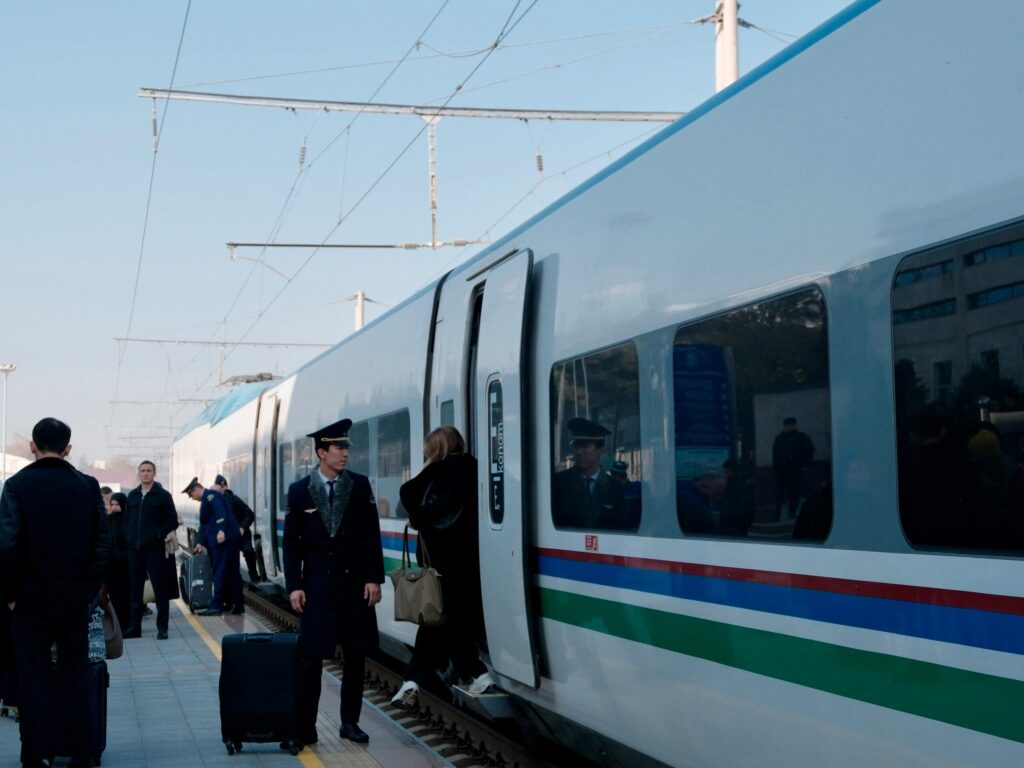
The easiest way to travel between Tashkent and many of Uzbekistan’s major cities is by Afrosiyob high-speed train. The journey to Samarkand takes around 2.5 hours, while the journey to Bukhara takes around four hours, with the train continuing through Samarkand. I have written about the full experience, from booking the tickets to taking the trains across Uzbekistan, in my Afrosiyob train guide.
Is solo travel in Tashkent Expensive?
No. I found Tashkent, like the rest of Uzbekistan, remarkably affordable for independent travel. Accommodation, transport, food, and sightseeing can all be managed on a relatively modest budget, particularly if you are comfortable organising things yourself rather than relying on tours. I have broken down exactly what I spent during my Uzbekistan trip in my Uzbekistan travel budget breakdown.
Getting In and Around Tashkent
We arrived in Tashkent close to midnight, so navigating the local transport system was never really an option. I had already downloaded Yandex Go, but when we stepped outside the airport, a few taxi drivers approached us with fares that were almost identical to what we would have paid through the app. Since they were there and ready to take us, we simply went with one of them.
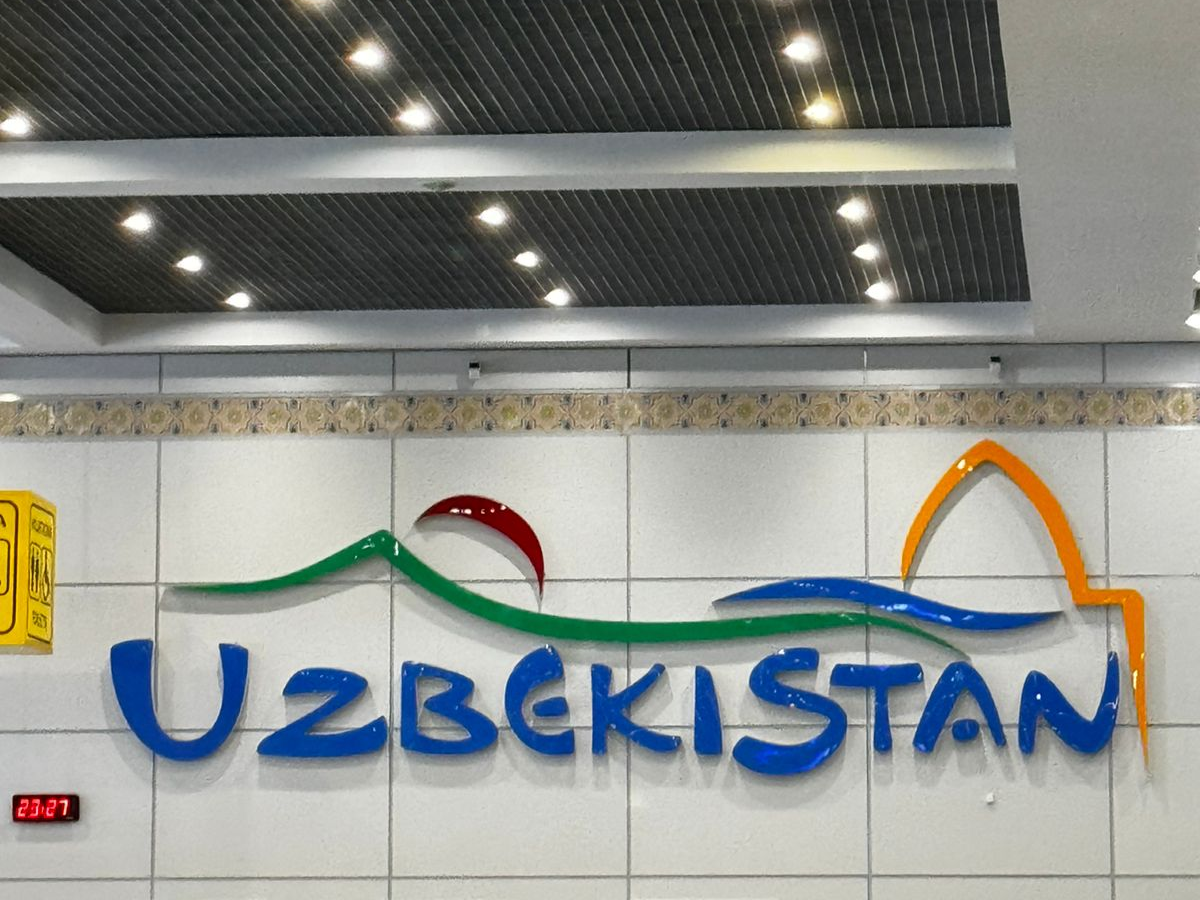
For most of our stay, though, Yandex Go was our go-to. The prices were remarkably low, especially when split between two people, and we never had any trouble using the app. We also stayed close to the city centre, which meant that quite a few places were easily walkable.
The whole experience was surprisingly straightforward. Neither of us spoke a word of Uzbek or Russian, but we never found the language barrier particularly difficult to navigate.
And then, on our final day in Uzbekistan, we returned to Tashkent for one last day of exploring before our flight home. We happened to get into a taxi with possibly the friendliest driver of the entire trip, who spent half the journey happily grooving along with us to Shava Shava. It was a small, completely unexpected moment, but it felt like a fitting final memory of a city that had been so easy to navigate from the beginning.
👉 Must-read: How Easy Is the Afrosiyob Train in Uzbekistan?
Where to Stay in Tashkent
My stay in Tashkent was split into two parts: one night when we first arrived in Uzbekistan, before taking the train to Samarkand, and another full day at the end of the trip before flying back to India.
For the first night, we stayed at Ridon Lux Hotel, which was conveniently located between the airport and railway station. It wasn’t particularly close to the city centre, but Amir Temur Square was only about a 15-minute taxi ride away, making it a practical choice for an early train the next morning. The hotel doesn’t appear to be operating anymore, so I wouldn’t recommend it specifically.
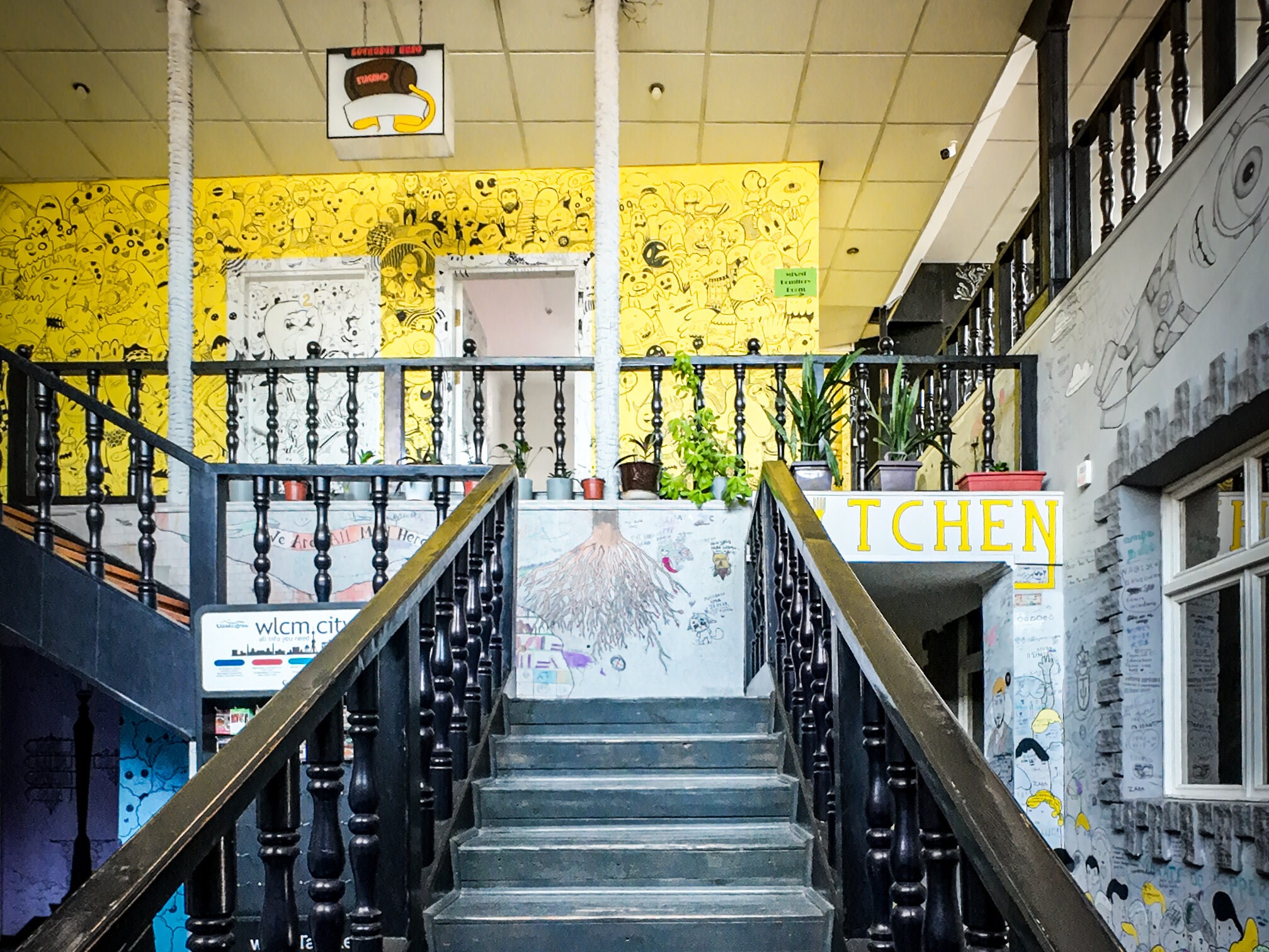
On our return to Tashkent, we stayed at Topchan Hostel in the Mirobod area. Again, it wasn’t right in the city centre, but the location worked well for Amir Temur Square, and it was around a 10-minute taxi ride away. Topchan is a sociable hostel with travellers from all over the world, plenty of common spaces, and private rooms with shared bathrooms if you don’t want to share a dorm.
Because I wasn’t travelling alone, I was happy to stay slightly farther out in exchange for better rates. If I were travelling solo, however, I’d choose somewhere around the city centre, particularly near Amir Temur Square. Being within easy reach of cafés, supermarkets and public transport would be a priority for me, while still choosing a neighbourhood that doesn’t feel overwhelmingly crowded.
Seeing Tashkent Beyond the Obvious
If there is one thing I would tell you before exploring Tashkent, it is not to treat the city like a checklist. There are certainly enough landmarks to fill an itinerary, but some of my favourite parts of the city came from simply moving through it and paying attention to what was happening around me.
Going Underground in Tashkent
One of the things that surprised me about Tashkent was how much of the city’s history exists underground. The Tashkent Metro was built during the Soviet period, and its stations are far more elaborate than you might expect from a public transport system. Each one has its own design, with mosaics, chandeliers, columns, and decorative details reflecting different themes. Stations such as Kosmonavtlar, Alisher Navoi and Mustaqillik Maydoni are particularly striking, and getting off the train becomes almost as interesting as the journey itself.
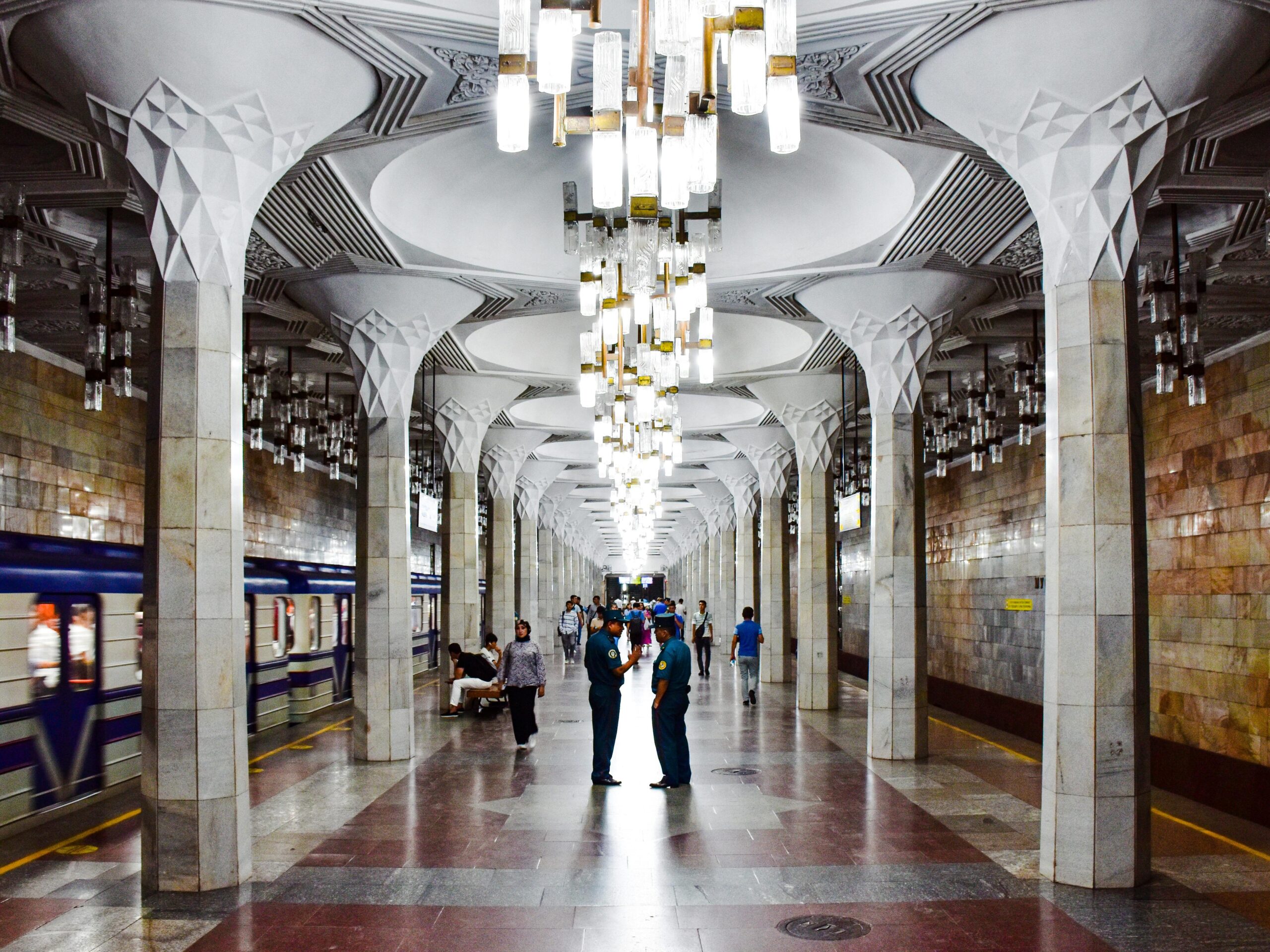
I found this particularly interesting because it gave me another way of seeing Tashkent. Above ground, the city feels modern and increasingly contemporary. Underground, you suddenly find yourself surrounded by another chapter of its history.
Amir Temur Square and Broadway Street
Amir Temur Square is probably the most recognisable landmark in central Tashkent, and it is a good place to start getting a feel for the city. The square itself is spacious and surrounded by some of the city’s grander buildings, with the statue of Amir Temur standing at its centre. But what I remember most is the contrast between the scale of the area and the everyday life happening around it. Tashkent felt much more open and spread out than Samarkand or Bukhara, and spending time around the square made that particularly noticeable.
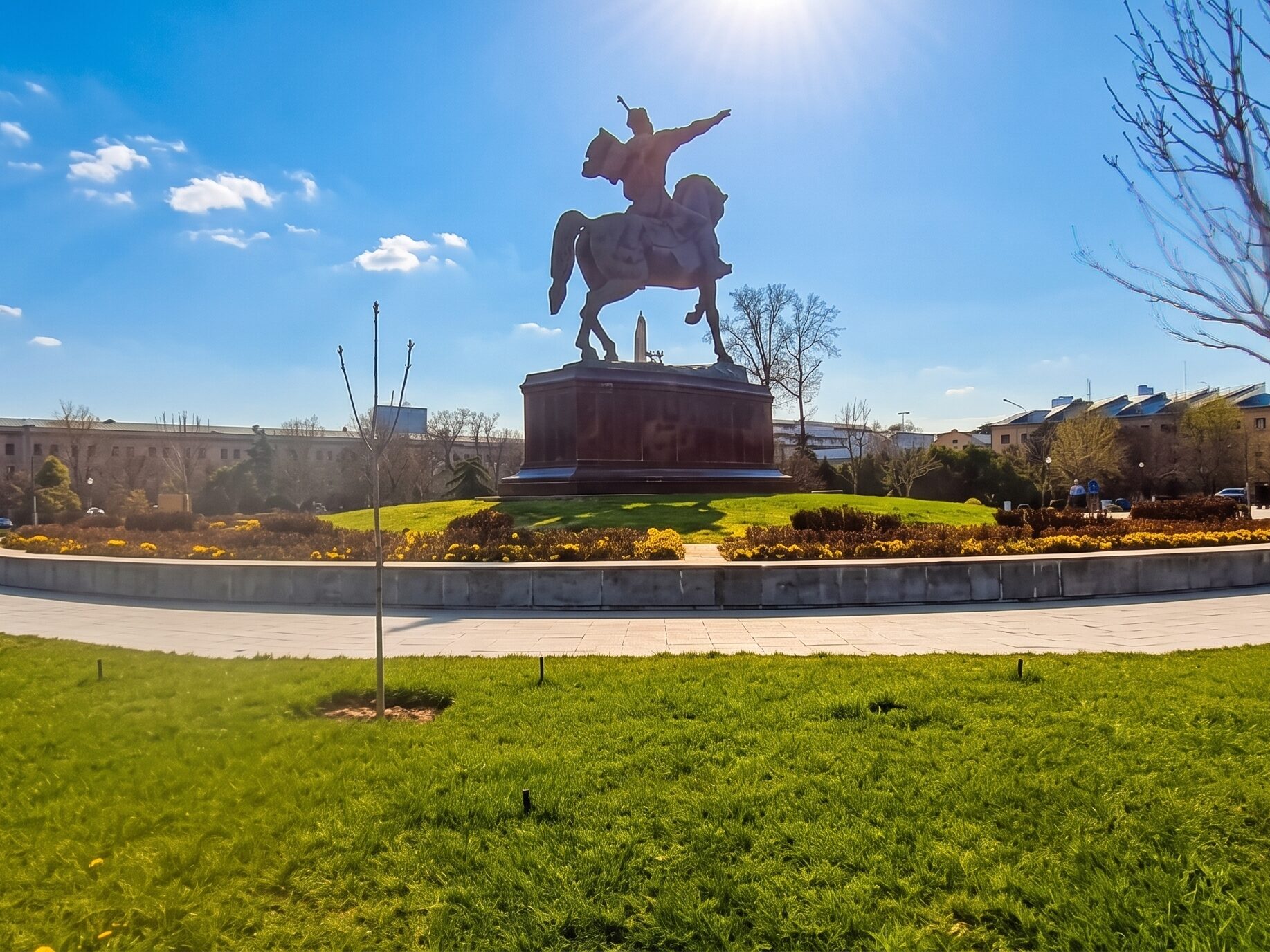
From there, Broadway Street leads towards Independence Square and has a completely different atmosphere. There are cafés, shops, and people simply out enjoying the city, particularly later in the evening. We actually found ourselves wandering around Broadway Street at around 1 AM, when the area was still lively with families and groups of friends. Nobody seemed particularly interested in us, which I actually appreciated. We were simply two more people walking around the city.
Chorsu Bazaar and Everyday Tashkent
Chorsu Bazaar was probably one of the places where I felt most connected to everyday life in Tashkent. It is a working market rather than a carefully preserved attraction, and walking through it means sharing the space with people who are there to buy their groceries, pick up ingredients, and get on with their day.
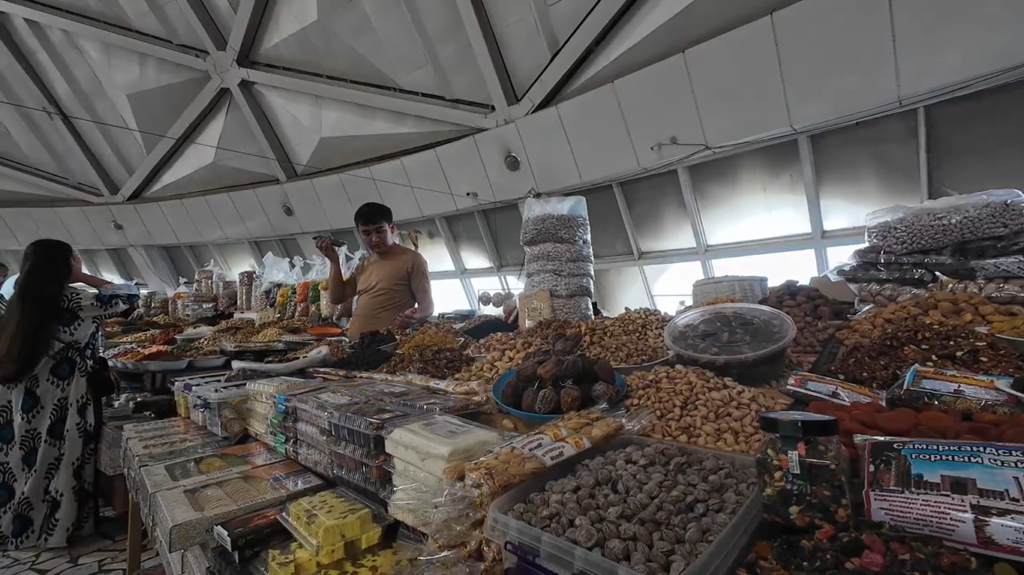
The market is enormous, and there is plenty to look at even if you have no intention of buying anything. We eventually ended up at the dried-fruit stalls, where we bought around four kilograms of pistachios, almonds, raisins and dried apricots. The whole lot cost us about 330,000 Som, or roughly ₹2,000 at the time. I don’t think I needed four kilograms of dried fruit. But then again, I can’t say I regretted it either.
What I liked about Chorsu was that it didn’t feel as though it existed solely for visitors. You could shop, eat, browse, or simply walk around and watch the market doing what markets do. For me, that was much more interesting than being taken from one photogenic attraction to the next.
If I Had One More Day in Tashkent
I only had two full days in Tashkent, and there are a few places I would have added if I’d had another.
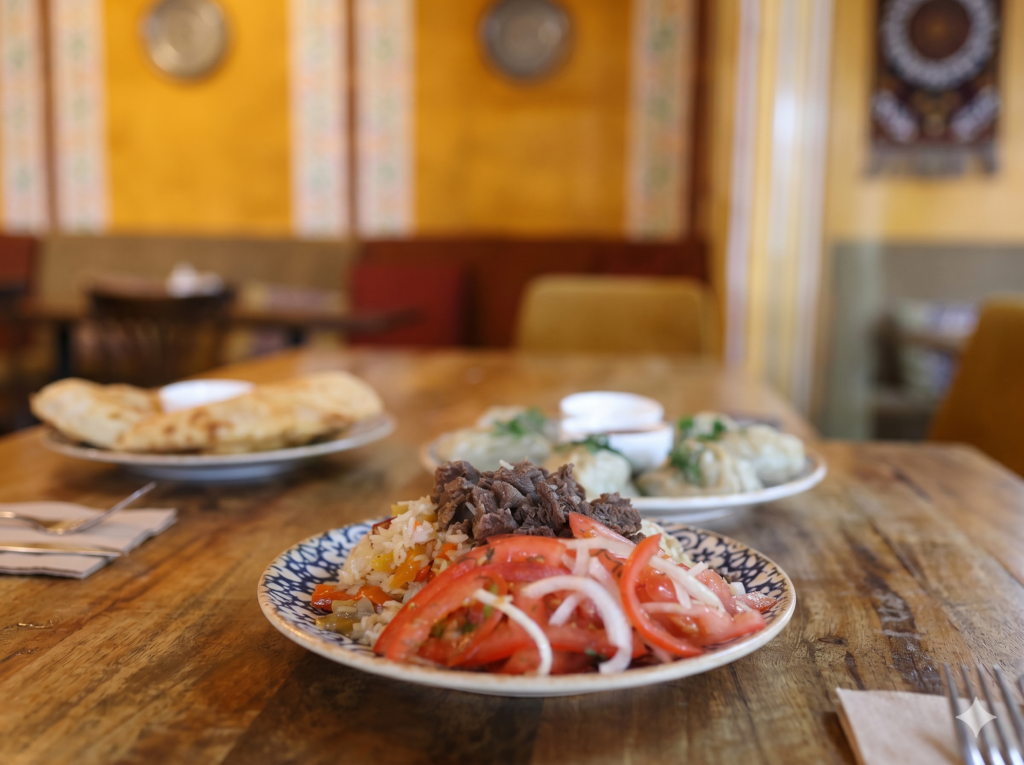
Besh Qozon, also known as the Plov Center, would have been high on my list. I would have liked to stop there for lunch and watch the enormous cauldrons of traditional Uzbek plov being cooked on a scale that feeds hundreds of people each day. After eating plov in Uzbekistan, seeing it being prepared like that would have been a particularly fitting addition to the trip.
I would also have made time for the Hazrati Imam Complex, one of the city’s important religious and cultural sites. Rather than rushing through it, I would have liked to give myself enough time to explore the surrounding area and take in another side of Tashkent’s history.
And honestly, I probably would have done a little more of what I had already started doing: wandering, finding somewhere to sit, having a long lunch and allowing the day to unfold without worrying about what I was supposed to see next. With another day, I wouldn’t have wanted a longer checklist. I would simply have wanted more time to experience the city.
Is Tashkent Worth Visiting?
Yes. After travelling through Uzbekistan, I would actually urge you to give Tashkent more time than you might initially plan for.
Samarkand and Bukhara are essentially traditional Uzbekistan through and through. There is something almost dreamlike about walking through their Silk Road architecture, and there were moments when I genuinely felt as though I had wandered into an Arabian Nights fantasy.
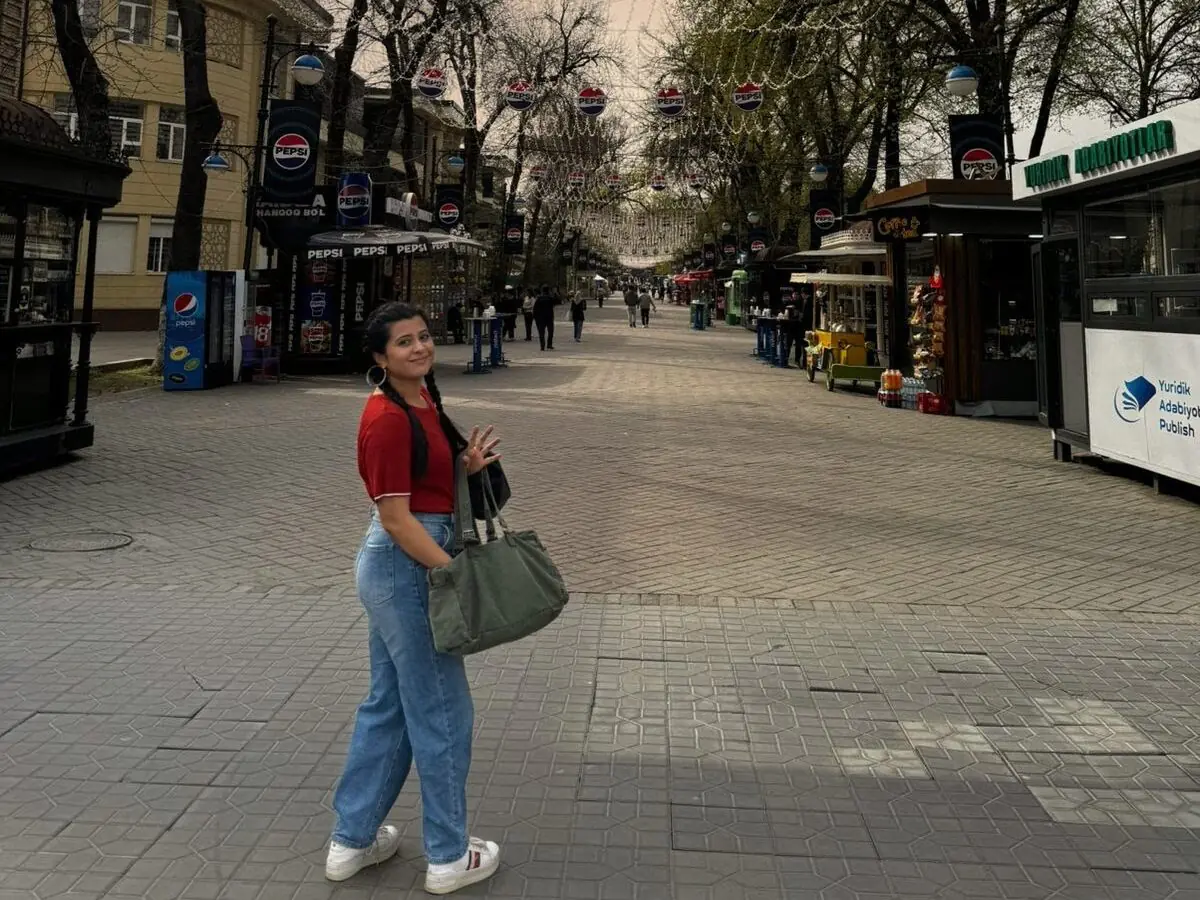
Tashkent felt different. It still carries those layers of history, from the Silk Road to its Soviet past, but it also gives you a glimpse of the country’s modern identity. There are contemporary buildings, polished cafés, and all the conveniences you would expect from a capital, but it doesn’t feel as though Tashkent is trying to imitate the rest of the world. It is modernising while still moving at its own pace, and I found that quite refreshing.
The city also felt much more lived in. I noticed everyday life in Samarkand and Bukhara too, but there I always felt like a visitor. In Tashkent, people were simply getting on with their day around me. Cafés were busy, streets were being used for ordinary life and I never felt as though anything was pausing to make way for tourists. Somehow, that made me feel more included.
I spent just two full days in Tashkent and genuinely wish I had stayed longer. If you are travelling through Uzbekistan, I would give the city at least three full days, if not more. I would have loved to sit in a café or a park and simply watch life pass by, as well as having enough time to visit some of the places I missed.
Who Is Tashkent For (and Who Is It Not For)?
I think Tashkent is particularly well suited to travellers who enjoy food, culture, architecture and history, but who also like leaving some space in their day to simply experience a place. If you are happy wandering without a strict itinerary, stopping for coffee, sitting in a park or watching everyday life unfold around you, I think you will enjoy it.
It may not be the right fit if you are looking for a fast-paced city break built around nightlife, constant activity and ticking off attractions. Tashkent, and Uzbekistan more broadly, rewards a slower approach.
A Quick Note Before You Go
I think one of the strange things about travel is that you don’t always understand a place while you are actually there. When you’re travelling, your senses are doing most of the work. You are looking at things, tasting new food, listening to unfamiliar languages, figuring out trains and taxis, getting lost, finding your way again, and trying to take in everything happening around you. There isn’t always much time to stop and make sense of it.
It is often only when you come home that the pieces start to fit together.
That has certainly been the case with Uzbekistan for me. Looking back at my time in Tashkent, Samarkand and Bukhara, I think I understand the country differently now than I did while I was travelling through it. At the time, I was simply moving from one city to another, wandering through old streets, eating far too much pilaf and drinking far too many flavored teas, and trying to see as much as I could in the time I had.
Now, with a little distance from the trip, what stays with me isn’t just the blue tiles of Samarkand or the old streets of Bukhara. It is the contrast between the three cities, the feeling of travelling through a country with such a long history while watching it change in front of me, and all the ordinary little moments that didn’t seem particularly significant at the time.
That is probably why I enjoyed writing this Uzbekistan series so much. Some trips give you photographs and a list of places you visited. Others take a little longer to understand.
If you are planning your own trip to Uzbekistan, you can browse the full Uzbekistan collection here, including my practical guides, itinerary and budget breakdown, as well as my stories from Samarkand and Bukhara. And if you are interested in this slower, more independent way of travelling, you’ll find plenty more in my growing collections from Thailand and Laos, along with my other solo travel and slow travel guides.
If you’d like new posts delivered to your inbox, my newsletter goes out every Tuesday. I also share the quieter moments of travel and everyday life on Instagram, including the things that don’t always make it into a blog post.
And now I’d love to know: has there ever been a place you understood better after you came home than while you were actually travelling through it? Tell me in the comments. And if you know someone planning a trip to Uzbekistan, send this series their way.